
On this page
This page is a map. Route 66 Auto Repair in Upland handles most mechanical, electrical and maintenance work on cars, pickups, SUVs and work vans, and this overview shows which system each problem belongs to so you can read the right page before you call. Every system on the list starts the same way: a test, written findings and a written estimate you approve.
Which vehicle systems do we repair?
- Stopping: pads, rotors, calipers, lines, fluid and ABS (anti-lock brake system) faults, covered under brake services.
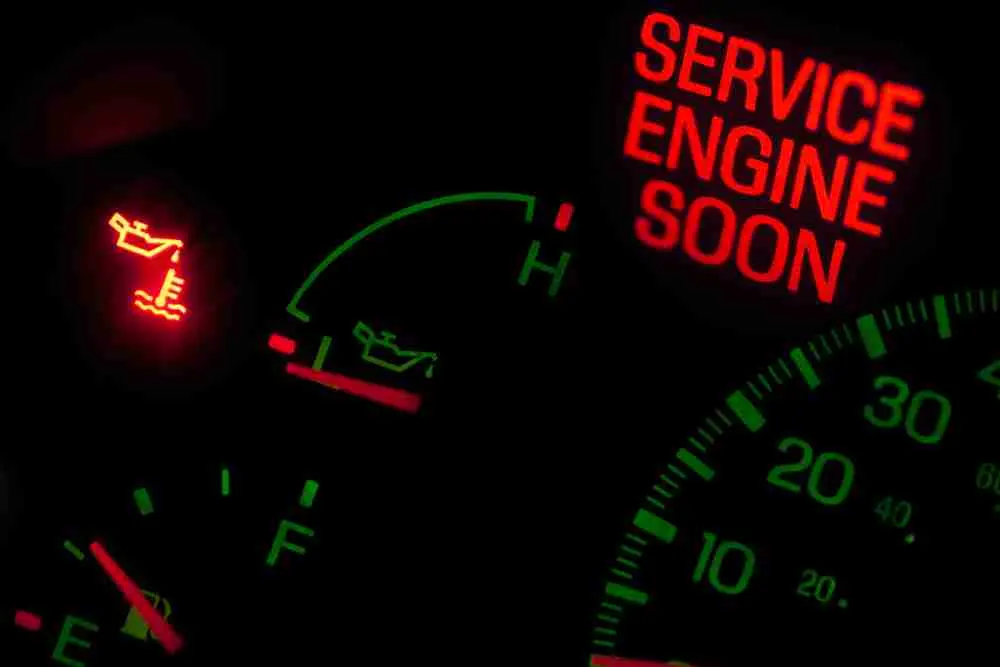
- Engine and drivability: misfires, rough idle, timing parts, fuel delivery and warning lights, covered under engine services.
- Heat management: radiators, water pumps, thermostats, heater cores and AC, covered under cooling, heating and AC.
- Electrical: batteries, starters, alternators, wiring and modules, covered under electrical services.
- Ride and handling: shocks, struts, control arms, tie rods and power steering.
- Power delivery: transmissions, clutches, axles, CV joints and differentials.
- Exhaust, tires, light body and glass: each has its own hub in the menu.
How to use this overview
Start with what you notice, not with a part name. If the car shakes only when braking, that points at the brake hub first. If it shakes at freeway speed with the brakes off, tires and suspension come first.
Not sure where your problem fits? Call and describe it. The hub page on auto repair services has a symptom table that helps too.
How any repair moves through the shop
Step 1: Route the concern
The service writer matches your description to the system that needs testing.
Step 2: Confirm the cause
A technician tests that system after the fee is stated, and records readings on the repair order.
Step 3: Approve by line
You review a written estimate and approve each line, need-now items first.
Step 4: Verify the fix
After the repair, a quality check and a road test confirm the symptom is gone.
What's included whichever system is involved
Included on the work order
- 01System-specific testing matched to your symptom
- 02Findings written on the repair order
- 03Itemized written estimate
- 04Repair to spec with a quality check
- 05Road test before release
Need-now or need-later, by system
Need now: call
- Anything that affects stopping or steering
- Overheating or active fluid leaks near heat
- Charging faults that could strand you
Need later: book
- Comfort items such as a noisy blower
- Cosmetic glass chips outside the driver's view
- Seeps that are not dropping fluid levels
How pricing and timing work across systems
Aftercare
Your invoice lists the work, the warranty terms and any declined items. Bring it on the next visit so the technician can pick up the history. If the original symptom returns, call; comebacks go to the front of the line.
Frequently asked questions
Is there anything you do not work on?
Wheel alignment is arranged rather than done in-house, and hybrid work depends on the vehicle, so tell us at intake. For major structural collision damage, we assess it and explain your options honestly.
What if my problem touches more than one system?
The technician tests each system involved and the estimate shows them as separate lines. That way you can see which fault causes which symptom and approve them in the order that makes sense for safety and budget.
Do I need to know what part is broken before I call?
No. Describe what you see, hear, feel or smell, and when it happens. Finding the part is our job, and it starts with testing after the diagnostic fee is stated at the counter.