
On this page
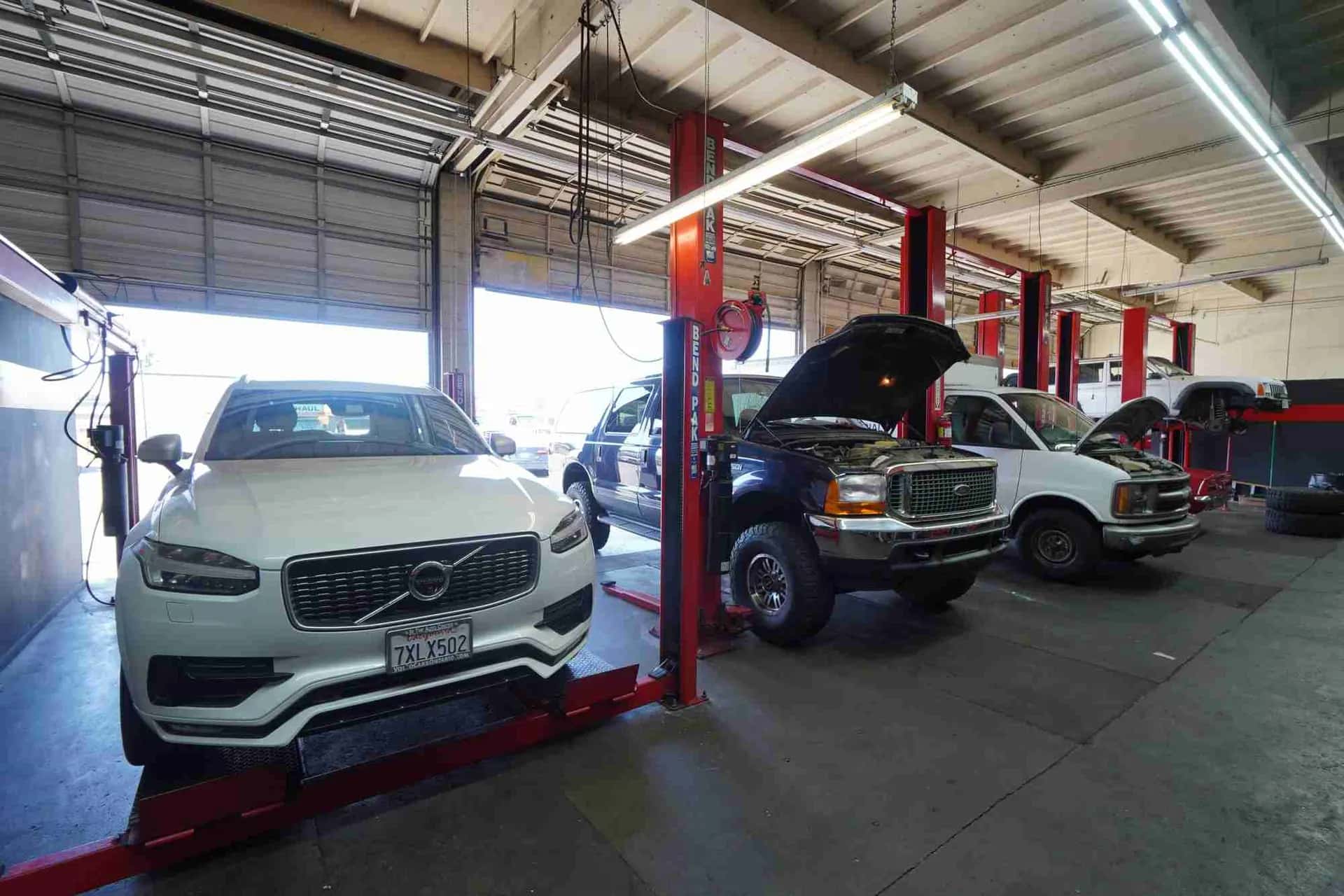
A car that clicks, cranks slowly or dies overnight is an electrical problem, and Route 66 Auto Repair in Upland can find the cause. Our ASE-certified (opens in a new tab) technicians test the battery, cables, starter, alternator and wiring in a set order, so you pay for the failed part and not a guess. You get a written estimate before any work starts. We are on Foothill Blvd at Central Ave, between the I-10 and the 210.
Your car won't start. What do we check first?
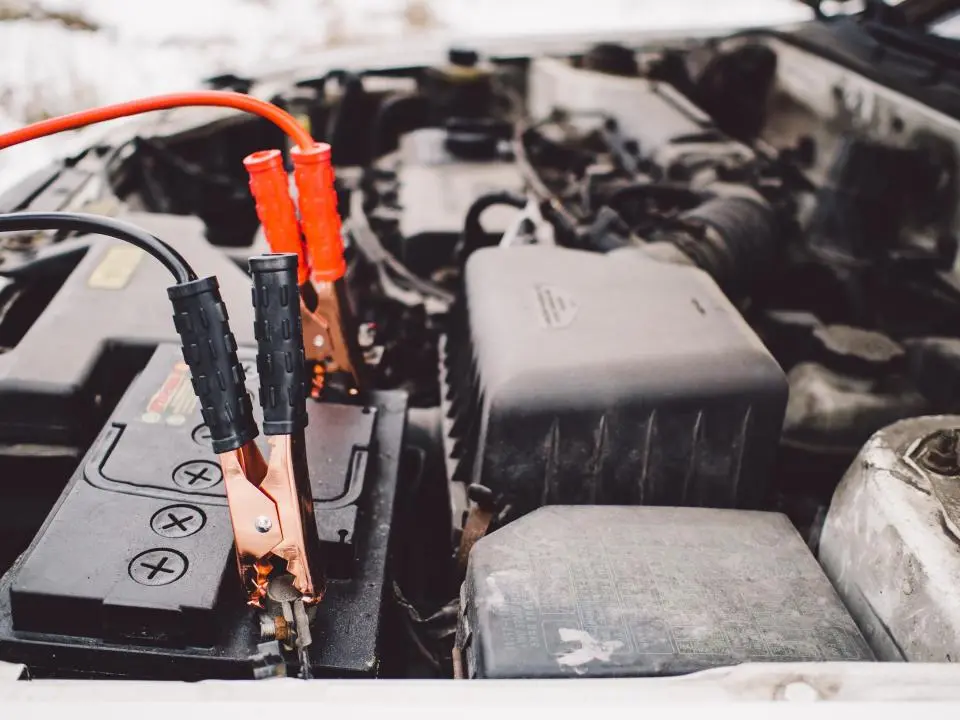
Being stuck in a parking lot with a car that only clicks is stressful, and it is tempting to buy a battery on the spot. Sometimes that works. Often it does not, because five different faults can look the same from the driver's seat. We follow the same order every time, from the cheapest and most common cause to the least common, so the test itself does not become the expensive part.
First, the battery: resting voltage and a load test. Second, the connections: terminals, cable ends and the engine ground, because a loose or corroded clamp can stop a healthy battery from cranking the engine. Third, the starter and its control circuit, including the relay and the signal from the ignition switch. Fourth, fuel and spark, since an engine that cranks at normal speed but never fires has usually left the electrical side behind. Fifth, the immobilizer, the anti-theft system that only lets the engine run with a recognized key. A flashing security light while cranking points straight at it.
If you are stranded right now, read our emergency auto repair page. We accept tow-ins, and there is an after-hours key drop for cars that arrive when the counter is closed.
Battery, alternator or starter: which one is it?
These three parts work as a team, which is why they get blamed for each other. The battery stores power and does the heavy work of starting. The starter turns the engine. The alternator refills the battery once the engine runs and powers everything while you drive. Use this table as a first guess, then let a test settle it.
| Symptom | Likely cause | Test |
|---|---|---|
| Slow, dragging crank, worse on a cold morning | Weak or aging battery, or corroded terminals | Resting voltage, then a load test and a terminal check |
| One loud click, then nothing, with bright dash lights | Starter solenoid or starter motor, or a bad main cable | Voltage drop across the cables while cranking, then starter current draw |
| Rapid clicking and dim dash lights | Battery too low to turn the starter | Charge, then load test; check why it went flat |
| Car starts after a jump, then dies again days later | Battery that no longer holds a charge, or a parasitic drain | Load test and an overnight drain test |
| Battery light on while driving, lights dimming | Alternator, drive belt or charging wire | Charging output under load and a belt inspection |
| Bulbs burning out often, battery hot or smelling of sulfur | Overcharging from a failed voltage regulator | Charging voltage at idle and at higher engine speed |
| Cranks normally but never starts | Fuel, spark or the immobilizer, not the battery | Scan for codes, security status and fuel pressure |
| Grinding or whine during cranking | Starter drive gear or flywheel teeth | Visual inspection and a starter bench check |
What do load testing and voltage drop testing tell us?
A battery can read a normal 12.6 volts at rest and still collapse the moment the starter pulls on it. That is why we load test. The tester pulls a heavy current for a short time, like a starter would, and watches how far the voltage falls. A healthy battery holds up. A tired one sags badly, and on a hot day in the Inland Empire that is the difference between starting at the pump and calling a tow. See battery load testing for how the test runs.
Voltage drop testing looks at the path, not the source. With the engine cranking or the circuit working, the technician measures the voltage lost across a cable, a connector or a ground. A good connection loses almost nothing. A corroded or loose one turns power into heat and leaves too little for the starter or the lights. This test finds the green crust hidden inside a cable jacket that a glance would miss, and it keeps us from replacing a starter that was only starved of current.
Why does your battery die overnight?
If the car starts fine in the evening and is dead by morning, something is draining the battery while it sits. That is called a parasitic drain. A small draw is normal, since the clock, the alarm and the radio memory all need a trickle. The problem is a module that never goes to sleep, a glove box or trunk light that stays on, a sticking relay, or an aftermarket stereo, dash camera or remote starter wired to constant power.
We test it with an ammeter in series with the battery, then wait for the car's computers to shut down, which can take a while on newer vehicles. If the draw stays high, we pull fuses one at a time and watch the reading drop to find the circuit. It takes patience, and it is worth it. A new battery on top of an unfound drain just dies again.
Why do Inland Empire summers kill batteries, and what do newer cars need?
Most people think cold kills batteries. Cold only exposes the damage. Heat does the damage. Long summer days in Upland, a hot engine bay after a crawl on the 210 and a car parked in the sun all speed up the chemical wear inside the battery and dry it out. The battery then fails on the first morning it has to work hard, often with no warning. A quick test before summer, or during a battery condition inspection, gives you a chance to plan the swap.
Newer cars add two wrinkles. Vehicles with start-stop, where the engine shuts off at red lights, need the battery type the manufacturer specifies, usually an AGM (absorbent glass mat) or an enhanced flooded battery built for constant cycling. A standard battery in its place can wear out fast and cause warning lights. Some newer cars also require battery registration, which tells the car's charging computer that a new battery is installed so it charges correctly. We check both before we quote a battery replacement.
Wiring shorts, bad grounds, lights and power windows
A short circuit is power finding a path it should not, usually through chafed insulation touching metal. It blows the same fuse again and again, and the fix is finding the rub point, not installing a bigger fuse. A bad ground is the opposite problem: a corroded or loose return path that makes lights flicker, gauges jump and modules act strangely. Both show up with a wiring diagram, a meter and voltage drop testing.
Lights and power windows are where most drivers notice electrical trouble. A headlight that dims when you signal often means a shared ground. A window that moves slowly, stops halfway or only works from the driver's switch can be the motor, the regulator, the switch or a broken wire in the door hinge area. We test the circuit at the motor before we order anything.
What does an OBD-II scan really tell you?
OBD-II is the on-board diagnostics system every modern car uses to record faults. A free code read at a parts store gives you a code number, and that is useful. But a code is not a parts list. A code for low system voltage can come from a weak battery, a slipping belt, a bad ground or an alternator. An oxygen sensor code is often a wiring or exhaust leak problem.
We read codes, then look at live data and freeze frame, which is a snapshot of conditions when the fault set, and then test the circuit the code points at. If the check engine light is on with a running problem, our check engine light diagnostics page explains that side of the work, and OBD-II scanning covers the scan itself.
Our electrical diagnostic process, step by step
Step 1: Hear the story
At the counter we write down when the problem happens, how often and what you have tried, including any jump starts. You choose wait or drop-off at intake.
Step 2: Test the basics
Battery state of charge and load test, terminal and cable condition, and charging output, before anything is unplugged.
Step 3: Scan and read data
We pull codes from every module the fault could touch and check live data, security status and freeze frame.
Step 4: Pinpoint the circuit
Wiring diagrams, voltage drop tests, current draw and fuse checks narrow the fault to one part or one wire.
Step 5: Written estimate
Each line is marked need-now or need-later. Nothing extra happens without your approval, and if the job grows, we stop and ask again.
Step 6: Repair and verify
Repairs go in to spec, followed by a quality check, a retest of the circuit and a road test. Declined items stay on the repair order.
What's included in an electrical diagnosis at Route 66 Auto Repair
Included on the work order
- 01Battery resting voltage and load test results on the repair order
- 02Terminal, cable and ground inspection with voltage drop readings
- 03Charging system output check at idle and under load
- 04Starter current draw when a no-crank or slow crank is the concern
- 05Code scan with live data, not just a code number
- 06Photos of corroded, burned or failed parts, with old parts available to see
- 07Written estimate with need-now and need-later labels
Which electrical problems are need-now and which can wait?
Need now: call
- Battery light on while driving, or dimming headlights at night
- A burning smell, melted connector or a fuse that keeps blowing
- A car that only starts with a jump
- A swollen, cracked or leaking battery case
Need later: book
- A battery that tests weak but still starts the car, noted so you can plan before summer
- Light corrosion on the terminals with good test numbers
- A slow power window that still closes fully
- An interior light or accessory outlet that stopped working
How do pricing and timing work for electrical repair?
Electrical work is priced after testing, because the same no-start can be a terminal clamp or a starter. The diagnostic fee is stated at the counter before testing begins, and it applies to the approved related repair. What moves the final number: the part that failed, where it sits on the engine, the battery type your car requires, whether registration is needed, and how long an intermittent fault takes to catch. Phone quotes are ranges until we see the vehicle.
Aftercare after battery or electrical work
After a battery replacement or a disconnect, some cars need a short drive to relearn idle, and you may need to reset radio presets, window auto-up or the clock. That is normal. If a warning light comes back, a window loses its one-touch feature, or the car cranks slowly again, call us. Comebacks go to the front of the line, and the root cause is written on the repair order.
Keep an eye on the battery light and how the engine sounds when it cranks, especially in the first hot weeks of summer. If you drive short trips only, a longer drive each week helps the alternator keep the battery full. We note battery test numbers on every visit so the next test has something to compare against.
Every electrical services page
Each page explains the symptoms, how we test, what the work order includes and what to ask before you approve.
- Electrical Services Overview
- Auto Electrical Repair
- Battery Replacement
- Battery Testing
- Battery Terminal Cleaning
- Battery Cable Replacement
- Battery Load Testing
- Battery Recycling Service
- Battery Terminal Replacement
- Battery Corrosion Cleaning
- Battery Voltage Testing
- Battery Charger System Test
- Charging System Test
- Alternator Repair
- Alternator Testing
- Alternator Belt Replacement
- Voltage Regulator Repair
- Alternator Bearing Replacement
- Electrical Output Testing
- Alternator Pulley Repair
- Alternator Diode Repair
- Alternator Rectifier Repair
- Alternator Output Test
- Alternator Voltage Regulator Test
- Starter Motor Repair
- Starter Solenoid Repair
- Starter Relay Replacement
- Starter Motor Solenoid Repair
- Starter Motor Bearing Repair
- Ignition Coil Replacement
- Ignition Coil Testing
- Ignition Switch Replacement
- Ignition Module Repair
- Ignition System Diagnostics
- Fuse Box Repair
- Fuse Panel Replacement
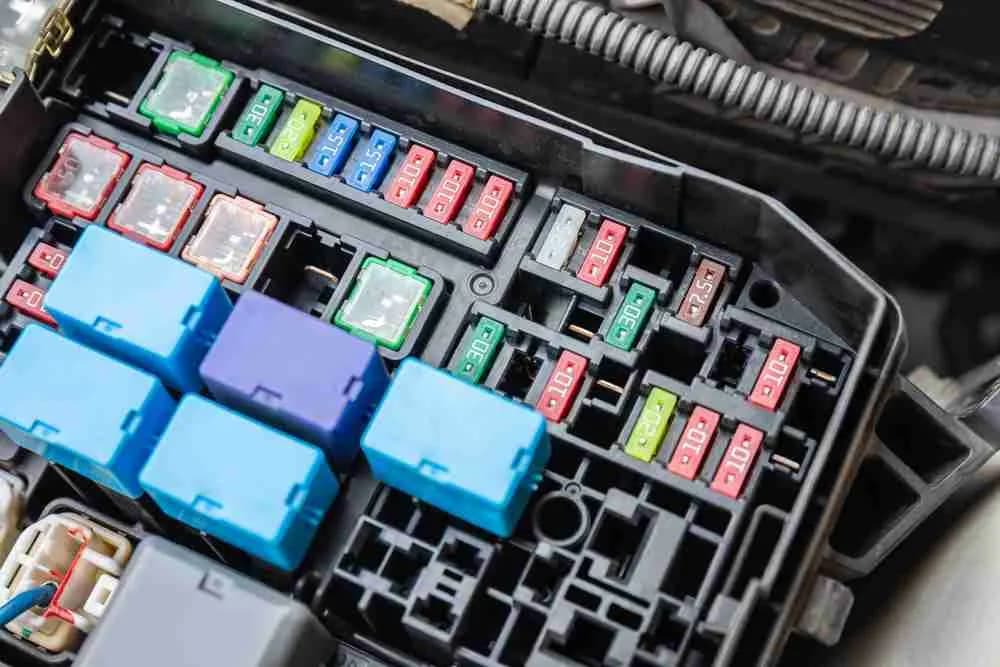
- Electrical System Fuse Testing
- Wiring Harness Repair
- Wiring Harness Insulation Repair
- Wiring Loom Repair
- Headlight Wiring Fix
- Headlight Wiring Repair
- Headlight Relay Repair
- Headlight Switch Replacement
- Headlight Bulb Replacement
- Headlight Alignment Adjustment
- Electrical System Testing
- Electrical System Diagnostics
- Electrical System Inspection
- Electrical Ground Repair
- Electrical Short Circuit Repair
- Power Window Motor Repair
- Power Window Switch Repair
- Sensor Diagnostics
- OBD-II Scanning
- Check Engine Light Reset
Frequently asked questions
Is it the battery or the starter when my car won't start?
If the dash lights are dim and you hear rapid clicking, it is usually the battery. If the lights stay bright and you hear one click or nothing, the starter or its cable is more likely. A load test and a voltage drop test during cranking tell us which, before you buy a part.
Why does my starter only click?
A single click means the starter solenoid is getting a signal but the motor is not turning. Causes include a worn starter, a corroded main cable, a loose ground or a battery that sags under load. We measure voltage at the starter while cranking so we replace the right piece.
Why does my battery die overnight?
Something is drawing power after you park, such as a module that stays awake, a light that stays on or an aftermarket accessory. It can also be an old battery that no longer holds a charge. We load test the battery, then run a parasitic drain test and pull fuses to find the circuit.
How do I know my alternator is failing?
Common signs are a battery light while driving, headlights that dim at idle, a whining noise from the front of the engine and a battery that keeps going flat. We test charging output under load and check the belt, because a slipping belt can mimic a bad alternator.
Why does Inland Empire heat kill car batteries?
Heat speeds up the chemical wear inside a battery and dries it out, so the damage builds all summer. The battery often fails later, on the first morning it has to work hard. Testing before and after summer lets you replace it on your schedule instead of in a parking lot.
Do start-stop cars need a special battery?
Yes. Cars that shut the engine off at stops need the battery type the manufacturer specifies, usually AGM or an enhanced flooded battery. Some also need battery registration with a scan tool so the charging system knows a new battery is in. We confirm both before quoting.
Can you help if my car is stuck somewhere and won't start?
Yes. Call (909) 646-4111 and we will tell you how the board looks. We accept tow-ins, and there is an after-hours key drop. Once the car is here, we start with the battery and connections and work through the no-start order.