
On this page
This overview explains the parts of your car's electrical system and which Route 66 Auto Repair service matches each problem, so you know where to start before you call our Upland shop. Your car stores power, makes it, spends a burst of it to start, and sends it through fuses, wires and computers. A fault in each area feels different.
What are the five parts of a car's electrical system?
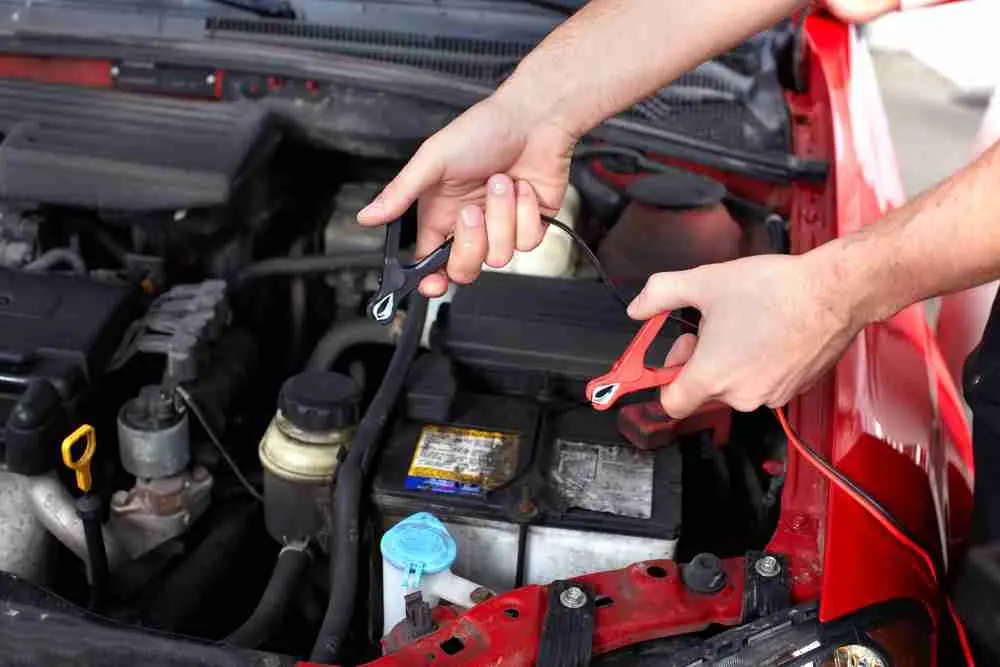
- Storage: the 12-volt battery, its terminals and its hold-down
- Charging: the alternator, its voltage regulator and the drive belt that spins it
- Starting: the starter motor, solenoid, relay and the heavy cables that feed them
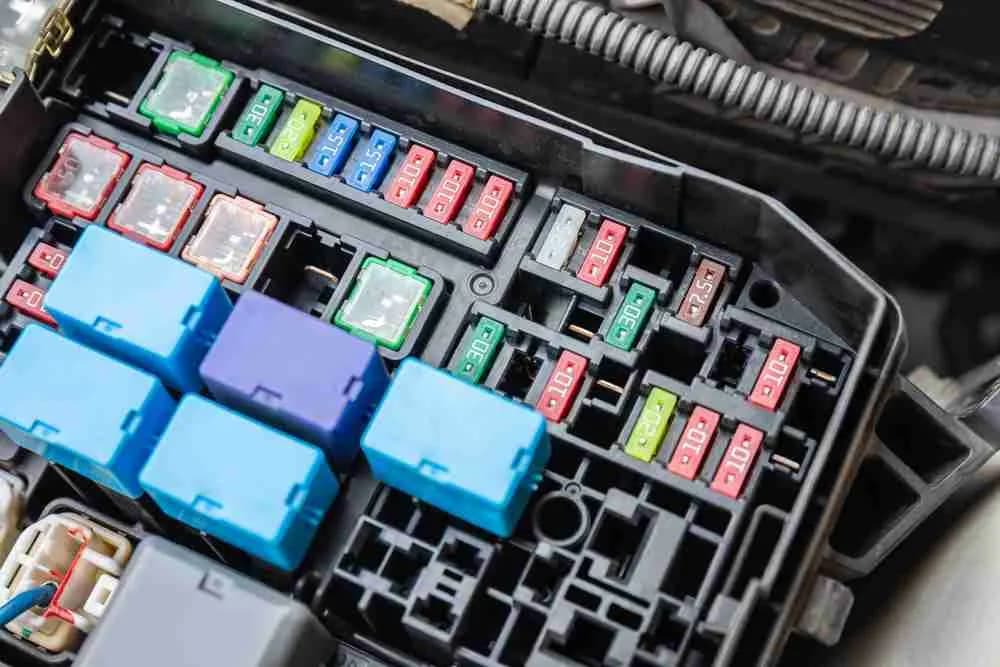
- Distribution: fuse boxes, relays, wiring harnesses and ground straps
- Control: the computers, sensors and switches that turn circuits on and report faults
Which service fits what you are noticing?
If the car is slow to crank or needs jumps, start with storage: battery testing comes before any purchase. If a battery light glows while you drive or the headlights pulse at idle, the charging side is the suspect, and a charging system test is the right first step.
Blown fuses, dead accessories and flickering gauges belong to distribution, which is general auto electrical repair territory. Warning lights with stored codes point to the control side. Unsure? Describe the symptom and we will sort it.
Why does one weak part make the others look bad?
The areas lean on each other. A worn battery makes the alternator work harder. A corroded ground makes modules store odd codes. A slipping belt starves the alternator and drains the battery. So we test the whole loop instead of swapping the loudest suspect. The full symptom table lives on our electrical services hub.
How a first electrical visit works
Step 1: Describe it
Tell the service writer what happens, when, and whether the car has needed a jump recently.
Step 2: Screen the system
The technician checks battery health, charging output and connections, then scans for stored faults.
Step 3: Name the area
We tell you which of the five areas the fault lives in and what testing is still needed to pin it down.
Step 4: Estimate before work
You get a written estimate with each line marked need-now or need-later.
What's included in a first electrical visit
Included on the work order
- 01Symptom notes written on the repair order in your words
- 02Battery state of charge and health check
- 03Charging output reading
- 04Terminal and main cable look-over
- 05Module code scan with results explained in plain words
What needs attention now and what can wait?
Need now: call
- A red battery warning on the dash while driving
- Smoke, heat or a hot plastic smell near wiring
- Headlights failing at night
Need later: book
- A dome light that stays dark
- A battery that tests fair but not great
- A single power outlet that stopped charging your phone
How pricing and timing work
After your visit
Keep the repair order, since today's numbers make the next test more useful. Comebacks go to the front of the line.
Frequently asked questions
Do I need to know which part is bad before I call?
No. Tell us what the car does and when. We sort the symptom into the right area and test from there, which beats guessing the part.
Is the 12-volt battery the same as a hybrid battery?
No. Hybrids also have a small 12-volt battery that fails like any other. The large drive battery is a separate system. Tell us it is a hybrid at intake and we will explain what we can take on.
Why do electrical problems seem to come and go?
Heat, vibration and moisture change how a loose connection behaves, so a fault can vanish in the morning and return by afternoon. Tell us when it happens.