
On this page
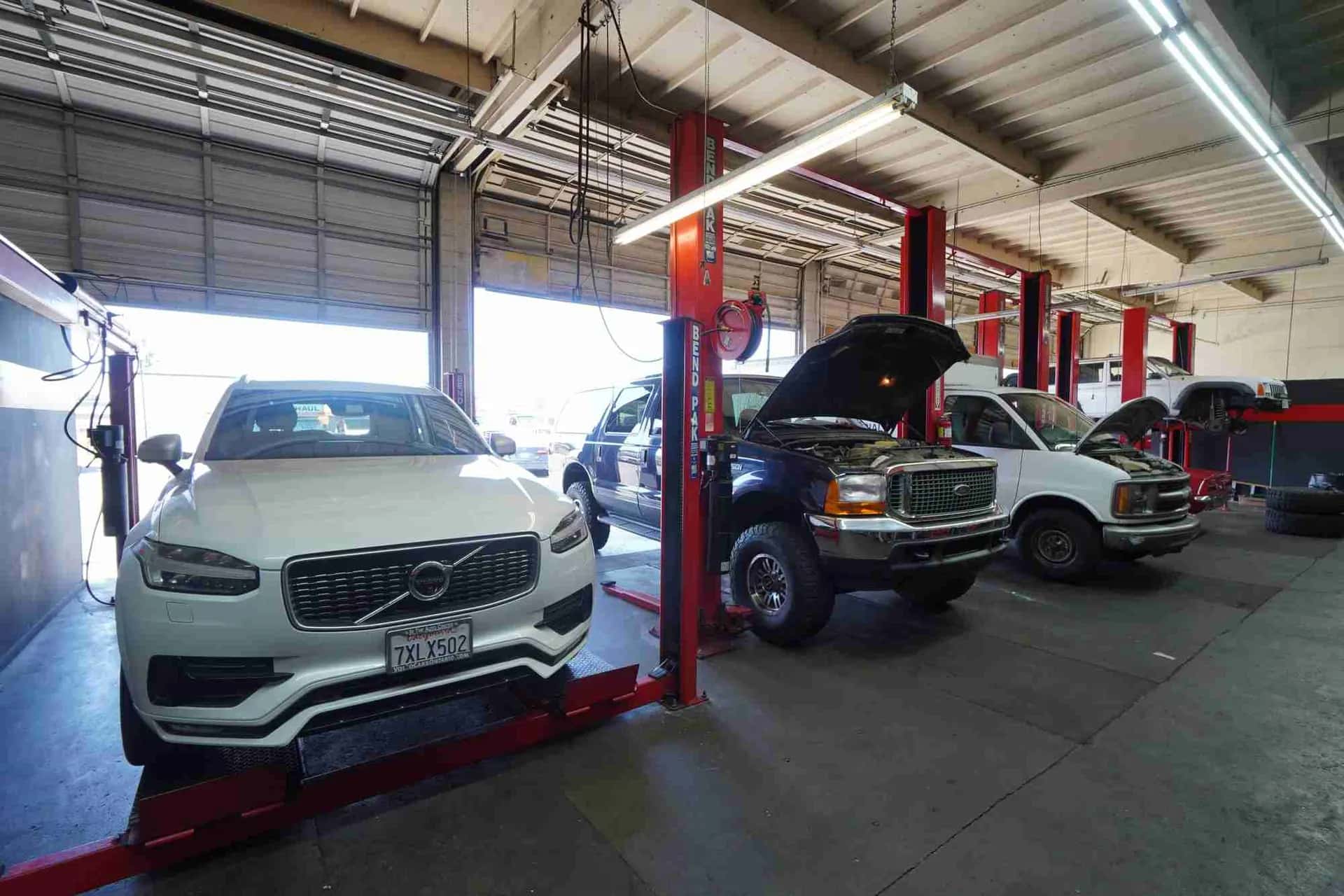
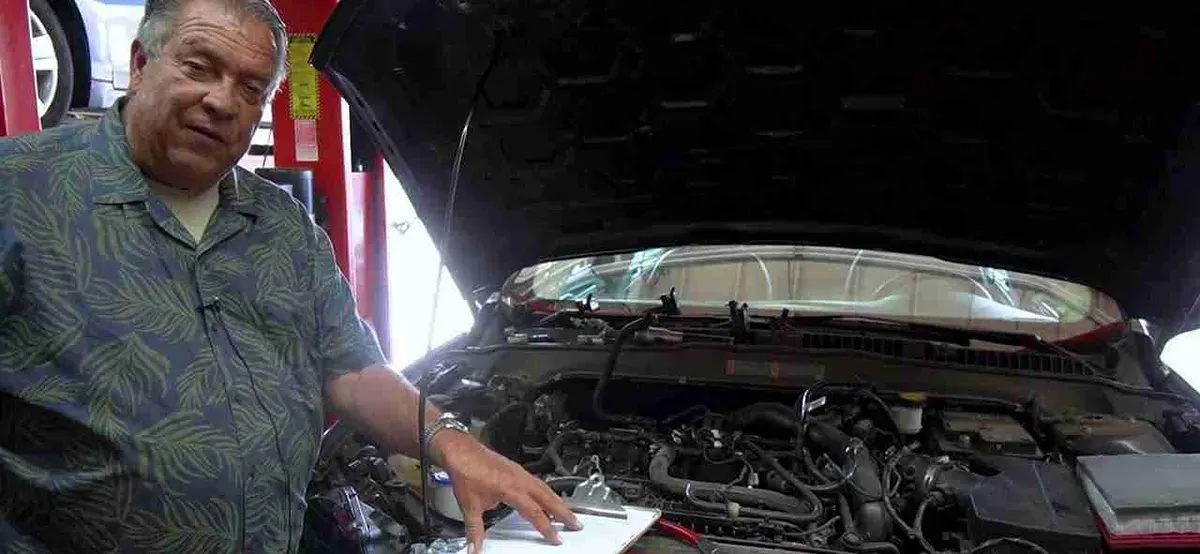
Route 66 Auto Repair in Upland finds out why your car is acting up before anyone orders a part. Our ASE-certified technicians run the scan, the tests and the road test, then write down what they found. We also do deluxe pre-purchase inspections with photos, a second sign-off and a buy-or-walk letter. The diagnostic fee is stated at the counter before testing starts, and it applies to the approved related repair.
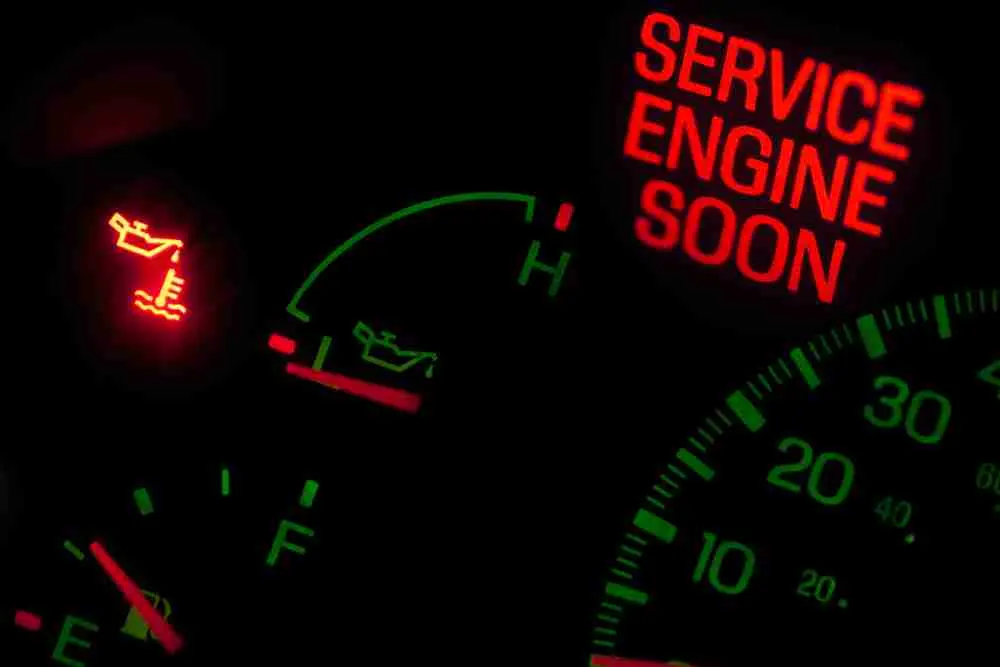
Warning light on, a strange noise, or a car you are about to buy?
Most people call us at a bad moment. The check engine light came on halfway through the 210 commute. The car cranked slowly in a parking lot and then did nothing. A Marketplace seller wants cash by Saturday. You want to know what is wrong, what it will cost, and whether anyone is about to take advantage of you. That worry is fair, and the answer to it is evidence, not a sales pitch.
Diagnostics and inspections are the part of auto repair where we slow down on purpose. A technician tests the system, writes the readings on the repair order, and takes photos when the part is the point. You get a written estimate that separates what needs to happen now from what can be scheduled. Nothing extra gets done without your approval, and if the job grows, we stop and ask again.
What can we diagnose and inspect?
This hub covers testing and inspection. The repair itself lives on each service page, but it always starts with a test like one of these.
- Warning lights: check engine, ABS (anti-lock brakes), airbag, battery and TPMS (tire pressure monitoring system) lights. Most start with check engine light diagnostics.
- No-starts and dead batteries: the battery, cables, starter, charging system and any parasitic drain that empties the battery overnight.
- Electrical faults: windows, lights, gauges and modules that act up. These go through electrical system diagnostics.
- Drivability complaints: hesitation, misfires, rough idle, poor fuel economy and shifting problems.
- Noises, leaks and smells: grinding, clunks, drips on the driveway, a sweet coolant smell or burning oil.
- Heat trouble: overheating in Foothill Blvd traffic, AC that goes warm at idle, a cooling fan that never switches on.
- Inspections you schedule: the deluxe pre-purchase inspection, safety and annual checkups, and system-by-system inspections for brakes, tires, suspension, cooling and more.
How does the diagnostic fee work?
The diagnostic fee pays for the time it takes to find the cause instead of guessing at it. It covers the scan of the vehicle's computer modules, the tests that follow the scan (voltage drop checks, pressure and leak tests, smoke tests, live data review), a road test when the problem only shows up while driving, and the technician's time to write the findings on your repair order.
The counter tells you the fee before any testing begins, and you say yes or no before a tool touches the car. We do not print a figure on this site because the test plan depends on the complaint. A single warning light and an intermittent electrical fault are very different amounts of work, and an extended test is quoted before it starts.
If you approve the related repair we find, the diagnostic fee applies to that repair on your invoice. If you decline the repair, the fee still stands, because the testing was done and the findings are yours to keep. You leave with a written explanation of what failed and why, and you can take it anywhere.
A phone quote is a range, not a price. Until a technician has the vehicle in the bay, nobody can see the corroded connector or the seized bolt that changes the job. The written estimate after testing is the number that counts, and our pricing page explains how parts and labor are figured.
Why is a trouble code not a parts list?
OBD-II (on-board diagnostics, second generation) is the computer system modern cars use to report faults. When it stores a code, it is telling you which circuit or reading looked wrong, not which part to buy. A lean code can come from a vacuum leak, a weak fuel pump, a dirty sensor or a wiring fault. A misfire code on one cylinder can be a coil, a plug, an injector or low compression.
A parts-store code read is a starting point, not an answer. Replacing parts until the light goes out gets expensive fast, and it can bury the real cause under new parts. We read the code, look at the freeze-frame data (a snapshot of conditions when the fault set), then test the circuit the code points to.
Here is how that works on a common call: the car will not start. We test in this order, because each step rules something out before we move on, and it keeps anyone from selling you a starter when the problem was a loose cable.
- 1. Battery: a load test shows whether the battery holds voltage while cranking, not just at rest. Inland Empire heat wears batteries out early, so this is where most no-starts end.
- 2. Connections: terminals, ground straps and main cables are checked for corrosion and voltage drop. A clean-looking cable can still be bad inside.
- 3. Starter: if the battery and cables pass, we check whether the starter gets its signal and power, and whether it draws the current it should.
- 4. Fuel: if the engine cranks but will not fire, we check fuel pressure and whether the pump runs when the key is turned.
- 5. Immobilizer: the anti-theft system can block starting when it does not recognize the key. A security light and module data tell us if that is the cause.
What does the deluxe pre-purchase inspection include?
A pre-purchase inspection (PPI) is a close look at a used vehicle before you hand over money. We offer one version, the deluxe PPI, and every line below is completed on every job. If a box is empty, it is not deluxe. Ask to see the completed checklist when you pick up your letter.
Included on the work order
- 01Printed checklist, filled out line by line and signed
- 02Underbody photos of the frame, including rust, bends and repair welds
- 03Underbody photos of oil, coolant, transmission and brake fluid leaks
- 04Underbody photos of splash shrouds, CV boots and steering boots
- 05Full-module scan of every computer module, not only the engine
- 06Road test in town and at freeway speed, with notes on shifting, braking and steering
- 07Second sign-off by another technician or service writer who reviews the findings
- 08Written buy-or-walk letter in plain language
What can a pre-purchase inspection not tell you?
A deluxe PPI is a careful look at the vehicle on the day it is inspected. It cannot promise that nothing will fail next month, and it cannot see inside sealed components, such as the inside of an engine, a transmission or a differential, without taking them apart. What it does is show you what is visible, measurable and scannable, in writing and in photos, so you decide with facts.
What to bring, notes for trucks and private sales, and how to book are on the pre-purchase vehicle inspection page.
Our diagnostic process
Step 1: Listen
A service writer takes your concern in your words: when it happens, how often, hot or cold, and what changed recently.
Step 2: State the fee
The counter tells you the diagnostic fee and what it covers before testing starts. Wait or drop-off is decided here.
Step 3: Verify and scan
The technician confirms the complaint, scans the modules, and records codes and freeze-frame data.
Step 4: Test the circuit
Codes point to a system. Pinpoint tests find the part, the wire or the leak behind it.
Step 5: Write it up
You get a written estimate with each line labeled need-now or need-later, plus photos when the part is the point.
Step 6: Repair and road test
Approved work is done to spec, quality-checked and road-tested. Declined items stay on the repair order.
What needs attention now, and what can wait?
Every estimate labels each line as a safety or strand risk now, or something you can schedule. These are common examples.
Need now: call
- A flashing check engine light, which usually means an active misfire that can damage the catalytic converter
- A brake warning light, a soft pedal or metal-on-metal grinding
- A temperature gauge that climbs, or coolant on the ground
- A battery or charging fault that could strand you on the 10 or the 210
Need later: book
- A steady check engine light for a small EVAP (fuel vapor) leak, such as a worn gas cap seal
- Light gasket seepage with no drips on the driveway
- Tires that are worn but still legal, with even wear
- A dash message for a comfort feature like a seat heater
How pricing and timing work
Price depends on the vehicle, the complaint and what the testing finds. An intermittent fault that shows up once a week takes more time than a hard failure that is there every time you turn the key. The written estimate lists parts and labor for each line before any repair starts. If a job needs two technicians, we explain that before the clock starts.
Same-day testing happens when the board allows, so call before you drive over. We only promise a look window the schedule can hold, and we text you if it will slip. Tow-ins are welcome, and the after-hours key drop works for evening drop-offs.
Why do Inland Empire cars need testing, not guessing?
Driving here is hard on cars in specific ways. Summer heat cooks batteries and dries out rubber. The Cajon Pass and the 57 grade load the cooling system and the transmission. Stop-and-go on Foothill Blvd heats brakes and leaves engines idling for long stretches, and short trips never let the oil or exhaust get fully hot. Dust from washes and construction clogs filters and wears belts.
Those conditions create symptoms that look alike. A car that runs hot in traffic could have a weak fan, a clogged radiator or a failing water pump. Testing tells them apart, so you pay for one repair instead of three. Before your visit, it is worth running your VIN through the NHTSA recall lookup (opens in a new tab), since open recalls are handled by a franchised dealer.
Where are we, and how do you book?
Route 66 Auto Repair is at 1775 W Foothill Blvd, Upland, CA 91786, on Historic Route 66 at Foothill Blvd and Central Ave, one block east of In-N-Out Burger, between the I-10 and the 210. Hours are Monday to Friday 8 AM to 5 PM and Saturday 8 AM to 2 PM. We are closed Sunday. Call (909) 646-4111 or use the contact form to book testing or a deluxe pre-purchase inspection. We take cards and cash. Diesels and hybrids are welcome; if yours is a hybrid, tell us it's a hybrid at intake and we'll explain what we can take on.
Every diagnostics and inspections page
Each page explains the symptoms, how we test, what the work order includes and what to ask before you approve.
- Auto Diagnostic
- OBD-II Scanning
- Performance Issue Analysis
- Vehicle Safety Inspection
- Pre-Purchase Vehicle Inspection
- Annual Vehicle Inspection
- Brake System Inspection
- Tire Inspection
- Suspension Inspection
- Exhaust System Inspection
- Electrical System Inspection
- Engine Performance Inspection
- Fluid Level Inspection
- Battery Condition Inspection
- Alternator Performance Inspection
- Steering System Inspection
- Cooling System Inspection
- Transmission Condition Inspection
- Clutch System Inspection
- Headlight Alignment Inspection
- Wiper Blade Inspection
- Fuel System Inspection
- AC System Inspection
- Heater System Inspection
- Belt Condition Inspection
- Hose Condition Inspection
- Chassis Integrity Inspection
- Frame Damage Inspection
- Exhaust Leak Inspection
- Brake Fluid Condition Inspection
- Power Steering Fluid Inspection
- Transmission Fluid Inspection
- Coolant Condition Inspection
- Battery Terminal Inspection
- Wiring Condition Inspection
- Suspension Bushing Inspection
- Tie Rod Condition Inspection
- Ball Joint Inspection
- Shock Absorber Inspection
- Strut Condition Inspection
- Wheel Bearing Inspection
- Drive Shaft Inspection
- Differential Fluid Inspection
- Transfer Case Inspection
- Turbocharger Condition Inspection
- Fuel Pump Performance Inspection
- Radiator Condition Inspection
- AC Compressor Inspection
- Alternator Output Inspection
- Starter Motor Condition Inspection
- Ignition System Inspection
- Vehicle Diagnostic Scan
Frequently asked questions
What is included in a diagnostic?
A diagnostic includes a scan of the vehicle's modules, the tests needed to confirm the cause, a road test when the problem shows up while driving, and the technician's time to write the findings. You get a written estimate that labels each repair as need-now or need-later.
How does the diagnostic fee work?
The counter states the fee before any testing starts. If you approve the related repair, the fee applies to it on your invoice. If you decline the repair, the fee is still owed because the testing was done, and you keep the written findings.
Can you give me a price over the phone?
We can give a range based on what you describe. It stays a range until a technician inspects the vehicle, because corrosion, seized parts or a second fault can change the job. The written estimate after testing is the number you approve.
Is a code scan the same as a diagnosis?
No. A code tells us which circuit or reading looked wrong. It does not name the failed part. A diagnosis adds freeze-frame data, pinpoint tests and often a road test, so the part we recommend is the part that actually failed.
What does a pre-purchase inspection check?
Our only PPI is the deluxe version: a printed checklist, underbody photos of the frame, leaks, shrouds and boots, a full-module scan, a road test, a second sign-off and a written buy-or-walk letter. If any of those is missing, it is not deluxe.
What should I bring to a used-car inspection?
Bring the VIN, the seller's permission to have the vehicle inspected and road-tested, and a realistic time window. The vehicle needs to come to our shop on Foothill Blvd. Call ahead so we can hold a spot on the board.
Can I get a second opinion on a dealer quote?
Yes. Bring the dealer's written quote. We test the vehicle ourselves, charge the diagnostic fee stated at the counter, and write down what we find. Sometimes we agree with the quote and sometimes we find a smaller fix. Either way, you get the reasoning in writing.
How long does diagnosis take?
A hard failure that shows up every time can often be tested the same day when the board allows. Intermittent problems take longer because the fault has to appear while we watch. We give you a look window at drop-off and text you if it will slip.