
On this page
An auto diagnostic at Route 66 Auto Repair in Upland is for the car that feels wrong when you can't say why. A technician confirms the symptom, scans the computer, tests the likely causes and writes down what failed and how we know. You get the findings and a written estimate before any repair, and the diagnostic fee applies to approved related work.
When should you book an auto diagnostic?
- A vibration, smell or sound that is new and will not go away
- The car drives differently after a pothole, a hot day or a long grade
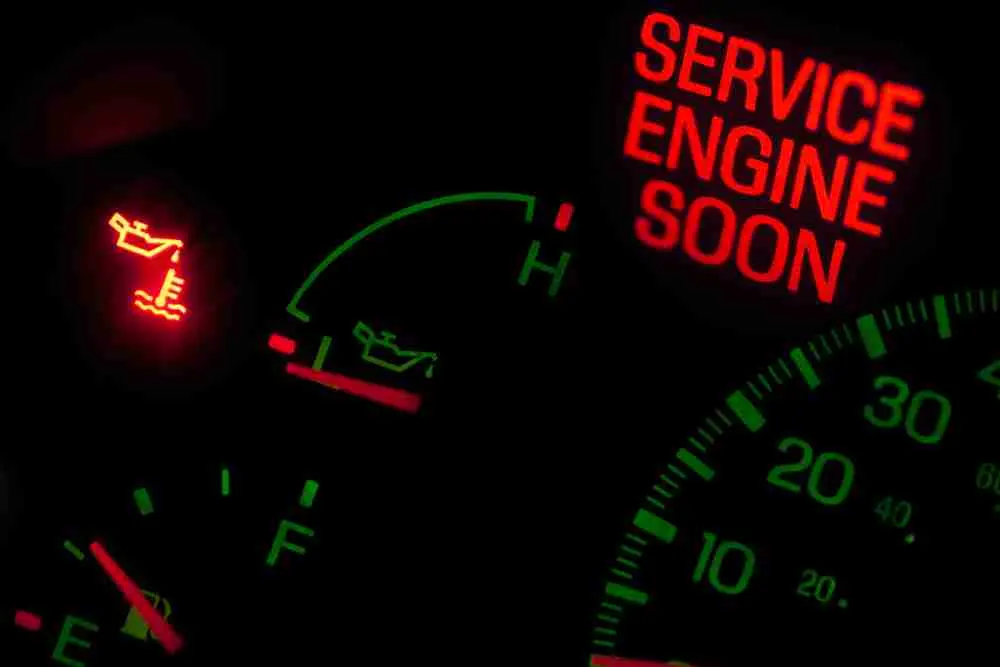
- A warning light that comes and goes
- A parts store gave you a code but no clear answer
- You already replaced a part and the problem is still there
Why do we start with your description?
The most useful diagnostic tool is the driver. You know that the shudder only happens between 40 and 50 mph, or that the smell shows up after the drive home from Ontario. We write your words on the repair order, then try to reproduce the problem on a road test before touching anything. A symptom we can feel ourselves is a symptom we can chase with confidence.
If we cannot reproduce it, we say so. Some faults need the car to sit overnight or run a specific route before they appear. We would rather tell you that than replace a part on a hunch. For light-on complaints, the next step is often check engine light diagnostics. For trouble with power, lights or modules, it is electrical system diagnostics.
Our auto diagnostic process
Step 1: Interview
The service writer asks when, where and how often it happens, and what changed before it started.
Step 2: Reproduce
A technician drives or runs the vehicle to feel, hear or see the symptom.
Step 3: Narrow it down
Scan data, visual checks and targeted tests rule causes in or out one at a time.
Step 4: Report
You get the cause, the evidence and a written estimate sorted into need-now and need-later.
What's included in an auto diagnostic
Included on the work order
- 01Symptom interview written on the repair order
- 02Road test to confirm the complaint
- 03Computer scan with codes and live data reviewed
- 04Targeted tests for the suspected system
- 05Photos of the failed part when the part is the point
- 06Written findings and estimate
Which findings are need-now, and which can wait?
Need now: call
- Symptoms that affect braking, steering or visibility
- Smoke, burning smells or fresh fluid on the ground
Need later: book
- A faint new noise with no change in how the car drives
- An intermittent light with no drivability change, once we have checked it
How pricing and timing work
The diagnostic fee is stated at the counter before any testing starts, and it applies to approved related repair. What changes it is how hard the fault is to catch: a code with a clear test path is quick, while an intermittent noise may need several road tests or a module scan across the whole vehicle. If two technicians are needed on one job, we explain that before the clock starts.
Timing depends on the board. Same-day diagnostics happen when the schedule allows, so call before you drive over. If the look window is going to slip, we text you instead of leaving you guessing. Nothing past the written estimate gets done without your approval.
Frequently asked questions
What if you can't find anything wrong?
Then we tell you what we tested, what passed and what we would try next. Sometimes the best step is to drive the car until the symptom is stronger and bring it back. You still get written notes, so the next visit starts where this one ended.
Can I wait while you diagnose it?
Sometimes. Wait or drop-off is decided at intake, based on the complaint and what the board can hold that day. For intermittent problems, drop-off usually works better because the technician may need several tries to catch it.
Do I need to know the trouble code before I come in?
No. Bring the car and tell us what it is doing. A code from a parts store scanner is useful background, but it names a circuit or a reading, not a broken part. We pull the codes ourselves along with live data and freeze frames, then test the circuit the code points at.
Will the diagnostic fee come off my repair bill?
It applies to approved related repair, so if you authorize the work the testing pointed to, the fee goes toward that job. If you decline the repair or take the car elsewhere, the fee covers the testing time and you keep the written findings.
What should I do before dropping the car off?
Note when the symptom happens: speed, engine temperature, weather, and whether the car was just started or driven for an hour. Leave any aftermarket remote starter or alarm instructions with the keys, and let us know if a warning light has been on for a while.