
On this page
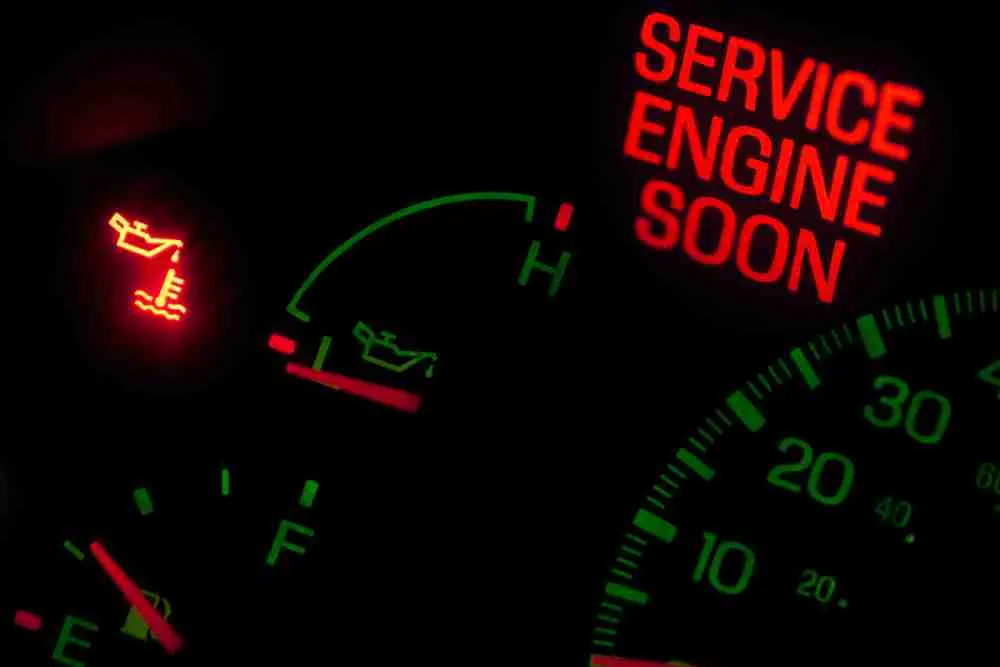
Check engine light diagnostics at Route 66 Auto Repair in Upland go past reading a code. The OBD-II (on-board diagnostics) code only says which test failed, not which part to replace. Our ASE-certified technicians read the code and freeze-frame data, then test the sensor, wiring or part behind it. The diagnostic fee is stated at the counter before testing and applies to approved related repair, and your findings come in writing.
Is a steady or flashing check engine light more serious?
A steady light means the computer saw a fault and stored a code. The car is usually safe to drive to the shop, but a fuel-related fault left alone can foul plugs or damage the catalytic converter over time.
A flashing light means active misfire, bad enough to overheat the catalytic converter. Ease off, avoid the freeway if you can, and call us at (909) 646-4111. If the car shakes hard, we accept tow-ins.
What commonly turns on a check engine light?
- A loose or worn gas cap, setting an evaporative leak code
- Oxygen sensor or air-fuel sensor faults
- Misfires from plugs, coils or injectors
- Vacuum leaks that make the engine run lean
- Catalytic converter efficiency faults
Why isn't a free code read enough?
A parts store reader gives you a code number. A lean code, for example, can come from a vacuum leak, a weak fuel pump, a dirty airflow sensor or a bad sensor. Replacing the part named in the code description is the guess that frustrates drivers. We test until the cause is proven, then quote only that repair. If you just want the code read or cleared, see our OBD-II scanning and check engine light reset pages.
Our check engine light diagnostic process
Step 1: Listen first
The service writer notes when the light came on and what you felt, heard or smelled.
Step 2: Scan and freeze frame
We read codes, pending codes and the snapshot of conditions when each fault set.
Step 3: Pinpoint test
We follow the maker's test path with a meter, smoke machine, pressure gauge or scope.
Step 4: Written findings
You get the cause, the fix, and need-now or need-later labels before any repair.
Step 5: Repair and verify
After approved repair, we clear codes and road test to confirm the monitor passes where possible.
What's included in check engine light diagnostics
Included on the work order
- 01Stored and pending code scan
- 02Freeze-frame data review
- 03Pinpoint testing of the failed circuit
- 04Written findings and repair quote
Need-now or need-later?
Need now: call
- A flashing light or a car that shakes
- A light with overheating, fuel smell or power loss
Need later: book
- A steady light from a small evaporative leak
- A sensor code with no drivability change
How pricing and timing work
Aftercare
The car's self-tests need a mix of city and freeway driving to finish after codes are cleared. If the same light returns, bring it back and it goes to the front of the line, with the root cause written on the repair order. For a broader look, ask about engine diagnostics.
Frequently asked questions
Can a loose gas cap turn on the check engine light?
Yes. A cap that does not seal sets an evaporative leak code. Tighten it until it clicks, then drive a few days. If the light stays on, the leak is somewhere else and needs testing.
Do you charge to diagnose a check engine light?
Yes. The diagnostic fee is stated at the counter before testing, and it applies to approved related repair. Real testing takes technician time, and the fee covers that work.
Is the check engine light the same as the maintenance light?
No. A maintenance reminder is a mileage timer for services like an oil change. The check engine light means the computer found a fault.