
On this page
A check engine light reset clears stored trouble codes and turns the warning lamp off. Route 66 Auto Repair in Upland resets the light after the cause is found and repaired, then confirms it stays off. Clearing a code without a repair only hides the warning, and the light usually returns. Our ASE-certified technicians record every code before clearing, explain readiness monitors, and road-test the car so you leave with facts.
When does a reset make sense?
A flashing check engine light is different. It warns of a misfire that can damage the catalytic converter. Reduce speed, avoid hard acceleration and call (909) 646-4111.
- After a repair that fixed the code's cause
- After a loose fuel cap was tightened and the code has not returned
- After a battery disconnect left history codes behind
- To confirm whether an old stored code comes back
What happens after a reset?
Clearing codes also resets the readiness monitors, the self-tests the engine computer runs during normal driving. They need a mix of cold starts, steady freeway speeds and idle time to finish. Until they do, some inspections cannot pass the car, so do not clear codes right before one.
If the fault was not fixed, the computer finds it again during those tests, and the light returns. That is useful information, not a failure of the reset. For the diagnosis itself, see check engine light diagnostics.
Our reset process
Step 1: Record first
All codes and freeze frame data are saved to the repair order before anything is cleared.
Step 2: Confirm the repair
We verify the fault's cause was fixed, or explain why a reset alone is being done.
Step 3: Clear and check
Codes are cleared and the light is confirmed off with the engine running.
Step 4: Road test
A drive lets monitors begin running and checks that no code sets right away.
What's included in a check engine light reset
Included on the work order
- 01Code and freeze frame record before clearing
- 02Confirmation of the related repair
- 03Code clear and lamp check
- 04Road test
- 05Readiness monitor status and drive guidance
Need-now or need-later?
Need now: call
- A flashing check engine light
- A steady light with stalling, overheating or loss of power
- A light that returns right after a reset
Need later: book
- A steady light from a loose fuel cap that has been tightened
- An old history code with no symptom
- Monitors that are still incomplete a few days after a repair
How pricing and timing work
After the reset
Drive normally for several days, including a freeway run on the I-10 or 210. If the light comes back, do not clear it yourself; bring it in so we can read the fresh code. Our OBD-II scanning page explains what we read, and sensor diagnostics covers the most common repeat codes.
Frequently asked questions
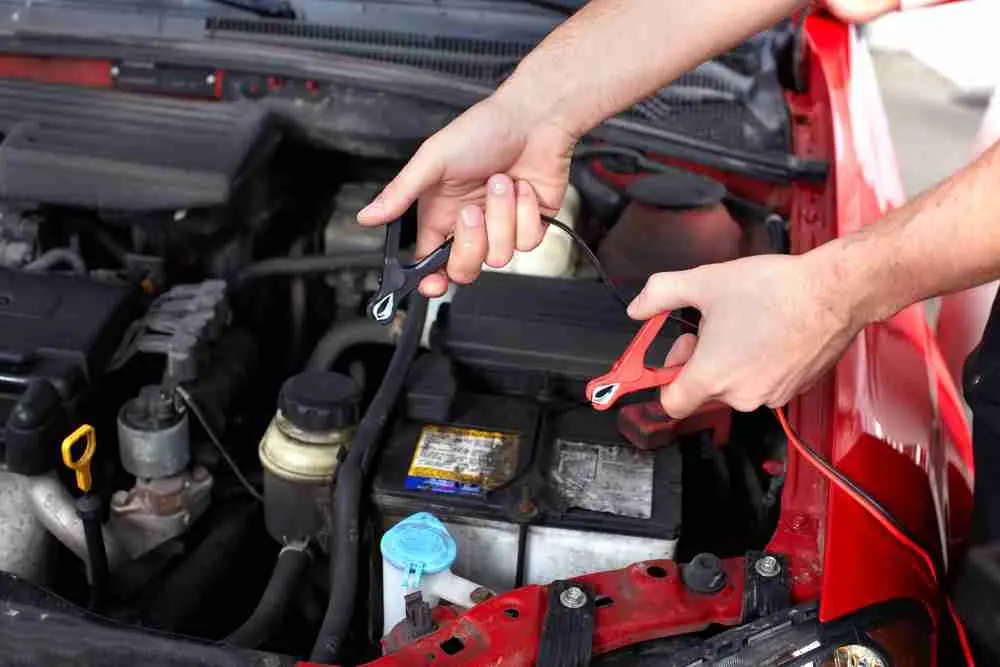
Can I just disconnect the battery to reset the light?
It often clears the light, but it also erases the data we need, resets radio and window settings, and the light comes back if the fault is still there. A scan tool reset keeps a record.
How long until the readiness monitors are ready?
It depends on the vehicle and how you drive. A mix of cold starts, city driving and steady freeway speed usually completes them over several days. We explain what your car needs.
Will a reset make my car pass an inspection?
No. Inspections check readiness monitors, and a fresh reset shows them as incomplete. Fix the fault, then drive normally until the monitors finish.