
On this page
Engine diagnostics at Route 66 Auto Repair in Upland is how we find the cause of a rough idle, stalling, hesitation or lost power, with or without a warning light. We check the four things every engine needs: spark, fuel, air and compression. ASE-certified technicians work through them in order, so you pay for a confirmed cause rather than a pile of parts that might help.
Which drivability problems call for diagnostics?
- Idle that shakes or hunts up and down at a light on Foothill Blvd
- Hesitation or bucking when you merge onto the 210
- Stalling when you come to a stop
- Hard starting when hot, or after sitting
- Power that fades on a long grade
- Fuel economy that drops without a reason
How do we narrow down a drivability problem?
We begin with live data, not just codes. Fuel trims show whether the computer is adding or pulling fuel to compensate for something. A large positive trim at idle that shrinks at speed often points to a vacuum leak, which we confirm with a smoke machine. Trims high everywhere suggest a fuel delivery problem, and a fuel pressure test settles it.
Spark is checked by cylinder, using misfire counters and a coil swap when needed. Airflow sensor readings are compared against engine size and speed. If those all look right, a compression or leak-down test checks the mechanical side. The specific tests are explained on our engine diagnostic test page, and warning-light cases are covered under check engine light diagnostics.
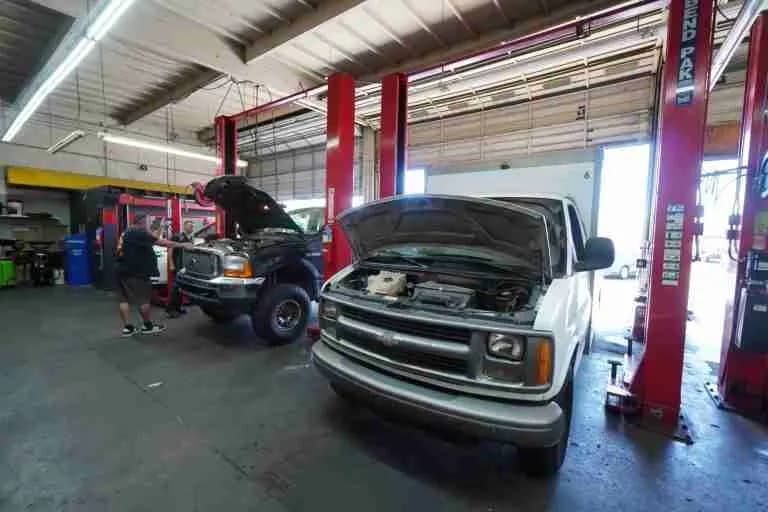
Our engine diagnostics process
Step 1: Recreate the complaint
We road-test or idle the engine under the conditions you described, with the scan tool recording.
Step 2: Read the data
Fuel trims, airflow, sensor voltages and misfire counts are reviewed together.
Step 3: Pinpoint test
Smoke, fuel pressure, coil or compression tests confirm the suspect.
Step 4: Report
You get the cause, the evidence and a written estimate with need-now and need-later labels.
What's included in engine diagnostics
Included on the work order
- 01Road test or idle test with data recording
- 02Fuel trim and airflow review
- 03Misfire counter check by cylinder
- 04Pinpoint test for the leading suspect
- 05Written findings and estimate
How urgent is a drivability problem?
Need now: call
- Stalling in traffic or on the freeway
- Hesitation with a flashing check engine light
Need later: book
- A slight idle wobble that clears once warm
- A small fuel economy drop with no other symptom
How pricing and timing work
The counter states the diagnostic fee before testing, and it applies to approved related repair. Problems that only happen once the engine is hot or after a long drive can take longer to catch, and we tell you if we need the car overnight. Intermittent faults are the hardest, so any detail you can give helps.
Aftercare
After the repair, drive your normal routes for a week. The computer relearns fuel trims over several drive cycles, so idle quality can keep improving. If the original symptom returns, call us. Regular diagnostics and inspections help catch small drifts early.
Frequently asked questions
My car runs rough but there is no warning light. Can you still find it?
Yes. Many drivability faults do not set a code at first. Live data, misfire counters and a road test often show the problem before the computer turns on a light.
Why can't you just read the code and replace the part?
A code names a failed test, not a failed part. The same lean code can come from a vacuum leak, a weak pump or a dirty sensor. Testing keeps you from paying for the wrong fix.
Should I bring the car when the problem is happening?
If you can, yes. Tell us exactly when it happens: cold, hot, at idle, under load. That lets us recreate it faster during the road test.