
On this page
A fuel system inspection at Route 66 Auto Repair in Upland checks how fuel is stored, delivered and kept from escaping. We test fuel pressure, look over the lines, filter and tank area for leaks, and check the EVAP (evaporative emissions) system that traps fuel vapor. A fuel smell or a hard start is worth checking before it turns into a hazard.
What are the signs of a fuel system problem?
- A raw fuel smell around the car or inside it
- Long cranking before the engine starts
- Stalling or sputtering on a hot day
- Power loss on a climb
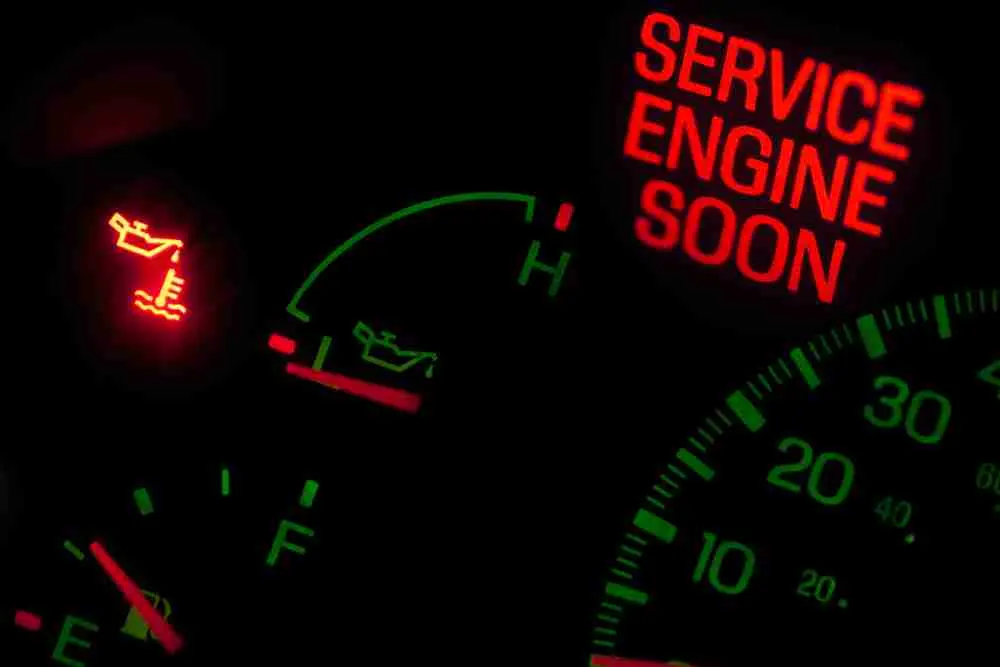
- A check engine light for an EVAP leak
- The pump nozzle clicking off early every time you fill up
How do we check fuel delivery and leaks?
A fuel pressure gauge shows whether the pump delivers the pressure the engine needs, and whether that pressure holds after shutoff. Pressure that bleeds off quickly can point to a leaking injector or a check valve problem, which causes long cranks. Some vehicles only report pressure through the scan tool, so we read it there.
Leaks are a safety issue. On the lift, we inspect fuel lines, fittings, the filter and the tank straps, looking for wet spots and odor. For EVAP codes, a smoke test fills the vapor system and shows where it escapes, often a cracked hose or a worn cap seal. A focused pump test is covered by the fuel pump performance inspection.
How we inspect your fuel system
Step 1: Smell and look
We check for fuel odor and wet spots around the engine and tank.
Step 2: Pressure test
Fuel pressure is measured with the engine running and after shutoff.
Step 3: Lift inspection
Lines, fittings, filter and tank straps are inspected.
Step 4: EVAP check
Codes are read, and a smoke test is run when needed.
Step 5: Report
Findings are written up with a clear safety note on any leak.
What's included in a fuel system inspection
Included on the work order
- 01Fuel odor and leak check
- 02Fuel pressure and hold test
- 03Fuel line and fitting inspection
- 04Tank strap and filler neck check
- 05Gas cap seal check
- 06EVAP code scan, plus a smoke test when needed
Which findings are need-now, and which can wait?
Need now: call
- Any liquid fuel leak
- A strong fuel smell in the cabin
- Stalling while driving
Need later: book
- A small EVAP leak code with no smell
- A cap seal starting to crack
How pricing and timing work
The inspection price is stated before testing, and a smoke test is noted if needed. Fuel repairs are estimated in writing. Diesels are welcome, and their fuel systems are covered in depth by diesel fuel system diagnostics. If power loss is the main complaint, performance issue analysis may fit better.
Frequently asked questions
Is a fuel smell an emergency?
A strong raw fuel smell, especially with visible drips, is a need-now issue. Do not park in a closed garage, keep sparks and flames away, and call us. We accept tow-ins if you would rather not drive it.
Can a loose gas cap turn on the check engine light?
Yes. The EVAP system checks itself for leaks, and a loose or worn cap is a common cause. Tighten the cap until it clicks. If the light stays on after several drives, bring it in.
Why does my car crank a long time when it is hot?
Heat can let fuel pressure bleed off or fuel vaporize in the lines. A pressure hold test helps show whether an injector, a pump check valve or a regulator is to blame.