
On this page
A transmission condition inspection at Route 66 Auto Repair in Upland checks how your automatic, CVT or manual transmission is holding up. We look at the fluid, leaks and mounts, road-test the shifts, and scan the transmission computer. You get a clear written picture of its current condition, which matters before towing, a long grade, a road trip or a sale.
What transmission signs should you watch for?
- A delay when shifting into drive or reverse
- Slipping, where engine speed rises but the car does not speed up
- Harsh or late shifts, especially when warm
- Shudder at light throttle
- Red or brown fluid under the middle of the car
- A whine or drone from a CVT
What can the fluid and data tell us?
Fluid is the first clue. Healthy automatic fluid is usually clean and does not smell burnt. Dark, burnt-smelling fluid or metal particles suggest wear. On transmissions with no dipstick, we check the level on the lift at the temperature the manufacturer specifies, because a wrong level causes its own problems.
Then we drive. We record shift timing, slip and torque converter behavior with a scan tool and check for stored codes in the transmission module. A CVT, or continuously variable transmission, uses a belt or chain instead of fixed gears and has its own data to review. Mounts get checked too, since a broken one can feel like a bad shift. A module fault may lead to transmission control module diagnostics.
How the transmission inspection works
Step 1: Fluid check
Level and condition are checked the way your transmission requires.
Step 2: Leaks and mounts
Pan, seals, cooler lines and mounts are inspected on the lift.
Step 3: Road test with data
Shifts, slip and converter behavior are recorded.
Step 4: Code scan
Transmission module codes and adaptation data are reviewed.
Step 5: Write-up
Findings are explained with need-now and need-later labels.
What's included in a transmission condition inspection
Included on the work order
- 01Fluid level and condition check
- 02Pan, seal and cooler line leak inspection
- 03Transmission and engine mount check
- 04Road test with recorded shift data
- 05Transmission module code scan
- 06Written condition findings
Which findings are need-now, and which can wait?
Need now: call
- Slipping or loss of drive
- A fluid leak that drips steadily
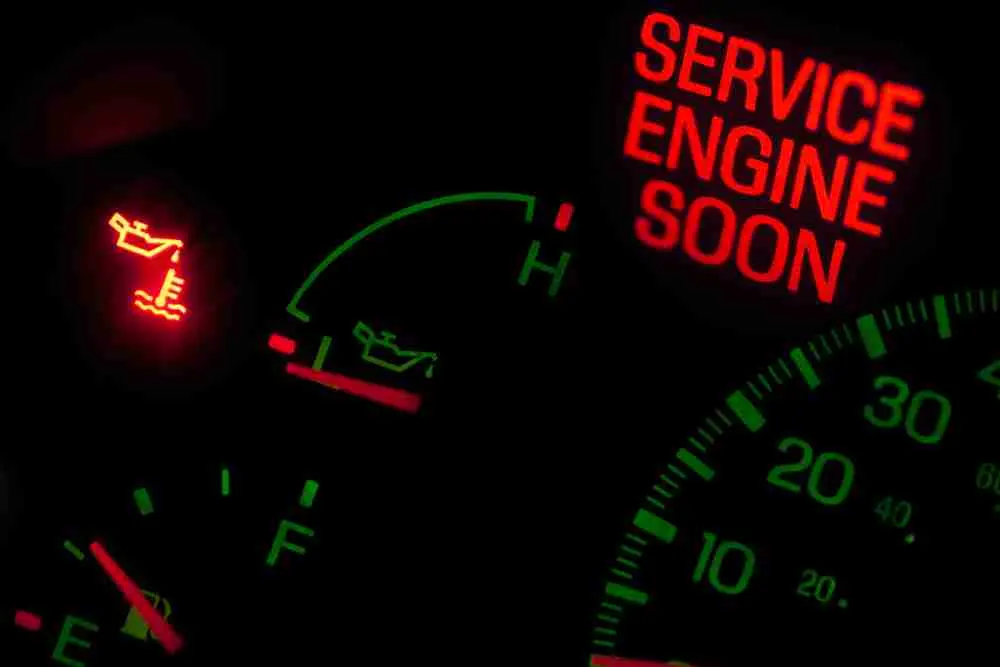
- A transmission warning light or limp mode
Need later: book
- Fluid due for service but still healthy
- Slightly firm shifts with no codes
How pricing and timing work
The inspection price is stated before we begin. Fluid service, leak repair or deeper transmission work is estimated in writing first, and your written estimate shows every step. See transmission services for repair options, and the transmission fluid inspection for a fluid-only check.
Frequently asked questions
Should old fluid be changed on a high-mileage transmission?
It depends on the fluid condition and the transmission design. We inspect it first and explain the tradeoffs. The decision is yours, and it goes on the estimate as need-now or need-later.
Does towing affect my transmission?
Yes. Towing, especially up long grades, raises fluid temperature and wears the transmission faster. If you tow, tell us, and we will pay close attention to fluid condition and the cooler lines.
Can you inspect a CVT?
Yes. A CVT needs its specific fluid and a careful look at its data. We scan the module and road-test the vehicle to look for shudder, slip or noise.