
On this page
A turbocharger condition inspection at Route 66 Auto Repair in Upland tells you whether your turbo is healthy, leaking boost or wearing out. A tired turbo can mean weak power on the Cajon Pass, blue smoke or a whistle that was not there before. We check shaft play, look for oil in the intake, read boost data on a road test and pressure-test for leaks. Gas and diesel engines are both welcome.
Signs your turbo needs checking
- Weak power climbing grades or merging onto the freeway
- A new siren, whistle or grinding noise that rises with boost
- Blue or gray smoke from the exhaust
- Oil in the intake hose or intercooler piping
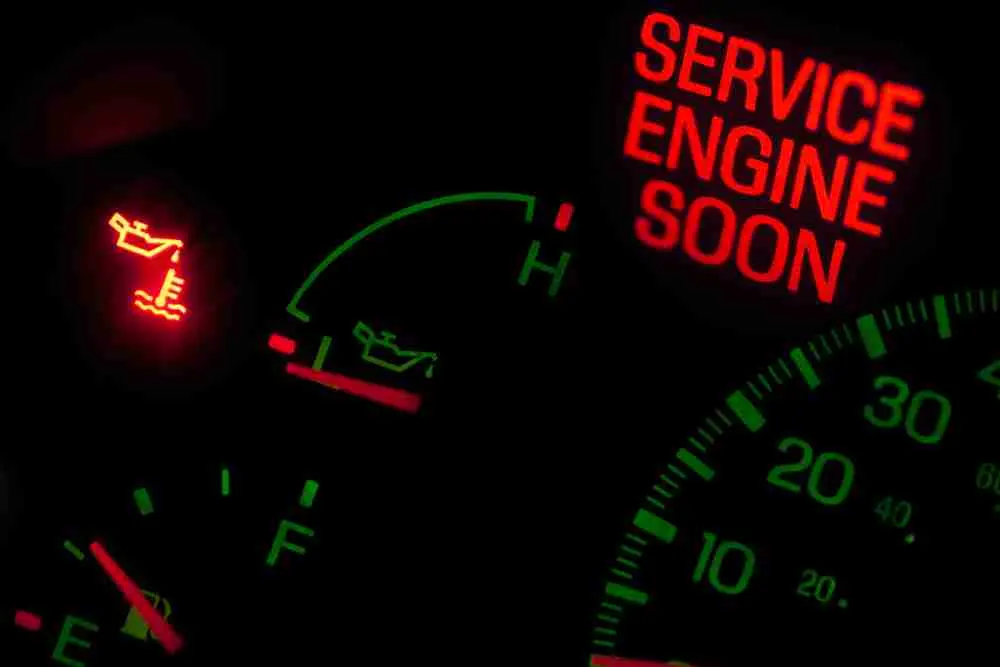
- A check engine light for underboost or overboost
How do we check a turbocharger?
Most turbo complaints are not the turbo itself. A split hose, a loose clamp or a stuck wastegate can make a healthy turbo look bad. So we start with scan data on a road test, comparing the boost the engine computer asks for with what it gets. A large gap points to a leak or a control problem. We then pressure-test the intake side with the engine off to find leaks.
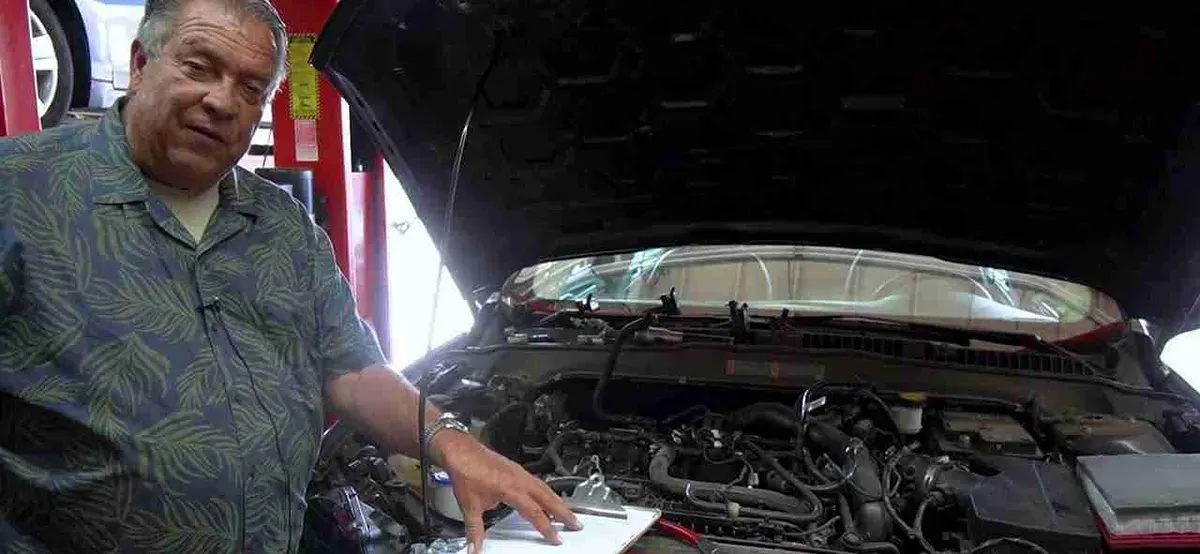
With the intake hose removed and the engine cool, we check the turbo shaft. Some side-to-side movement is normal in many designs, but the wheel should never touch the housing. In-and-out movement should be minimal. We look for bent or chipped wheel blades, oil pooled in the intake, and oil or coolant leaks at the turbo's supply and return lines. The wastegate or variable vane actuator gets a movement check.
What goes on the turbo report?
- Requested vs actual boost from the road test
- Boost leak test results and leak locations
- Shaft play and any wheel contact with the housing
- Blade damage, with photos
- Oil in the intake or intercooler
- Actuator movement and supply line leaks
Our turbocharger inspection steps
Step 1: Road test with data
Requested and actual boost are recorded under load.
Step 2: Pressure test
The intake side is pressurized to find boost leaks.
Step 3: Turbo check
Shaft play, blades and oil are inspected with the engine cool.
Step 4: Report
You get the findings, photos and an estimate.
What's included in a turbocharger condition inspection
Included on the work order
- 01Scan and boost data road test
- 02Intake pressure test for leaks
- 03Shaft play and blade inspection
- 04Oil and coolant line check
- 05Wastegate or vane actuator check
- 06Written report with photos
Need-now or need-later?
Need now: call
- A turbo wheel touching its housing
- Heavy oil in the intake or smoke from the exhaust
- An oil supply line leak near hot parts
Need later: book
- A small boost leak at a clamp with normal power
- Light oil film in the intake with normal shaft play
How pricing and timing work
Read next
Gas engines lead to turbocharger repair. Diesel owners should read diesel turbocharger repair. Intercooler leaks are covered under turbo intercooler repair. If power loss turns out not to be the turbo, performance issue analysis looks at the whole engine.
Frequently asked questions
Is some turbo shaft play normal?
Yes, a little side-to-side movement is normal in many designs because the shaft floats on oil. The warning signs are wheel contact with the housing and noticeable in-and-out movement.
Why is there oil in my intercooler?
A small amount can come from the crankcase ventilation system. A lot of oil can mean worn turbo seals or a blocked oil return. We check both before blaming the turbo.
Can you look at my diesel because it is hard to start?
Yes. Diesels are welcome. Hard starting is usually a fuel or glow plug issue rather than the turbo, and our diesel diagnostics cover that.