
On this page
A belt condition inspection at Route 66 Auto Repair in Upland checks the drive belt that turns your alternator, water pump, power steering and AC, plus the tensioner and pulleys that guide it. If your engine uses a timing belt, we review its service history too. A broken belt can stop the car and, on some engines, cause serious damage.
What are the signs of a worn belt?
- Squealing on a cold start or when the AC kicks on
- Chirping at idle
- Cracks across the ribs of the belt
- Shiny, glazed sides or missing chunks
- A tensioner arm that shakes or bounces
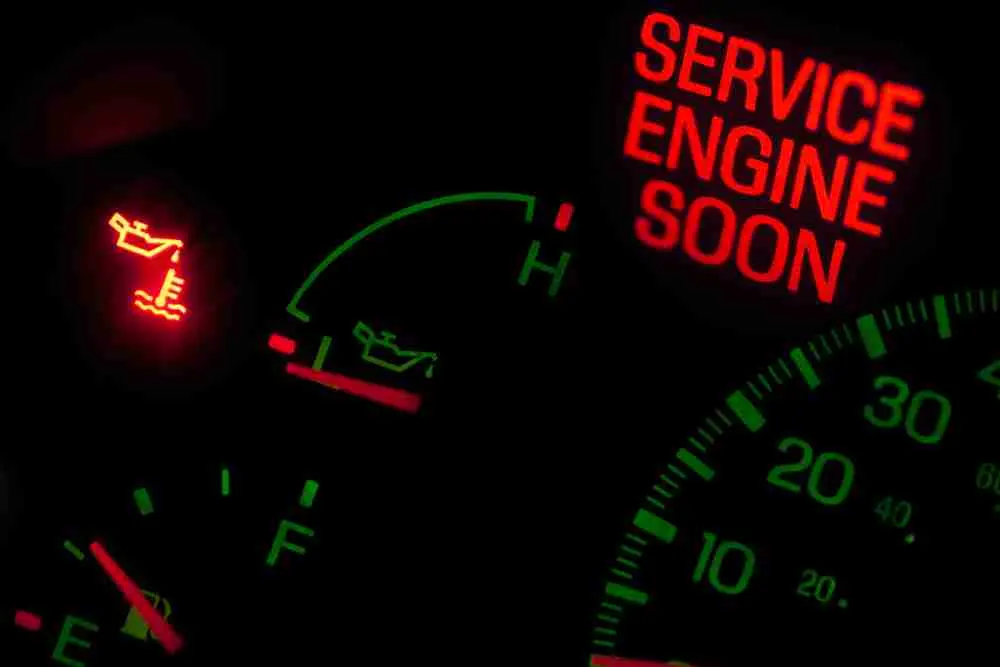
- Battery or temperature warnings along with belt noise
What do we look for besides cracks?
Modern belts are made of compounds that wear without cracking much, so a belt can look fine and still be worn out. We use a wear gauge that checks how deep the grooves have become. Glazing, frayed edges and oil or coolant on the belt all shorten its life.
A belt is only as good as the parts that drive it. We check the tensioner for smooth movement and correct tension, and spin each idler pulley for noise and wobble. A misaligned pulley chews the belt edge. Timing belts sit behind covers, so we rely on your records and the manufacturer's interval. A slipping belt can cause charging problems, which the alternator performance inspection covers, and belts deserve a look at every annual vehicle inspection.
How we inspect belts
Step 1: Listen
We start the engine and listen for squeal, chirp or bearing noise.
Step 2: Gauge and inspect
The belt is checked with a wear gauge and inspected along its full length.
Step 3: Tensioner and pulleys
Tensioner movement and pulley bearings are checked.
Step 4: Timing belt review
We review records and the interval on timing belt engines.
Step 5: Report
Findings and photos go on the report.
What's included in a belt condition inspection
Included on the work order
- 01Belt rib wear gauge check
- 02Crack, glaze and fray inspection
- 03Oil or coolant contamination check
- 04Tensioner movement and tension check
- 05Idler and accessory pulley check
- 06Timing belt interval review when equipped
Which findings are need-now, and which can wait?
Need now: call
- A belt with missing chunks or deep cracks
- A seized or loud pulley
- A timing belt past its interval on an engine where a break causes damage
Need later: book
- Minor surface cracks with good groove depth
- A light chirp with a healthy tensioner
How pricing and timing work
The inspection price is stated before we check. A drive belt is often a quick job, while tensioners, pulleys and timing belts add labor; the written estimate lists each part. See engine services for timing belt work.
Frequently asked questions
Should I spray something on a squealing belt?
Belt dressing can quiet a squeal for a while, but it hides the cause and can make the belt slip. The noise usually points to a worn belt, a weak tensioner or a bad pulley that should be checked.
What happens if my serpentine belt breaks?
You lose the alternator, and on many cars the water pump and power steering too. The engine can overheat quickly and steering gets heavy. Pull over safely and call for a tow.
How do I know whether my engine has a timing belt?
Your owner's manual will say, or we can check by VIN. Many engines use a timing chain instead, which usually lasts much longer but still needs attention if it becomes noisy.