
On this page
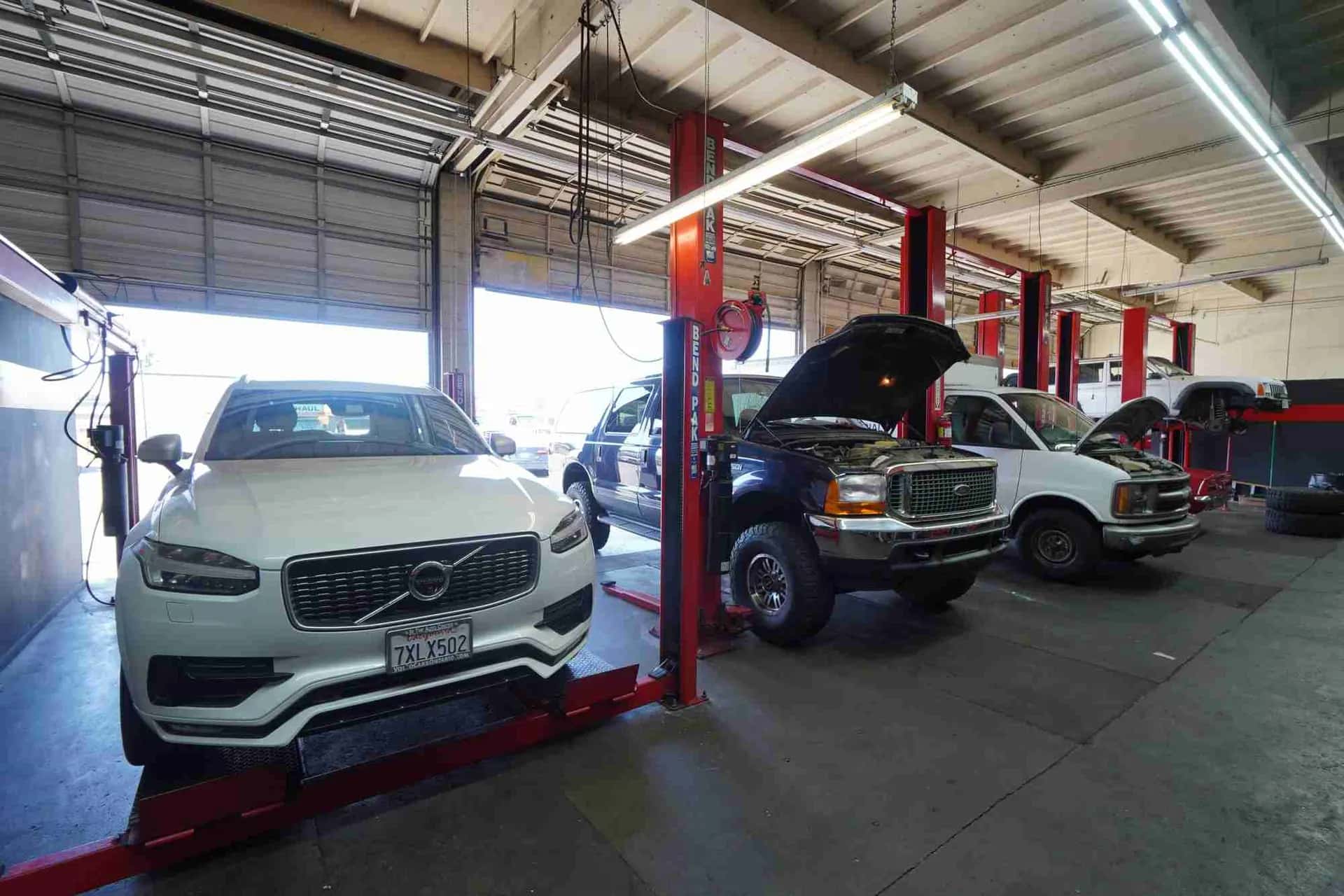
A suspension bushing inspection at Route 66 Auto Repair in Upland focuses on the rubber and polyurethane cushions that hold your control arms, sway bar and subframe in place. When bushings crack or tear, parts shift, and you feel clunks, wander and uneven braking. We check each bushing for movement and damage, photograph what is worn, and label each finding need-now or need-later in writing.
Signs of worn suspension bushings
- A clunk over speed bumps or when pulling into a driveway
- Steering that feels loose or wanders on the I-10
- The car shifts or nose-dives more than it used to under braking
- Tire wear on the inside or outside edge
- A squeak over bumps that gets worse in hot weather
How do we check bushings?
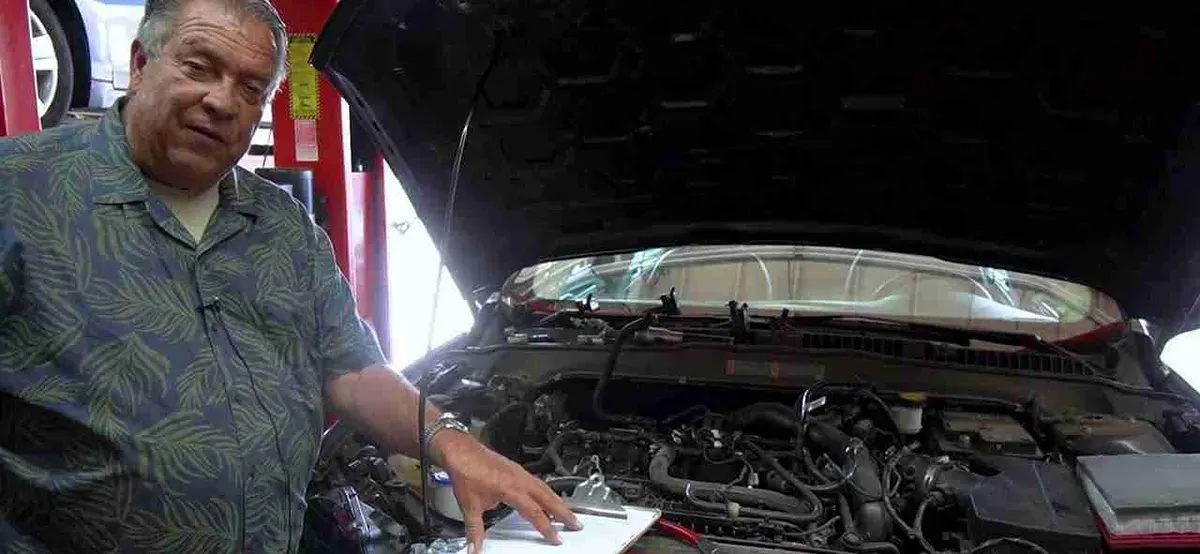
Bushings sit where metal arms meet the body, so they carry load and absorb vibration. On the lift, we look at each one for cracks, tears, rubber that has pulled away from its sleeve, and bushings soaked in oil, which softens rubber. Then we use a pry bar between the arm and its mount. A good bushing flexes and returns. A worn one lets the arm move visibly, sometimes with a knock.
Some bushing wear only shows under load, so we also watch while a helper rocks the vehicle or applies the brake. Sway bar bushings and end links get the same check. Because bushings on one side usually wear with the other side, the report notes both, even when only one is bad yet.
What the bushing report records
- Each bushing checked, by position
- Visible cracks, tears, separation or oil soaking
- Movement under a pry bar or braking load
- Related tire wear patterns
- Photos of every bushing marked for replacement
Our suspension bushing inspection steps
Step 1: Road test
We listen for clunks and feel for wander and brake shift.
Step 2: Lift inspection
Every reachable bushing is checked for cracks and separation.
Step 3: Pry and load test
Movement is checked with a pry bar and under brake load.
Step 4: Report
You get the findings, photos and an estimate sorted by urgency.
What's included in a suspension bushing inspection
Included on the work order
- 01Road test for clunks and wander
- 02Control arm bushing check, front and rear
- 03Sway bar bushing and end link check
- 04Subframe and strut rod bushing check where fitted
- 05Tire wear review
- 06Photos and written findings
Which bushing problems are urgent?
Need now: call
- A bushing torn through, letting a control arm shift
- Movement that makes the car pull under braking
- Bushing wear causing rapid tire damage
Need later: book
- Surface cracks with no measurable movement
- A mild squeak with firm bushings
How pricing and timing work
What to read next
Worn bushings lead to suspension bushing repair, or to control arm replacement when the arm and bushing come as one unit. Sway bar clunks are covered under sway bar link repair. If you want every suspension part checked, not just bushings, book the suspension inspection.
Frequently asked questions
Can worn bushings affect my tires?
Yes. When a bushing lets an arm shift, the wheel angle changes as you drive. That can wear the tire edges quickly. We note tire wear on the report so you can see the connection.
Should bushings be replaced in pairs?
Often, yes. The two sides wear at similar rates. The report shows both sides so you can decide, and the estimate lists each side separately.
Do I need an alignment after bushing replacement?
Usually. Replacing arms or bushings can change wheel angles. We arrange the alignment and road-test the vehicle afterward.