
On this page
A brake system inspection at Route 66 Auto Repair in Upland measures and records the condition of every part that stops your car. You get pad thickness, rotor condition, fluid condition and hose findings in writing, often with photos. The point is proof: before anyone quotes brake work, you can see the numbers that justify it, or the numbers that show it can wait.
What brake symptoms call for an inspection?
- Squealing that stays after the brakes warm up
- Grinding or a metal scrape when you stop
- A pedal that feels soft, sits low or pulses
- The car pulls to one side under braking
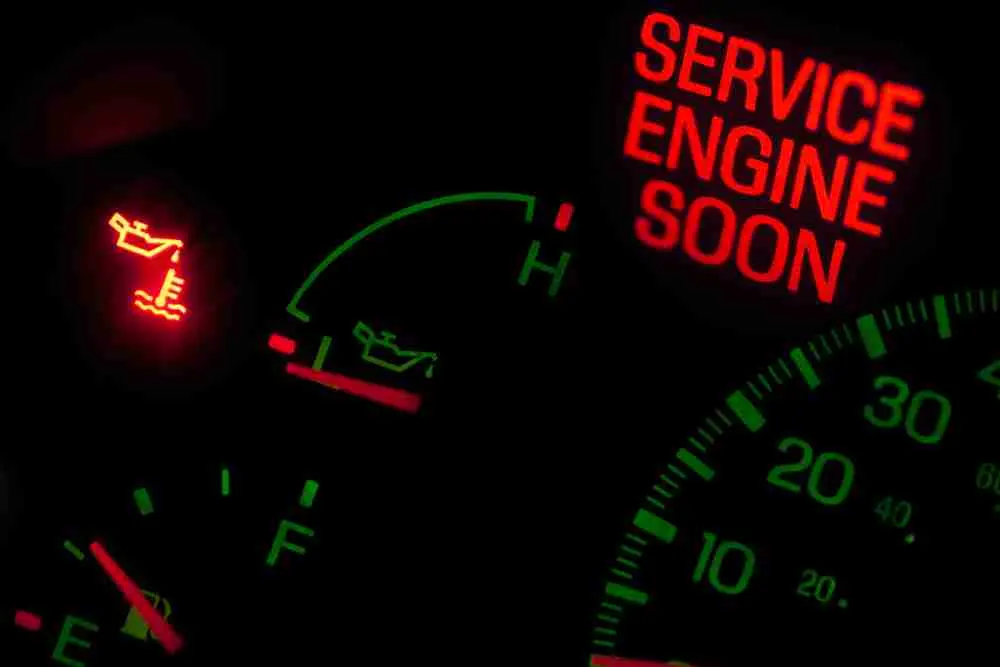
- A brake or ABS warning light on the dash
- Fluid spots on the inside of a wheel
What does the brake report document?
Each wheel gets its own line. We record inner and outer pad thickness, because a sticking caliper often wears one side far faster than the other. We note rotor scoring, heat spots and whether the surface is within the manufacturer's limit. Brake hoses are checked for cracks and swelling, and the steel lines for rust and leaks.
We also test the brake fluid for moisture, since water in the fluid lowers its boiling point on long downhill runs like the Cajon Pass. If the ABS (anti-lock brake system) light is on, a scan records the stored code and the wheel speed sensor readings. For the repair side, our brake services team takes it from there.
Readings are written against the accepted reference points. Pad lining is measured in millimeters, where general guidance treats roughly 3 millimeters as the planning point, and rotor thickness is compared with the minimum figure cast into each rotor rather than with a mileage estimate. Fluid moisture is commonly called due near 3 percent by volume. Those are broad industry numbers; the limits published for your vehicle are what the pass, watch or fail on your report is based on.
How we inspect and document your brakes
Step 1: Road test
We feel the pedal and listen for noise at normal and firm braking.
Step 2: Wheels off
Each wheel comes off so pads, rotors and calipers can be seen, not guessed at.
Step 3: Measure and photograph
Pad and rotor readings go on the report, with photos of anything worn or leaking.
Step 4: Fluid and ABS
We test fluid condition and scan the ABS module if a light is on.
Step 5: Explain
You see the readings and, if work is needed, a written estimate.
What's on the brake inspection report
Included on the work order
- 01Pad thickness at every wheel, inner and outer
- 02Rotor surface and wear notes
- 03Caliper and slide pin movement check
- 04Brake hose and steel line inspection
- 05Brake fluid moisture test
- 06ABS code scan when the light is on
- 07Photos of worn or leaking parts
Which findings are need-now, and which can wait?
Need now: call
- Pads at or below minimum, or metal-to-metal contact
- A leaking caliper, hose or line
- A pedal that sinks toward the floor
Need later: book
- Pads with usable life left
- Fluid that is due for a flush but still tests acceptable
How pricing and timing work
The inspection price is stated before we start. Brake jobs vary with the vehicle and with whether rotors, calipers or hoses are involved, so the written estimate lists each part on its own line. Brake findings often line up with tire wear, so we note the tire inspection results as well. There is a companion brake system inspection page in our brake section.
Frequently asked questions
Can you see my brake pads without taking the wheels off?
Sometimes the outer pad is visible through the wheel, but the inner pad often wears faster and hides behind the rotor. We take the wheels off so the measurement is real, not an estimate from a glance.
Can I see my old brake parts?
Yes. If we replace them, the old parts can be shown to you. We photograph worn pads and damaged rotors when the part is the point, so you can compare them with the new ones.
Why does my ABS light matter if the brakes still work?
Normal braking may still work, but the anti-lock function that keeps the wheels from locking in a panic stop may be switched off. That is a real safety concern, especially on a wet 10 freeway.