
On this page
An electrical system inspection at Route 66 Auto Repair in Upland measures how well your car makes, stores and uses power, and puts each result in a written report. We test the battery, charging output, starter draw, main grounds and lighting, and scan the modules. The report shows what is healthy today and what is likely to cause trouble next.
Why get an electrical inspection?
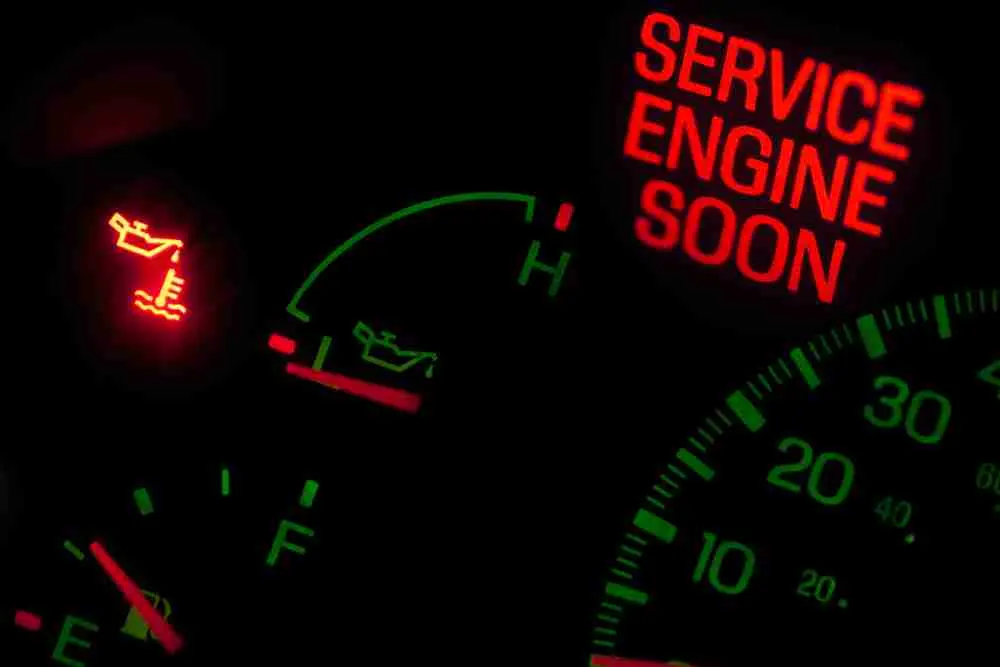
- Headlights that dim or flicker at idle
- Slow cranking on hot afternoons
- A battery that has needed a jump more than once
- Accessories that work some days and not others
- Before a long trip, or after adding trailer wiring or an aftermarket stereo
Which readings go on the report?
The report lists numbers, not impressions: battery state of charge and a load test result, charging voltage at idle and with the lights, fan and defroster on, and starter current draw during cranking. We also measure voltage drop across the main positive and ground cables, which reveals corrosion you cannot see. Every exterior light is checked, and the body and power modules are scanned for stored faults.
If the battery keeps dying overnight, we can add a parasitic draw test, which measures how much current the car uses while parked. That test takes longer, so it is quoted separately. When a single fault needs chasing, it moves to electrical system diagnostics. The repair-focused sister page is electrical system inspection.
How we inspect your electrical system
Step 1: Battery test
We check state of charge and run a load test.
Step 2: Charging test
Alternator output is measured under several electrical loads.
Step 3: Starting and grounds
Starter draw and cable voltage drop are recorded.
Step 4: Lights and scan
Every exterior light is checked and the modules are scanned.
Step 5: Report
Readings are written up with pass, watch or fail results.
What's on the electrical inspection report
Included on the work order
- 01Battery state of charge and load test
- 02Charging voltage under load
- 03Starter current draw
- 04Main cable and ground voltage drop
- 05Exterior lighting check
- 06Module scan for electrical codes
- 07Written report with every reading
Which findings are need-now, and which can wait?
Need now: call
- A battery that fails its load test
- Charging voltage too low to keep up
- A melted or overheated connector
Need later: book
- Light terminal corrosion
- A single burned-out marker bulb
How pricing and timing work
The inspection price is stated before testing, and a parasitic draw test is quoted on its own if you need one. Repairs are estimated in writing. For single-component detail, see the battery condition inspection and the alternator performance inspection.
Frequently asked questions
Why does heat kill batteries here?
Heat speeds up the chemical wear inside a battery. Inland Empire summers shorten battery life, and the failure often shows up on the first cool morning in fall, when the weakened battery has to crank a cold engine.
Can an aftermarket accessory drain my battery?
Yes. Dash cams, stereos, trailer wiring and trackers can draw power with the car off if they are wired to the wrong circuit. A parasitic draw test measures the current and finds which circuit it comes from.
Do you inspect hybrid electrical systems?
Tell us it's a hybrid at intake and we'll explain what we can take on. The 12-volt side of a hybrid can usually be tested much like any other car.