
On this page
A wiring condition inspection at Route 66 Auto Repair in Upland looks at the harnesses, connectors and add-on wiring in your vehicle for damage before it causes a failure. Rodents, heat, rubbing and old accessory installs are the usual culprits. We inspect the harness runs you can reach, test suspect circuits, photograph damage and write down what needs repair now and what can be watched.
When should you have your wiring inspected?
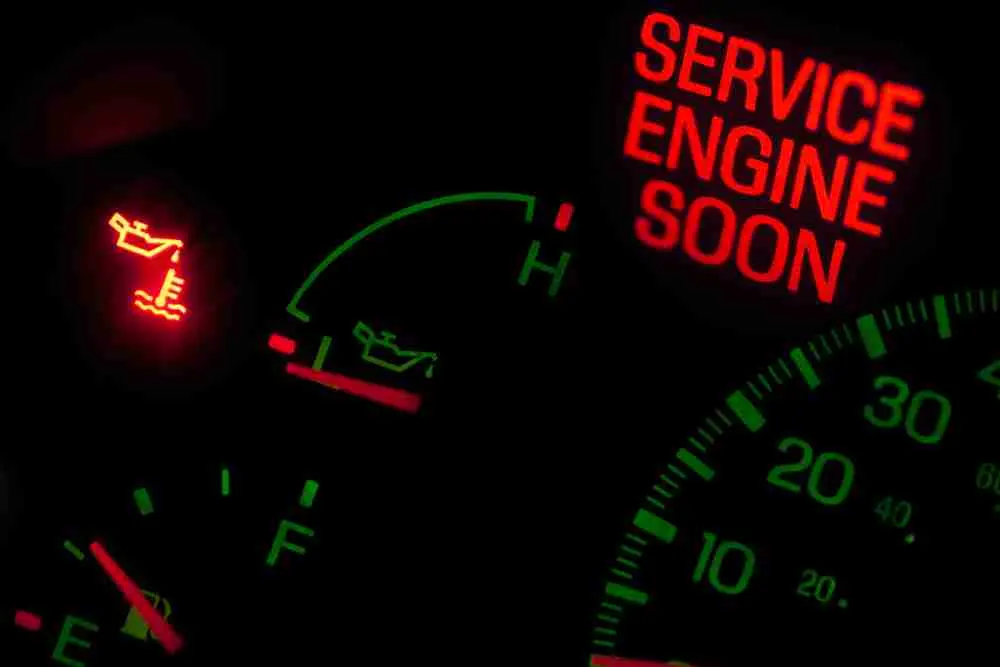
- The car sat for weeks and now shows several warning lights at once
- You found chewed insulation, nesting material or droppings under the hood
- An old stereo, alarm or trailer wiring kit was installed by a previous owner
- Lights or accessories work only when you hit a bump
How do we inspect wiring condition?
We follow the main harness runs under the hood and underneath: along the firewall, near the exhaust, past the suspension and to the lights. Rodent damage shows as clean bite marks and bare copper. Heat damage shows as brittle, discolored insulation near hot parts. Chafe damage appears where a harness rubs a bracket or body edge, often worn flat on one side.
Connectors get a look for green corrosion, pushed-back pins and cracked locks. Add-on wiring gets special attention: tapped splices, missing fuses and wires routed through sharp holes are common trouble spots. Where a circuit is suspect, we do a wiggle test with a meter connected and a voltage drop test under load. We ask before opening wrapped harness sections.
What goes on the wiring report?
- Each damaged section, with location and cause: rodent, heat, chafe or add-on
- Unfused or poorly spliced aftermarket wiring
- Circuits tested and their results
- Photos of every damaged area
- Sections we could not reach without removing trim
How a wiring condition inspection works
Step 1: History and scan
We ask what changed, and scan for codes that point to a circuit.
Step 2: Follow the harness
We inspect reachable harness runs and connectors under the hood and car.
Step 3: Test suspect circuits
Wiggle and voltage drop tests confirm what the eye suggests.
Step 4: Photograph and report
You get photos and a written list sorted by urgency.
What's included in a wiring condition inspection
Included on the work order
- 01Scan for circuit-related codes
- 02Visual check of main harness runs and connectors
- 03Rodent, heat and chafe damage search
- 04Wiggle and voltage drop tests on suspect circuits
- 05Photos and written findings
What wiring damage is need-now?
Need now: call
- Bare copper near metal, fuel lines or the exhaust
- Damage to airbag, ABS or engine control wiring
- Unfused accessory wiring running to the battery
Need later: book
- Insulation that is aging but intact
- Minor chafe on a loom cover with the wires undamaged
How pricing and timing work
Read next
Damaged sections lead to wiring harness repair or wiring harness insulation repair when the copper is intact. A circuit that shorts or blows fuses needs electrical short circuit repair. For a whole-vehicle look at battery, charging and lights, book the electrical system inspection.
Frequently asked questions
Why do rodents chew car wiring?
Engine bays are warm and sheltered, and some wire insulation is attractive to chew. Cars parked for long stretches are the most at risk. We note the signs so you can take steps at home, like moving food sources away.
Can you just tape the chewed wires?
Tape is not a lasting repair. We splice and seal damaged wires so moisture and heat do not undo the fix. The estimate shows the method for each section.
Will you remove my old alarm or stereo wiring?
We can, once it is inspected. Unused add-on wiring is often a source of drain or shorts. We list it on the report and quote removal before touching it.