
On this page
A cooling system inspection at Route 66 Auto Repair in Upland documents how well your engine sheds heat. We pressure-test the system for leaks, check coolant strength, and confirm the fan, thermostat and water pump are doing their jobs. The written report shows the weak point before a climb up the Cajon Pass or a hot crawl on the 10 finds it for you.
When should you have the cooling system inspected?
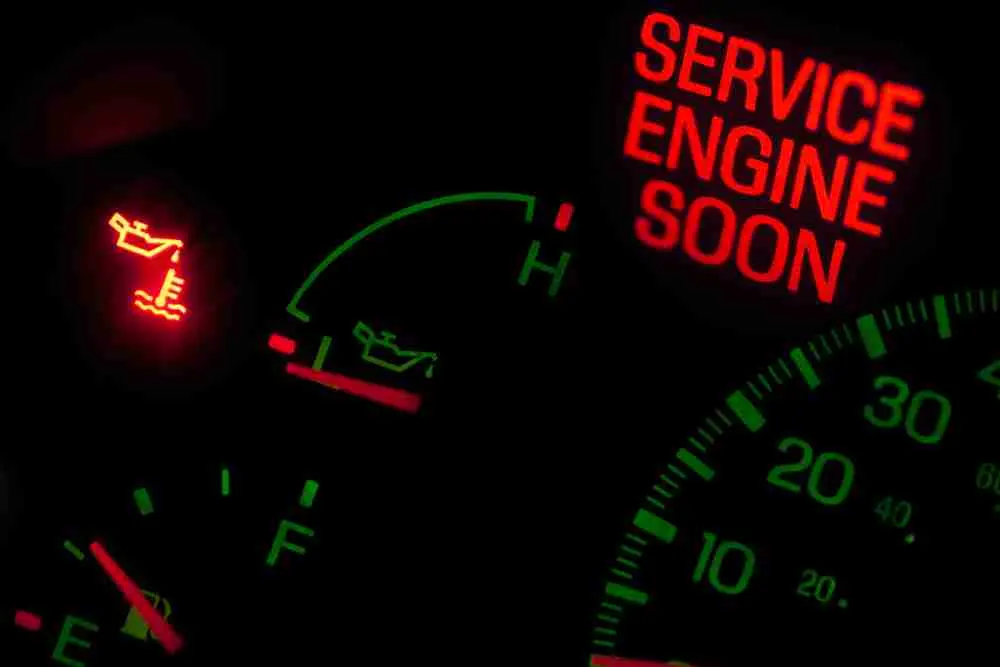
- The temperature gauge climbs in traffic and drops on the freeway
- A sweet smell after driving
- Green, orange or pink drips under the front of the car
- A coolant reservoir that keeps going low
- AC that weakens when the engine is hot
- Before summer, towing or a long mountain drive
What does the cooling report show?
The pressure test is the heart of it. We pressurize the cooling system to its operating level and watch the gauge. A drop means a leak, and we trace it to a hose, the radiator, the water pump or a heater connection. We test the radiator cap as well, since a weak cap lets coolant boil sooner.
Beyond leaks, we record coolant protection, check for oil or debris in the coolant, and confirm the electric fans switch on at the right temperature. With a scan tool, we watch the engine warm up and the thermostat open. The repair-focused version is our cooling system inspection page, and the radiator condition inspection looks at that one part closely.
How we inspect and document your cooling system
Step 1: Cold check
Coolant level and condition are checked with the engine cold.
Step 2: Pressure test
The system and cap are pressure-tested, and leaks are traced.
Step 3: Warm-up watch
Thermostat opening and fan operation are confirmed with live data.
Step 4: Visual inspection
Hoses, radiator, water pump and belt are inspected.
Step 5: Report
Findings are written up, with photos of any leak.
What's on the cooling system report
Included on the work order
- 01Cooling system pressure test
- 02Radiator cap pressure test
- 03Coolant strength and contamination check
- 04Thermostat and fan operation check
- 05Hose, radiator and water pump inspection
- 06Leak photos when found
- 07Written cooling report
Which findings are need-now, and which can wait?
Need now: call
- An engine that overheats
- An active coolant leak
- A cooling fan that never turns on
Need later: book
- Coolant due for service but still protecting
- A hose that is firm but shows surface cracks
How pricing and timing work
The inspection price is stated at the counter before testing. Cooling repairs are listed separately on a written estimate. Because AC and radiator problems are linked, we often check both; see cooling, heating and AC services for repair options.
Frequently asked questions
What should I do if my car starts overheating?
Turn off the AC, turn the heater to full to pull heat from the engine, and pull over when it is safe. Never open a hot radiator cap. Call us at (909) 646-4111; we accept tow-ins.
Why does my car only run hot in traffic?
At freeway speed, air flows through the radiator on its own. In traffic, the fan has to do that work. A car that only runs hot when stopped often has a fan, fan relay or airflow problem.
Can a cooling problem affect my AC?
Yes. The AC condenser sits in front of the radiator and shares the fan. A weak fan can make both the engine and the AC struggle in stop-and-go driving.