

On this page
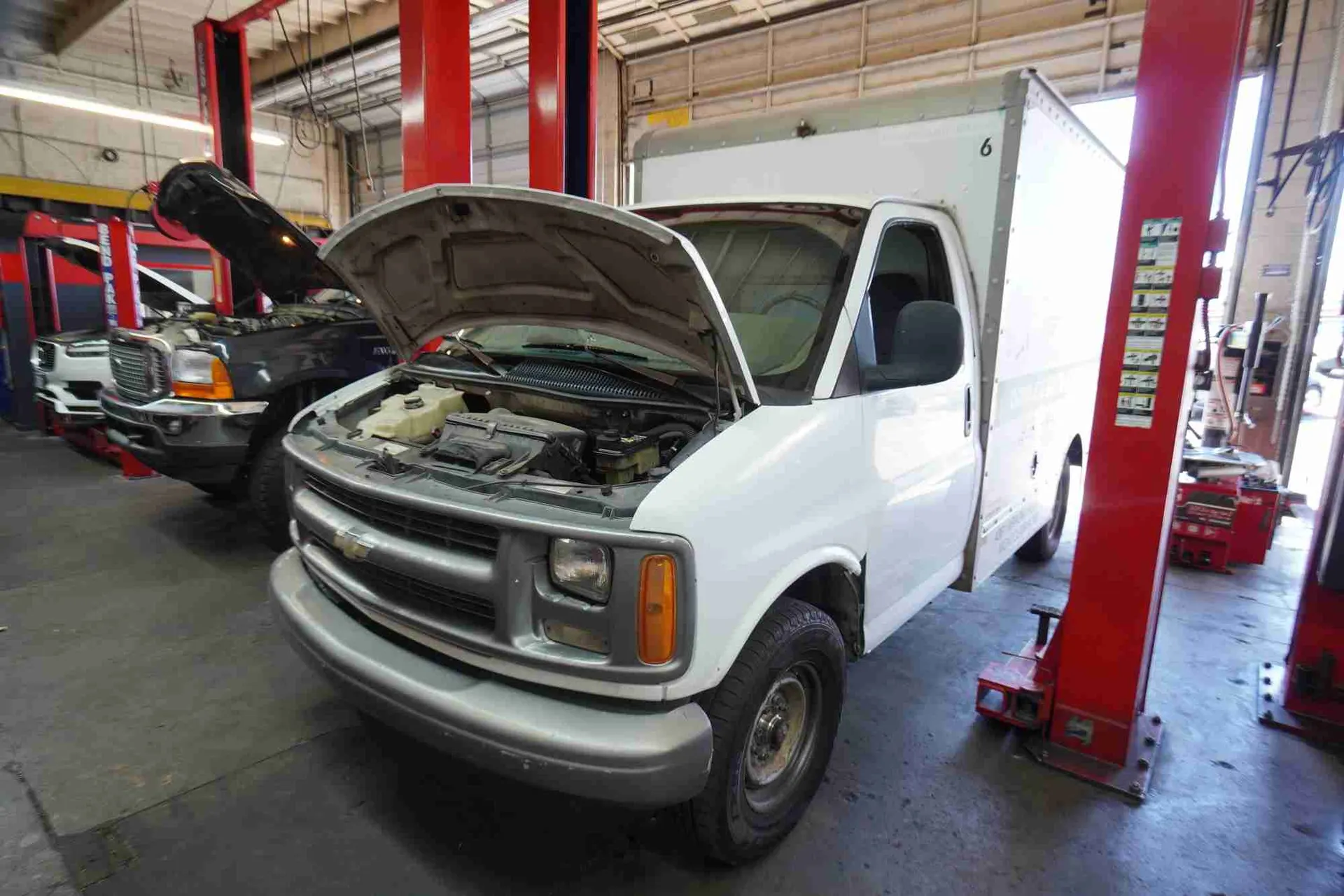
A cooling system inspection is a planned look at the radiator, hoses, fans, cap, water pump area and coolant before a problem leaves you on the shoulder. Route 66 Auto Repair in Upland does it with the engine cold and again at operating temperature, and you get a written list sorted into need-now and need-later. It is the check to book before July heat, a move with a loaded trailer or a drive over the Cajon Pass.
Who should book a cooling inspection?
- Drivers with an older vehicle and no record of the last coolant service
- Anyone planning to tow, haul a trailer or climb a long grade in summer
- Owners who just bought a used car and want a baseline
- Commuters who sit in Foothill Blvd or 10 freeway traffic with the AC on
- Fleet vehicles due for their scheduled PM visit
How is an inspection different from a diagnosis?
A diagnosis starts with a complaint, such as a climbing gauge or a puddle, and chases it to a cause. An inspection starts with no complaint. We look at every part of the system for wear that has not caused a symptom yet: a hose that has gone soft at one end, a fan that runs but slowly, a shroud tab that has cracked, coolant that has turned rusty.
If you already have overheating or a leak, a targeted coolant leak repair visit is the faster route. Buying a car? The pre-purchase vehicle inspection covers cooling along with the rest of the vehicle.
Our cooling system inspection process
Step 1: Cold walkaround
With the engine cold, we open the cap, check coolant level and color, and squeeze every hose we can reach.
Step 2: Pressure hold
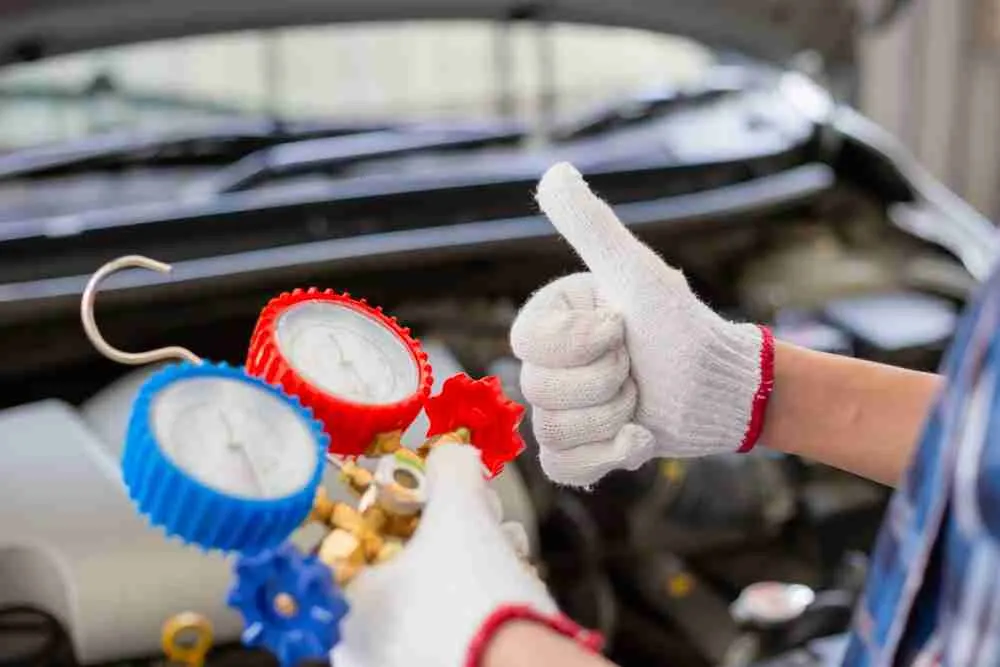
The system is pressurized with a hand tester and watched for drops or seepage at joints.
Step 3: Warm run
The engine is brought to temperature while we watch the thermostat opening, fan engagement and scan-tool temperature data.
Step 4: Write it up
Findings go on the repair order with need-now and need-later labels, and photos of anything worn.
What's included in a cooling system inspection
Included on the work order
- 01Coolant level, color and protection reading
- 02Radiator, hoses and clamps checked by hand and by eye
- 03Cap and system pressure test
- 04Fan operation at temperature, electric or belt-driven
- 05Water pump weep hole and drive belt check
- 06Written findings sorted by urgency
What counts as need-now after an inspection?
Need now: call
- Active drip or a pressure drop during the hold test
- A fan that does not come on at temperature
- A hose that is split, bulging or oil-soaked
Need later: book
- Coolant that is due for service but still protecting
- Light corrosion on clamps with no seepage
- A drive belt with early cracking
How pricing and timing work
After the inspection
Keep the report in the glovebox. Items marked need-later have a reason and a rough timeframe written next to them, so you can plan instead of guess. Declined work stays on the repair order, which helps the next technician see the history. Call (909) 646-4111 when you are ready to schedule any of it.
Frequently asked questions
How often should I get the cooling system inspected?
A good habit is once a year, ideally in spring before the Inland Empire heat, and before any long tow. Older vehicles and those that sit in heavy traffic benefit from a look at every oil service too.
Will you fix things during the inspection?
No. The inspection ends with a written list. Repairs only start after you approve a written estimate, so you decide what gets done and when.
Does the inspection check the AC too?
It checks the fans and the condenser area in front of the radiator, since they share airflow. A full AC test is its own service, and AC work always includes a leak test before any recharge.