
On this page
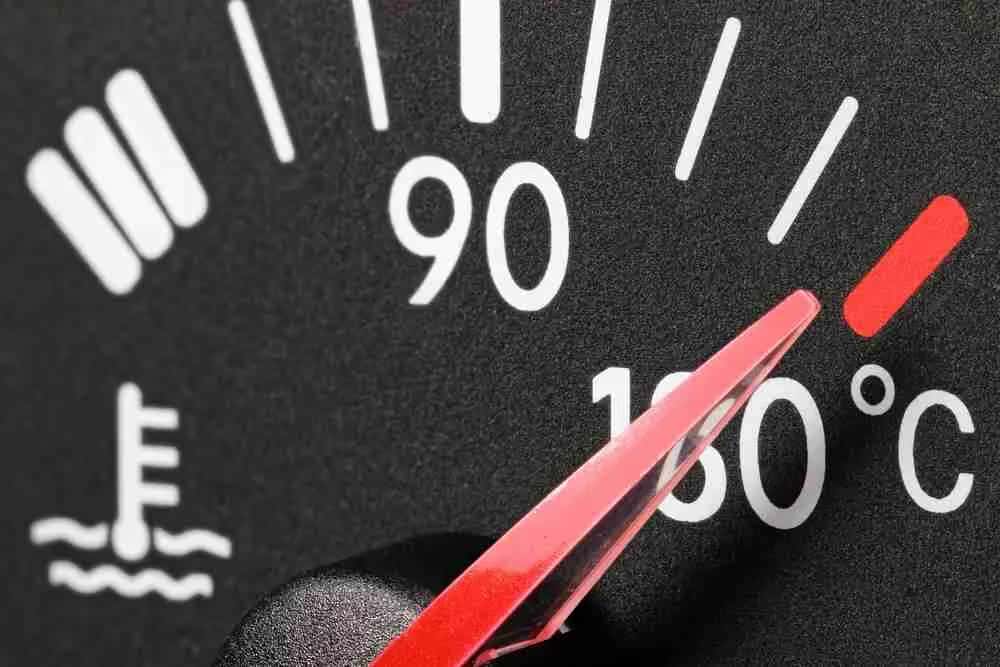
A radiator sheds the heat your engine makes, and when it leaks or clogs, the temperature gauge tells you fast. Route 66 Auto Repair in Upland tests the radiator under pressure, photographs the failure, and tells you plainly whether a repair makes sense or a new unit is the smarter spend. ASE-certified technicians do the work, and a written estimate comes first. If the car already overheated, start with our overheating and cooling diagnostic.
What are the signs your radiator is failing?
- Green, orange or pink crust along the seam where the tank meets the core
- A coolant puddle under the front of the car, centered behind the grille
- Gauge that climbs in Foothill Blvd stop-and-go but settles on the freeway
- Tank plastic that has turned brown or shows hairline cracks near the necks
Can a radiator be repaired, or does it need replacing?
It depends on where it failed. A leaking drain petcock, a loose hose neck clamp or a weeping tank gasket on some designs can be fixed on the car. A cracked plastic tank, a core that leaks between tubes, or a core that is clogged inside usually means a new radiator, because patching those tends to buy weeks, not years.
Heat is the enemy here. Summer heat and long pulls up the Cajon Pass age the plastic fast. When a tank is brittle, we show you the photo instead of sealing one crack while the next one forms.
Our radiator repair process
Step 1: Pressure check
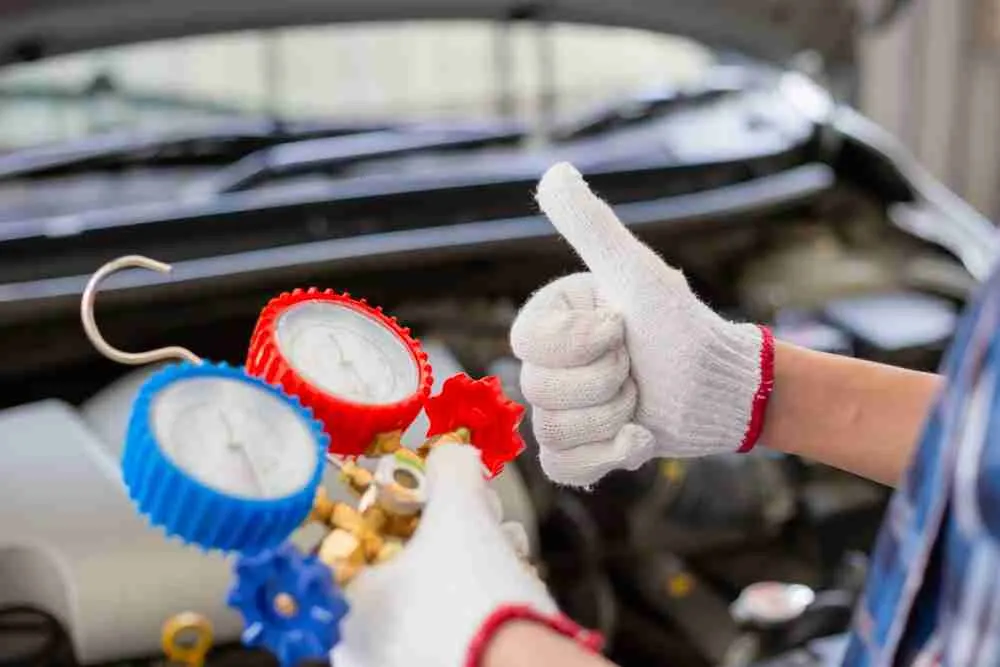
We pressurize the cold system and watch the tanks, seams, necks and core for seepage.
Step 2: Flow and temperature look
An infrared reading across the core shows cold spots that point to blocked tubes.
Step 3: Written decision
You get the leak point, a photo and a repair or replace recommendation before any parts are ordered.
Step 4: Repair and road test
After the work we refill, bleed the air out, and drive the car until the fan cycles.
What's included in radiator repair
Included on the work order
- 01Cooling system pressure test before and after
- 02Photo of the failed tank, seam or fitting
- 03Radiator repair or replacement as quoted
- 04New hose clamps at disturbed connections
- 05Coolant your engine specifies, filled and bled
- 06Road test with fan cycle confirmed
Is it a need-now or need-later repair?
Need now: call
- Active drip or a reservoir that empties in a day or two
- Temperature gauge above normal at any point
- A crack you can see in the tank plastic
Need later: book
- Light dried crust at a seam with a steady coolant level
- Discolored but uncracked tanks on an older car
How pricing and timing work
Aftercare
Check the reservoir cold for the first few mornings and top up only to the line. Watch the gauge on your first long climb. If you see a drip or the level falls, call (909) 646-4111; comebacks go to the front of the line. A radiator hose replacement may be listed as a later item if the old hoses were tired.
Frequently asked questions
Can you just use stop-leak on my radiator?
We do not recommend it. Stop-leak can plug small tubes in the radiator and the heater core, which turns a single repair into two. A cracked plastic tank will not seal with it anyway.
Should I replace the radiator if it's the original one on a high-mileage car?
Not by mileage alone. If it holds pressure, flows evenly and the tanks are not brittle, it can stay. We note its condition on the repair order so you can plan ahead.
Do you replace the radiator on trucks and diesels?
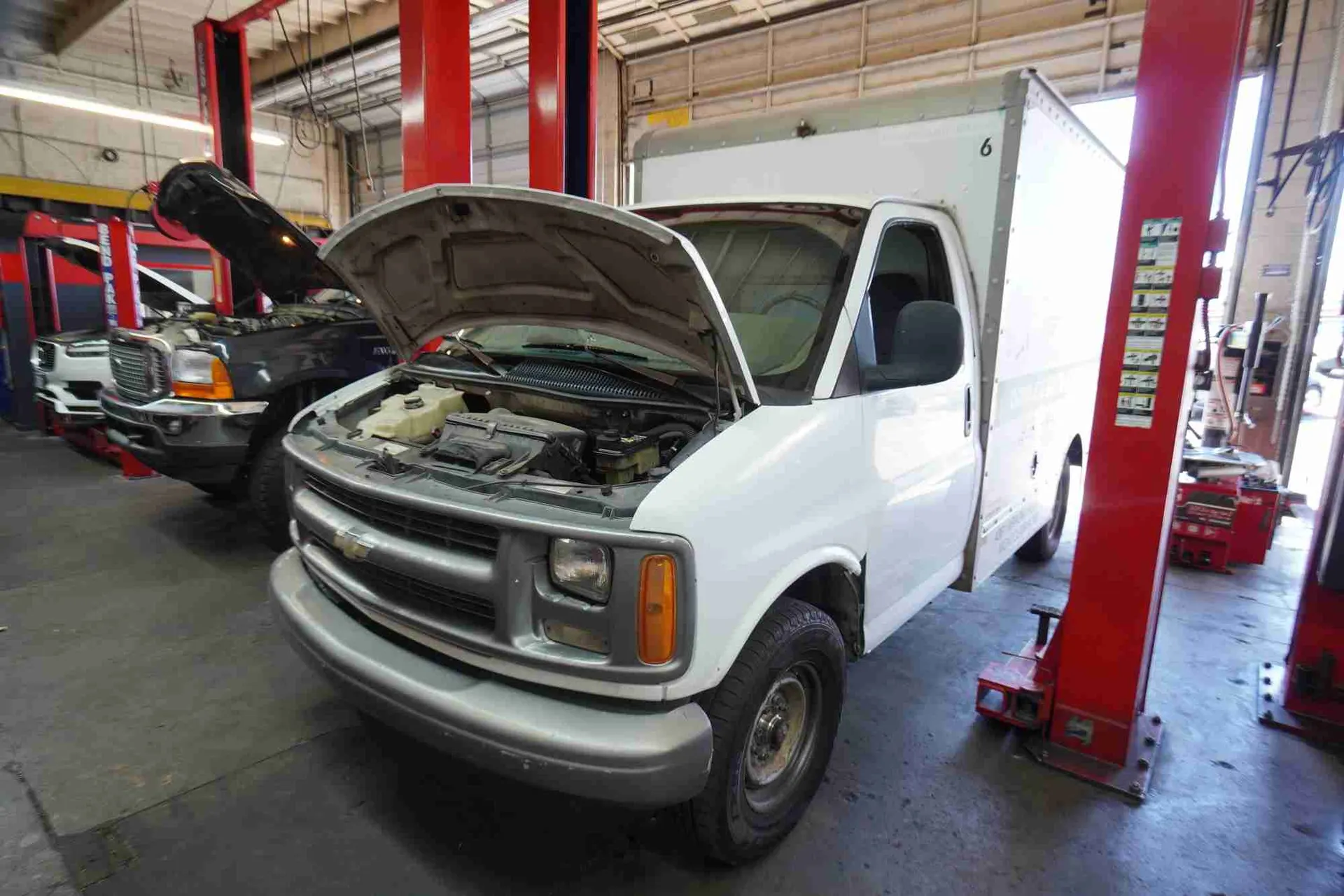
Yes. Diesels are welcome. Larger radiators and transmission cooler connections add time, and your written estimate shows every step.