
On this page
The core is the grid of thin tubes and fins that does the actual cooling. When it clogs or leaks between tubes, Route 66 Auto Repair in Upland explains your options: a new core fitted to your existing tanks, common on classic cars and heavy trucks, or a complete new radiator, which is usually the answer on modern cars. We show you the temperature scan and the leak before recommending either.
What are the signs of a failing radiator core?
- Cold bands across the radiator face when the engine is hot
- Overheating while towing or climbing even with a good fan and thermostat
- Coolant seeping from between tubes, not from the tanks
- Fins that crumble when touched
- Heavy scale visible inside the filler neck
Should you re-core or buy a complete radiator?
Re-coring makes sense when the tanks are metal and sound, the radiator is hard to find, or originality matters, such as on a classic or a vintage truck. It also suits larger commercial radiators where the tanks are worth keeping. Your written estimate shows every step and the time it adds.
Most cars built in recent decades use plastic tanks crimped to an aluminum core. Those are rarely re-cored; a complete radiator costs less and fits faster. We tell you which path makes sense and why.
Our radiator core replacement process
Step 1: Confirm the core
A temperature scan and pressure test show whether the core, not a tank, is the problem.
Step 2: Choose the path
You get a written comparison of re-core versus complete radiator for your vehicle.
Step 3: Remove and install
The radiator comes out, the chosen repair is done, and it goes back in with new clamps.
Step 4: Test under load
We fill, bleed and road-test, including a climb when practical.
What's included in radiator core replacement
Included on the work order
- 01Infrared temperature scan of the core
- 02Pressure test to separate core and tank leaks
- 03Written re-core versus replacement comparison
- 04Radiator removal and reinstallation
- 05Coolant fill with the specified type and air bleed
- 06Road test with temperature monitoring
Is it a need-now or need-later repair?
Need now: call
- Leak from the core or overheating under load
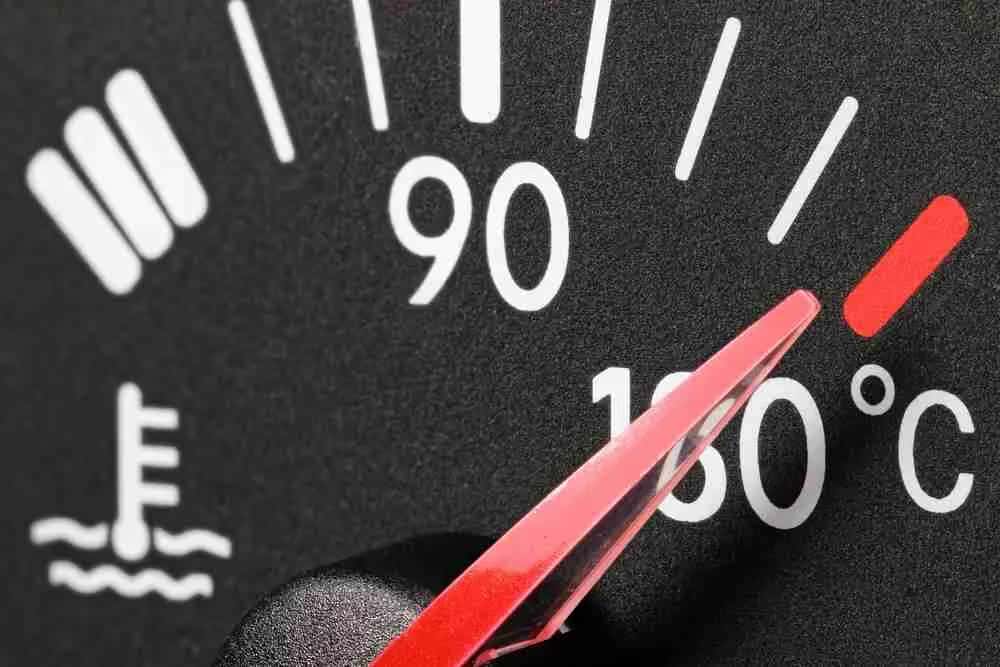
- Classic car running hot at idle on warm days
Need later: book
- Partial cold spots with normal gauge readings
- Aging core on a car used only for short trips
How pricing and timing work
A complete radiator is usually the faster path. A re-core takes longer because the core is built to fit your tanks, and the estimate shows that timing. Price depends on size, row count and the vehicle. For modern cars, compare with our radiator repair page. If a sticking thermostat is part of the heat problem, it is quoted as its own line.
Aftercare
Watch the gauge on the first hot day and the first long pull. Check the level cold for a week. Classic owners should note that fresh coolant and a clean core can change how the gauge sits; that is normal. See our cooling system flush page for keeping a new core clean.

Frequently asked questions
Can a clogged core be cleaned instead?
Light deposits sometimes flush out. A core with blocked tubes rarely recovers fully, and we tell you if the temperature scan still shows cold bands after a flush.
Will a new core cool better than the original?
A clean core restores the original capacity. Higher-capacity cores exist for some vehicles; we explain fit and cost if you ask.
Do you work on classic car radiators?
Yes. For a classic or vintage vehicle, call first and we will tell you honestly if the job is a fit, then plan parts time at intake.