
On this page
A transfer case inspection at Route 66 Auto Repair in Upland checks the gearbox that splits power between the front and rear axles on four-wheel and all-wheel-drive vehicles. Trouble shows up as a 4WD light, a mode that will not engage, a grinding noise or binding in tight turns. We check the fluid, test every mode, scan the control module and put the findings in writing.
When to book a transfer case inspection
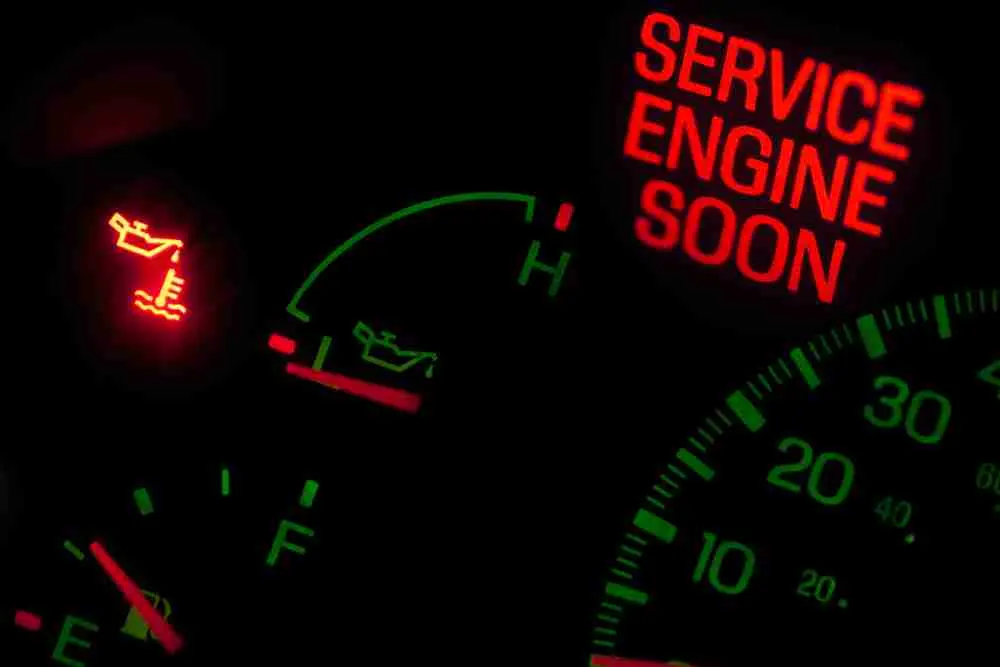
- The 4WD or AWD light flashes, or the mode will not engage
- Binding or hopping in tight parking-lot turns on dry pavement
- A grinding or chain-slap noise from the middle of the truck
- Fluid leaks near the back of the transmission
- You are heading to the mountains or desert and have not used 4WD in a year
How do we inspect a transfer case?
First we check fluid level and condition at the fill plug. Transfer cases often use a different fluid than the transmission, and the report names the one your vehicle specifies. Metal paste on the drain plug magnet is noted, and so is any burnt smell. We check the input and output seals and the case halves for leaks.
Then we test the modes. On electronic systems, we scan the transfer case module for codes and watch the shift motor's position data while selecting each mode. On manual lever systems, we check the linkage. A road test in 4WD lets us listen for chain slap. Binding in turns on dry pavement is a common sign of a worn clutch pack in AWD units or of a system stuck in 4WD.
What the transfer case report shows
- Fluid level, condition and the fluid type specified
- Leaks at seals and case halves
- Module codes and shift motor data on electronic units
- Results of each mode test
- Road test notes on chain noise or binding
- Photos of leaks or metal debris
Our transfer case inspection process
Step 1: Scan
We read the transfer case and body modules for codes.
Step 2: Fluid and leaks
Level, condition and seals are checked on the lift.
Step 3: Mode test
Each drive mode is selected and confirmed.
Step 4: Road test and report
We listen for noise and binding, then write up the results.
What's included in a transfer case inspection
Included on the work order
- 01Module scan and shift motor data
- 02Fluid level and condition check
- 03Seal and case leak inspection
- 04Test of each drive mode
- 05Road test for noise and binding
- 06Written findings with photos
Need-now or need-later?
Need now: call
- Binding in turns that strains the driveline
- Very low fluid or heavy metal debris
- A mode stuck engaged
Need later: book
- A slow-to-engage mode that works on a second try
- A light output seal seep with correct level
How pricing and timing work
What to read next
Worn fluid leads to a transfer case fluid change. For noise, leaks or shifting problems, see transfer case service and transfer case chain replacement. The rest of a 4WD driveline is covered by the drive shaft inspection and the differential fluid inspection.
Frequently asked questions
Why does my truck hop in tight turns?
In part-time 4WD, the front and rear axles are locked together. On dry pavement they cannot slip, so the tires scrub and hop. If it happens in 2WD, something is stuck engaged, which we check.
How often should I use 4WD?
Many owner's manuals suggest engaging it briefly now and then, on a surface where that is safe, to keep parts moving. Check yours for the exact advice.
Can mismatched tires hurt the transfer case?
Yes. Tires of different sizes or wear levels can strain AWD and 4WD systems. We note tire differences on the report.