
On this page
When a circuit in your car quits, Route 66 Auto Repair in Upland traces it from the fuse to the part and back to ground, then fixes the actual break. That might be a chafed wire, a burned connector or a failed switch. Our ASE-certified technicians work from factory wiring diagrams and a meter, not guesswork. You approve a written estimate before any repair begins.
What electrical faults do we repair most?
- A fuse that blows again right after it is replaced
- Gauges or dash lights that flicker over bumps
- Accessories that died after an aftermarket stereo, alarm or light bar went in
- Corroded connectors near the wheels or under the battery tray
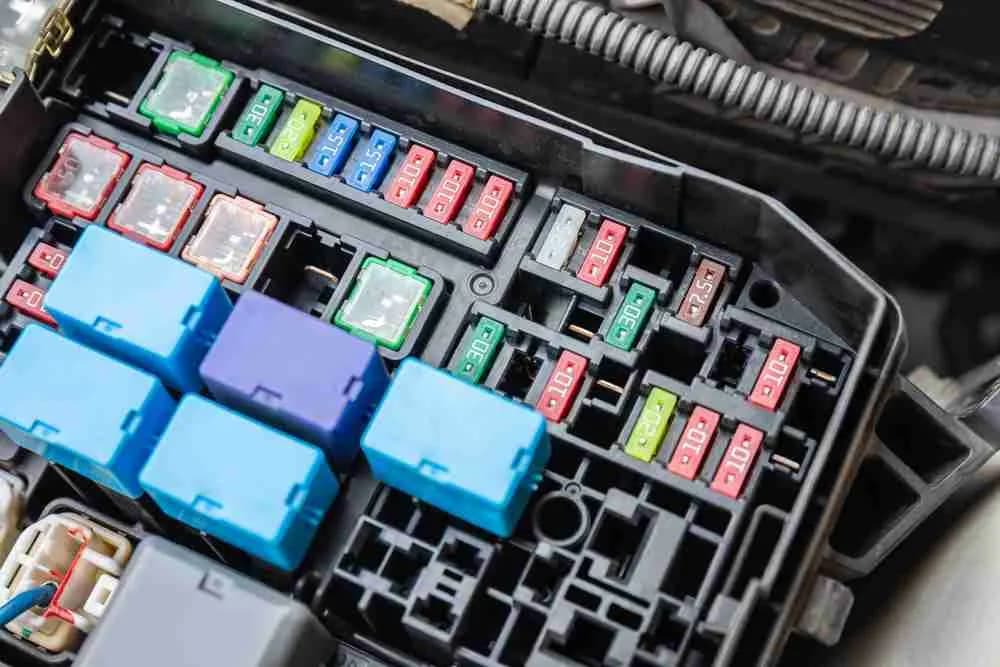
- Melted connectors at high-current parts such as the blower motor or cooling fan
How do we trace an electrical fault?
Every circuit has a source, a load and a return path, and a weak return path is its own job, covered under electrical ground repair. We pull the diagram for your exact vehicle and test along the path with the circuit working. For an intermittent fault, we flex harnesses while watching the meter.
Aftermarket installs deserve extra attention. Tapped wires, twist-and-tape joints and accessories wired to the wrong fuse cause many of the faults we see. When the fix involves a short, our short circuit repair page goes deeper, and harness damage is covered under wiring harness repair.
Repair or replace the wiring?
Most damaged wires can be repaired with correct-gauge wire and a sealed splice. When damage runs the length of a harness, replacing the section is often the more honest choice. The estimate shows both options when both are real.
Our electrical repair process
Step 1: Confirm the fault
We operate the circuit and see the failure for ourselves.
Step 2: Diagram and test
Using the wiring diagram, we measure voltage and ground along the path until the break shows.
Step 3: Estimate
You get a written estimate. If more damage turns up once panels are off, we stop and ask again.
Step 4: Repair and seal
Splices are soldered or crimped, sealed, and the harness is secured away from edges and heat.
Step 5: Retest
The circuit is load tested, related codes are cleared and the car gets a road test.
What's included in an auto electrical repair
Included on the work order
- 01Circuit test with the vehicle-specific wiring diagram
- 02Fuse and relay check for the affected circuit
- 03Sealed splices using correct wire gauge
- 04Harness secured with clips or loom where it was loose
- 05Photos of burned or chewed wiring when it matters to the decision
- 06Final function test and road test
Need it now or later?
Need now: call
- Melted plastic, a hot smell or smoke
- Exterior lights, wipers or the horn not working
- A fuse that blows within minutes
Need later: book
- A dead rear power outlet
- A courtesy light out in a door
- A radio display that fades now and then
How pricing and timing work
Aftercare
Avoid adding new accessories to the repaired circuit. If the same fault returns, bring the car back and tell us what you were doing when it happened.
Frequently asked questions
Can you fix wiring from a bad stereo install?
Yes. We remove bad connections, restore factory wiring and connect the accessory to a proper fused source.
Why not just put in a bigger fuse?
A fuse protects the wire. A bigger fuse lets the wire overheat before anything trips, which can melt insulation or start a fire. A fuse that keeps blowing means a short or an overloaded circuit, and that is what we fix.
Do rodents really chew car wiring?
They do, especially in cars that sit for weeks. We repair the chewed sections and photograph what we find.