
On this page
When you turn the key and get a click, a grind or nothing, the starter motor is a likely suspect, but not the only one. Route 66 Auto Repair in Upland tests the battery, cables and starter circuit before we replace a starter, so you pay for the actual fault. We accept tow-ins, and our after-hours key drop means you can leave a car that will not start and hear from the counter once the vehicle has been tested.
Signs your starter motor is failing
- A single loud click and no crank.
- Grinding or a high-pitched whirr while cranking.
- Slow, labored cranking with a battery that tests good.
- It starts on the second or third try, then fine for days.
What a starter repair actually involves
The starter is a strong electric motor with a solenoid that pushes a small gear into the flywheel ring gear. It draws more current than anything else on the car, for a few seconds at a time. That makes it sensitive to weak batteries, corroded cables and poor engine grounds.
When the starter itself has failed, most shops, us included, replace it with a new or remanufactured unit rather than opening it up. We also inspect the flywheel or flexplate teeth, because a chipped ring gear will chew up a new starter quickly.
Our starter repair process
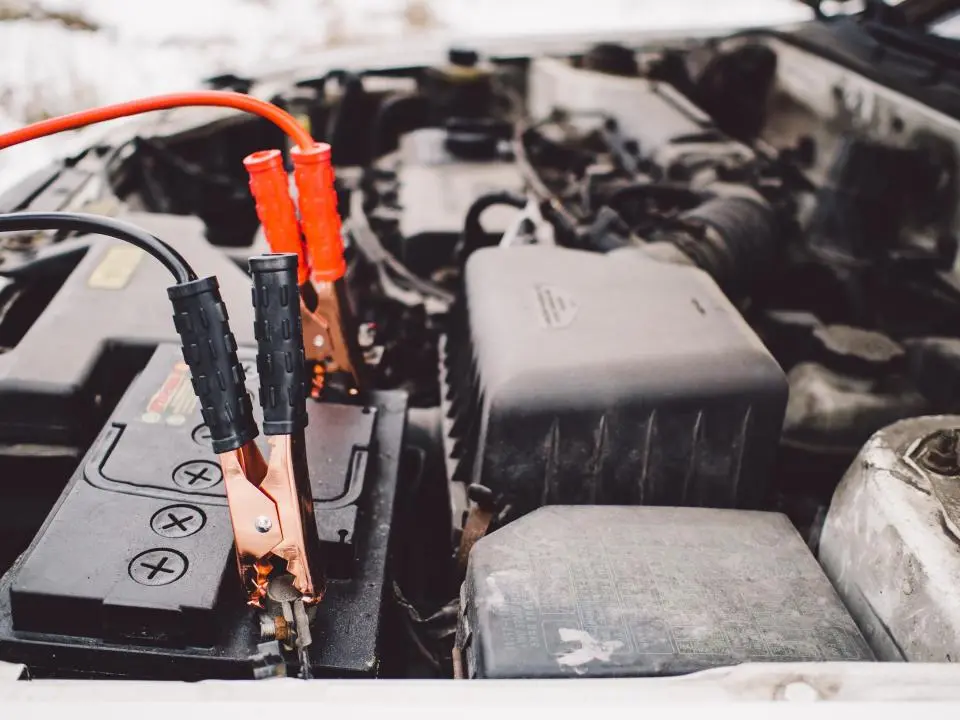
Step 1: Test the battery
A weak battery is the most common cause of a slow crank, so we check it first.
Step 2: Measure voltage drop
We read the loss across the positive cable, ground and starter circuit while cranking.
Step 3: Check the controls
We confirm the starter is getting its signal from the key, relay and safety switch.
Step 4: Replace and inspect
If the starter failed, we replace it and inspect the ring gear teeth while it is out.
Step 5: Verify
We crank the engine hot and cold before returning the car.
What's included in starter motor repair
Included on the work order
- 01Battery state-of-health test
- 02Cranking voltage drop test on cables and grounds
- 03Control circuit check through the relay and safety switch
- 04Starter replacement with a new or remanufactured unit, as approved
- 05Flywheel or flexplate ring gear inspection
- 06Hot and cold start checks after installation
Can starter trouble wait?
Need now: call
- Grinding that means the gear is not engaging cleanly
- Intermittent no-starts when you depend on the car daily
- Any burning smell or smoke while cranking
Need later: book
- A slightly slow crank with healthy test results
- Cleaning light corrosion at the cable ends
How pricing and timing work
The counter states the diagnostic fee before testing, and it applies to approved related repair. Starter cost depends on the part and its location: some bolt on from above, others sit under the intake or behind exhaust parts. The written estimate spells that out. If you have a hybrid, tell us it is a hybrid at intake and we will explain what we can take on, since many hybrids start the engine without a conventional starter.
After the repair
Crank normally and avoid holding the key more than a few seconds at a time. If the engine is slow to fire, that points to fuel or ignition, not the starter. Ask about ignition system diagnostics in that case. You can also book a starter motor condition inspection before a long trip.
Frequently asked questions
Is it the battery or the starter?
A clicking sound with dim lights usually points to the battery. A single click with bright lights often points to the starter or its solenoid. We test both, plus the cables, so the diagnosis is not a coin flip. See battery testing for the battery side.
Can you tow my car in if it will not start?
Yes, we accept tow-ins. Call (909) 646-4111 so the counter expects the vehicle, and use the after-hours key drop if it arrives after closing.
Do you repair starters or only replace them?
In most cases a new or remanufactured unit is the practical choice. If a separate solenoid or relay is the problem, we replace just that part. Your written estimate shows every step.