
On this page
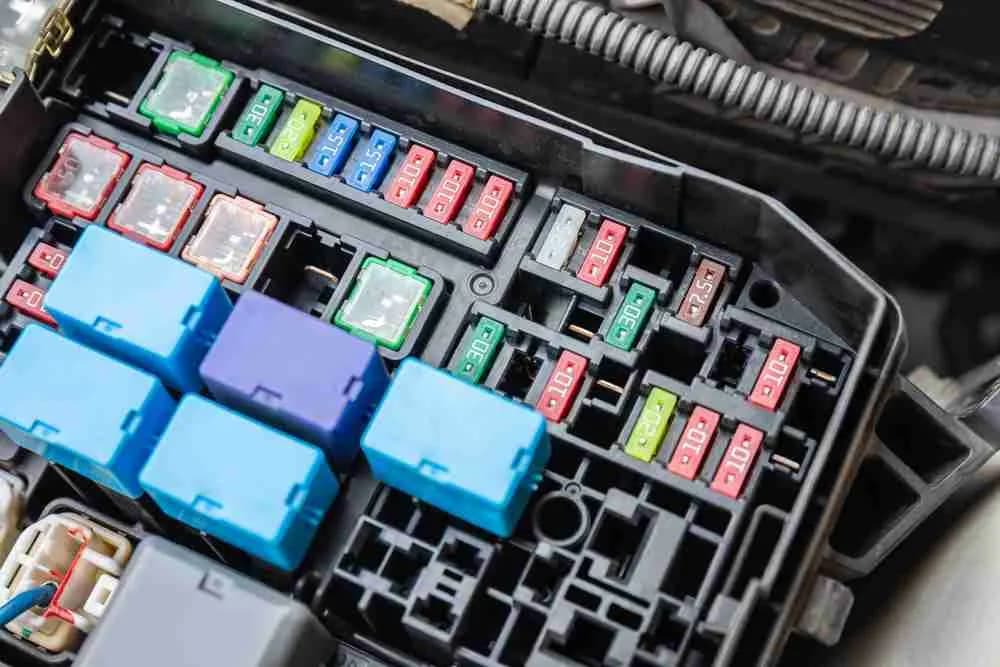
A starter relay is a small plug-in switch, usually in the under-hood fuse box, that lets a light current from your key turn on the heavy starter circuit. When it fails, the car is silent when you try to start it. Route 66 Auto Repair in Upland tests the relay and the circuit around it, including the neutral safety or clutch switch and anti-theft inputs, so a cheap relay does not hide a different fault.
Signs the starter relay may be at fault
- Total silence when you turn the key or press start, with dash lights on.
- The car starts after jiggling the shifter, which points to a safety switch instead.
- A relay that clicks when tapped but the starter never engages.
- Intermittent no-starts that come and go with temperature.
- A security light flashing when the car refuses to crank.
About the relay swap trick
Many owners swap the starter relay with an identical relay from the same fuse box, such as the horn relay, to see if the car starts. It can be a useful clue. Only swap relays with the same part number and pin layout, and never pry at a fuse box with metal tools. If the swap does not help, the fault is elsewhere and we take it from there.
In the shop, we check that the relay receives power, a ground signal from the control side, and passes current out. We also read the engine computer and immobilizer data, because many modern cars only ground the relay when the key is recognized and the transmission is in park or neutral.
How we test and replace a starter relay
Step 1: Read the data
We scan for anti-theft and park or neutral inputs that allow cranking.
Step 2: Test the relay socket
We check power, ground and the control signal at the socket.
Step 3: Bench the relay
We test the relay itself for clean switching.
Step 4: Replace and confirm
With approval, we fit a new relay and run repeated start tests.
What's included in starter relay replacement
Included on the work order
- 01Scan of immobilizer and gear position inputs
- 02Relay socket power and ground check
- 03Relay function test
- 04Fuse box terminal inspection for heat or corrosion
- 05Relay replacement as approved
- 06Repeated start testing in park and neutral
Does a bad relay need to be fixed right away?
Need now: call
- No-starts that leave you stranded
- A melted or loose relay socket in the fuse box
Need later: book
- A relay that clicks slowly but still works
- Adjusting a neutral safety switch that only acts up occasionally
How pricing and timing work
The relay part is inexpensive on most vehicles. Most of the cost is the testing, which starts with the diagnostic fee stated at the counter and applies to approved related repair. If the socket or fuse box needs repair, or the safety switch needs attention, those appear as separate lines on the written estimate. Relay jobs usually finish the same visit when the board allows.
After the repair
Keep a note of any no-start and what gear the car was in. If silence returns, a worn ignition switch or safety switch is the next suspect. The whole circuit is covered on starter motor repair.
Frequently asked questions
Should I carry a spare starter relay?
Some drivers do, especially on older vehicles known for relay trouble. It only helps if the relay was really the fault, so it is worth having us test the circuit first.
Why does my car only start in neutral?
That usually points to a worn or misadjusted park or neutral switch, not the relay. The switch tells the relay it is safe to crank. We test it as part of the relay check.
Can the anti-theft system stop the starter?
Yes. If the car does not recognize the key, many systems block the starter relay. A flashing security light is the clue, and we check it before replacing parts.