
On this page
The starter solenoid is the heavy-duty switch that sends battery current to the starter motor and pushes its gear forward. When its contacts burn, you hear a click and nothing else. Route 66 Auto Repair in Upland diagnoses the solenoid by measuring voltage at its terminals while you turn the key, which separates a solenoid fault from a battery, cable or relay fault. Our ASE-certified technicians write up what they find before you approve anything.
How a failing solenoid usually behaves
- One firm click, then silence, with the dash lights staying bright.
- Repeated rapid clicking when the battery is actually charged.
- The starter keeps spinning after the engine has started.
- It starts fine cold but only clicks after a hot drive and a short stop.
- Works after several tries of the key, then fails again.
How we prove the solenoid is the problem
A solenoid has a small control terminal and two large terminals. When you turn the key, the control terminal should see nearly full battery voltage. If it does, and the large output terminal stays dead, the solenoid contacts are the fault. If the control terminal gets little or nothing, the problem is upstream in the relay, ignition switch or safety switch.
Heat soak is common in Upland. After a hot freeway run, heat from the exhaust raises resistance in the solenoid winding, and it may refuse to pull in until it cools. That pattern points us toward the solenoid, and sometimes toward a missing heat shield.
Our solenoid diagnosis steps
Step 1: Confirm battery and cables
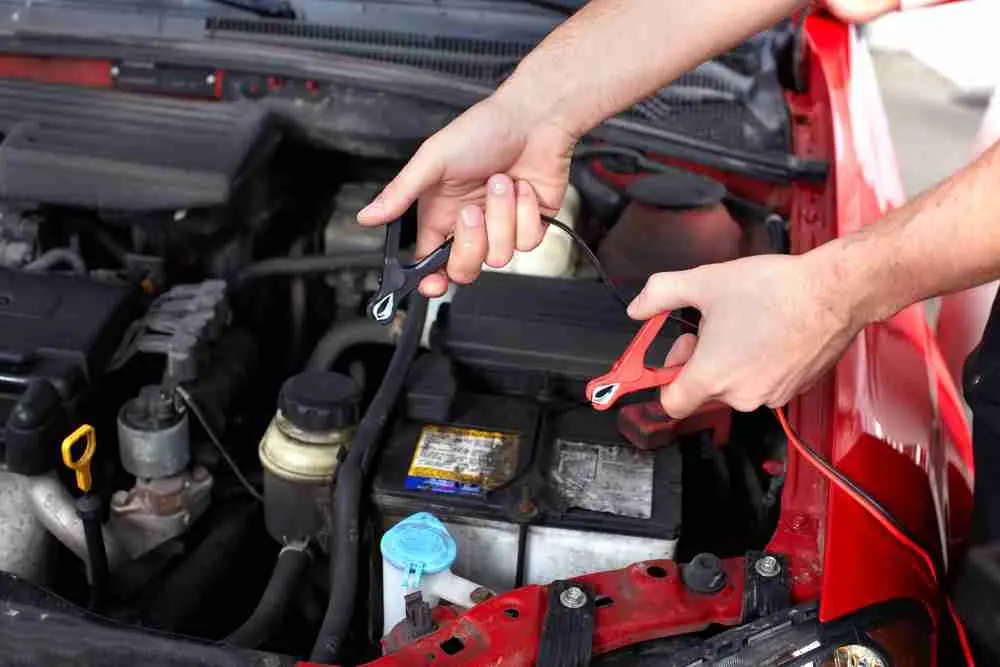
A healthy battery and clean cables are required before solenoid readings mean anything.
Step 2: Read the control terminal
We measure the signal voltage while the key is turned to start.
Step 3: Read the output terminal
We check whether current passes through the solenoid to the motor.
Step 4: Check heat protection
We look for missing or damaged heat shields near the starter.
What's included in solenoid diagnosis and repair
Included on the work order
- 01Battery and cable condition test
- 02Control terminal voltage reading during a start attempt
- 03Output terminal voltage reading
- 04Heat shield and wiring inspection near the starter
- 05Solenoid or starter replacement as approved
- 06Repeated start test after the repair
How soon should a solenoid be fixed?
Need now: call
- A starter that stays engaged after the engine runs
- Clicking no-starts that are getting more frequent
Need later: book
- A rare hot-start click that clears in a few minutes
- Replacing a heat shield before next summer
How pricing and timing work
The diagnostic fee is stated at the counter before testing and applies to approved related repair. Whether the solenoid is sold separately depends on the starter design. Our starter motor solenoid repair page covers that choice in detail. Your written estimate lists the part, the labor and anything else we found, and nothing extra happens without your approval.
After the repair
If the click returns, note whether the engine was hot and how long it sat. That detail helps us. Check that your cables stay tight and clean, and consider battery terminal cleaning if you see white or green buildup. For the full starter, see starter motor repair.
Frequently asked questions
What does it mean if I hear rapid clicking?
Rapid clicking usually means the solenoid is pulling in and dropping out because it is not getting enough voltage. That is more often a weak battery or poor connection than a bad solenoid, so we test those first.
Why does my car only click after it has been driven?
Heat raises resistance in the solenoid and cables. If the solenoid is worn, it may not pull in when hot. Letting it cool often gets you one more start, but the part is on its way out.
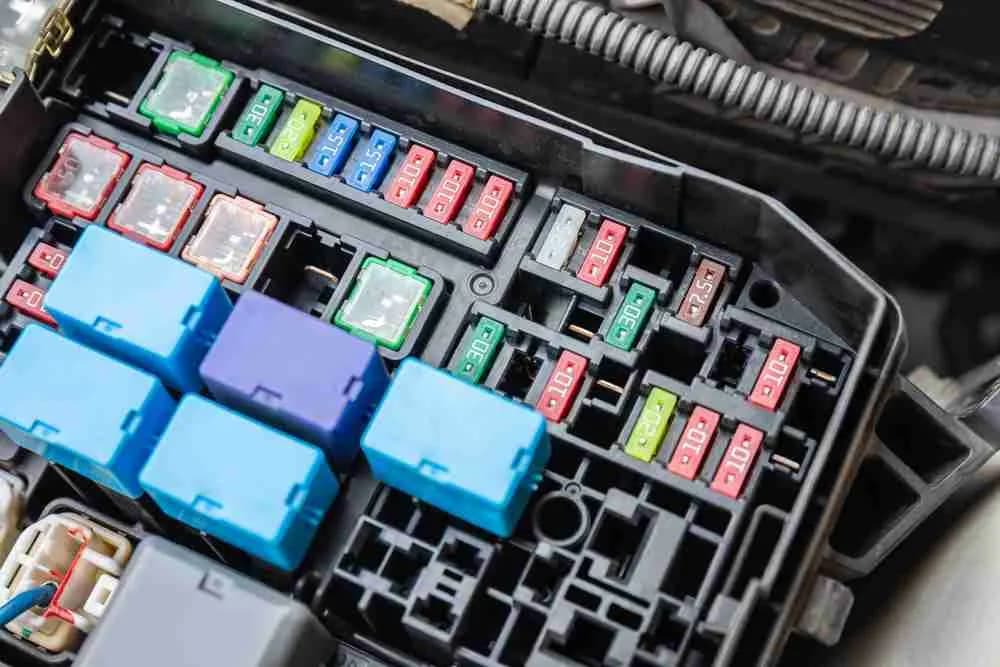
Is the solenoid the same as the starter relay?
No. The relay is a small switch in a fuse box that feeds the solenoid. The solenoid is mounted on or near the starter and carries the heavy current. See starter relay replacement.