
On this page
Electrical system testing is the set of measurements that tell us where current is going and where it is being lost. Route 66 Auto Repair in Upland runs voltage drop, parasitic draw, charging and starting tests when a battery keeps dying, a starter drags or lights dim. Our ASE-certified technicians write the readings on your repair order, so the repair we recommend is backed by numbers you can see, not a guess.
Which tests do we run, and what do they find?
- Battery state and load test: whether the battery can hold and deliver a charge
- Charging output test: whether the alternator keeps up at idle and under load
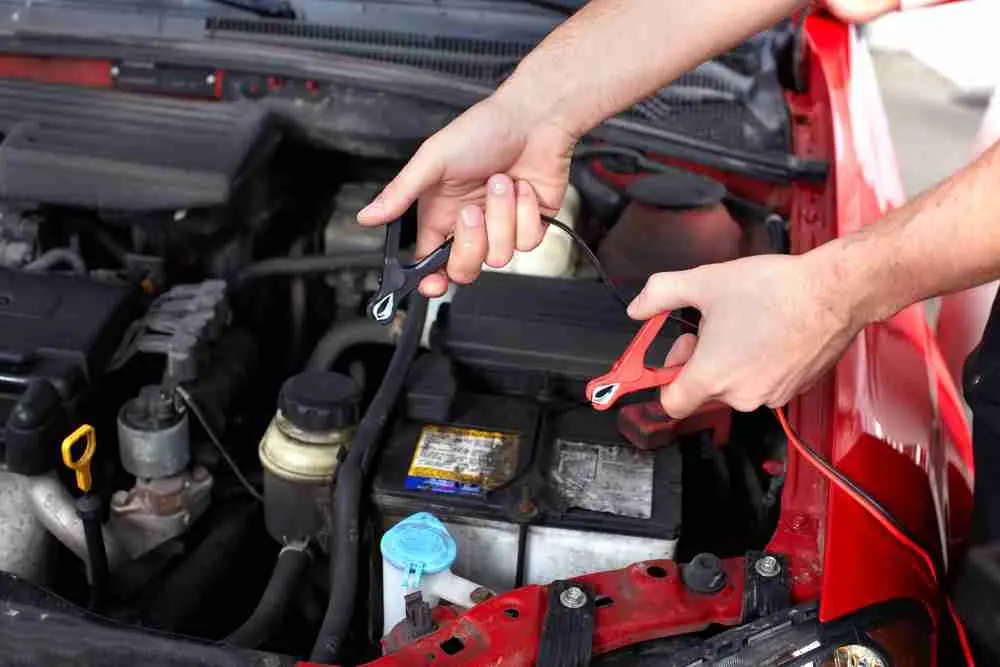
- Starter current draw: whether the starter is working too hard
- Voltage drop test: hidden resistance in cables, grounds and connectors
- Parasitic draw test: something staying awake and draining the battery overnight
Why do the numbers matter?
A battery that tests weak may be the victim, not the cause. If the car has a drain or a charging fault, a new battery will die the same way. Testing the whole chain protects you from buying parts that do not fix the problem.
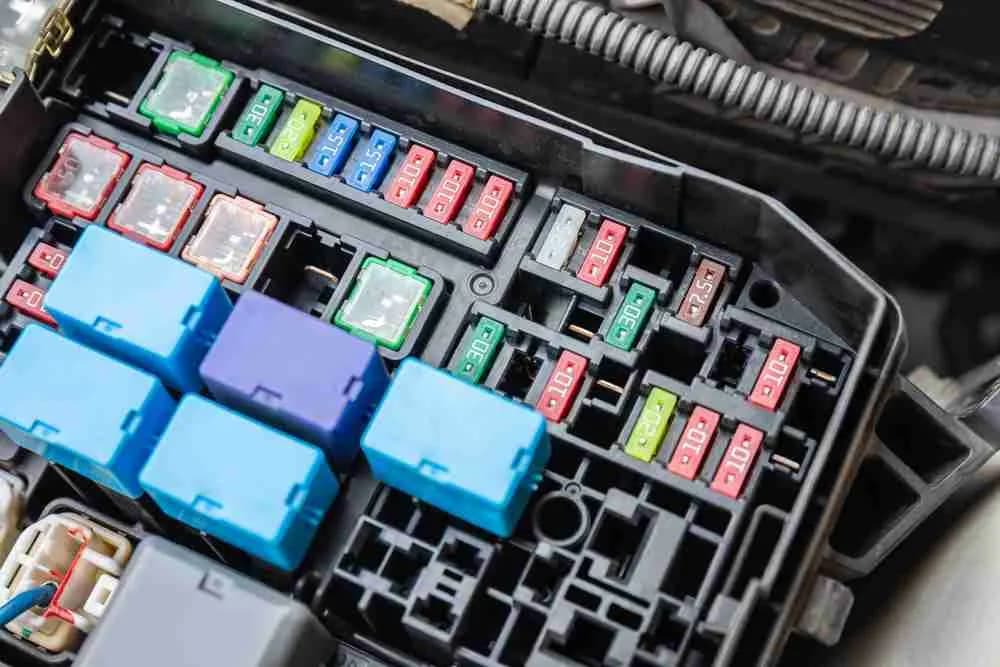
A parasitic draw test takes time because modern cars need to fall asleep before the reading means anything. We wait for that, then pull fuses one at a time to find the circuit. Hybrids are welcome: tell us it is a hybrid at intake and we will explain what we can take on.
Our electrical testing process
Step 1: Charge and stabilize
We make sure the battery is charged enough for fair readings, or note that it cannot hold one.
Step 2: Test charging and starting
Output and draw are read at idle, under load and during cranking.
Step 3: Measure voltage drop
We check the positive and ground paths while current is flowing.
Step 4: Check for drains
With the car asleep, we measure current draw and isolate any circuit that stays on.
Step 5: Report
Readings, pass or fail notes and a written estimate go on the repair order.
What's included in electrical system testing
Included on the work order
- 01Battery state of charge and load test
- 02Alternator output test at idle and under load
- 03Starter draw test
- 04Voltage drop on main power and ground paths
- 05Parasitic draw test when a drain is suspected
- 06Written readings with need-now and need-later labels
What do the results mean for timing?
Need now: call
- A charging system that cannot keep up
- A drain large enough to leave you stranded overnight
- Heavy voltage drop on the main cables
Need later: book
- A battery that passes but is near the end of its range
- A small drain from an accessory you rarely use
- Light corrosion on terminals with good readings
How pricing and timing work
After testing
If the numbers point to a weak battery, see battery replacement. If output was low, the next step is alternator repair. A drain that comes back after a repair goes to the front of the line; call (909) 646-4111. Our charging system test page covers that one test in depth.
Frequently asked questions
How long does a parasitic draw test take?
Longer than most tests, because many cars keep modules awake for a while after shutdown. We wait for the car to sleep before reading. Plan on a drop-off unless the board is open.
The parts store said my battery is fine. Why does it keep dying?
A quick battery check does not look for drains or charging faults. Something may be pulling current overnight, or the alternator may not be refilling the battery on short trips. Our tests cover both.
Do you test electrical systems on diesel trucks?
Yes. Many diesels use two batteries, and we test each one separately along with the charging system. Also see our diesel engine services.