
On this page
Fuse testing is more than looking for a broken wire in a fuse. At Route 66 Auto Repair in Upland, we test fuses in place under load, trace why a fuse blows, and use the fuse box to find what drains a battery overnight. A blown fuse is a symptom, and the circuit behind it is the real story. Our ASE-certified technicians document their readings and explain them on a written estimate.
When fuse testing is the right start
- A fuse that blows again right after you replace it.
- A circuit that is dead even though the fuse looks fine.
- The battery goes flat after sitting two or three days.
- A fuse that blows only on bumps or when a door opens.
- Someone installed a higher-rated fuse to stop it blowing.
How to test a fuse the right way
Looking at a fuse only catches the obvious break. A fuse can have a hairline crack or a poor fit that fails under load. We test both sides of each fuse with power on and measure voltage drop across it. That also reveals current flow through the fuse, which is how we find parasitic drains without pulling fuses and resetting the car's modules.
Never replace a fuse with a higher rating. The fuse is sized to protect the wire, and a bigger fuse lets the wire overheat instead. If a correct fuse keeps blowing, something downstream is shorted or drawing too much current, and that is what we trace.
How we test fuses and trace the circuit
Step 1: Check ratings
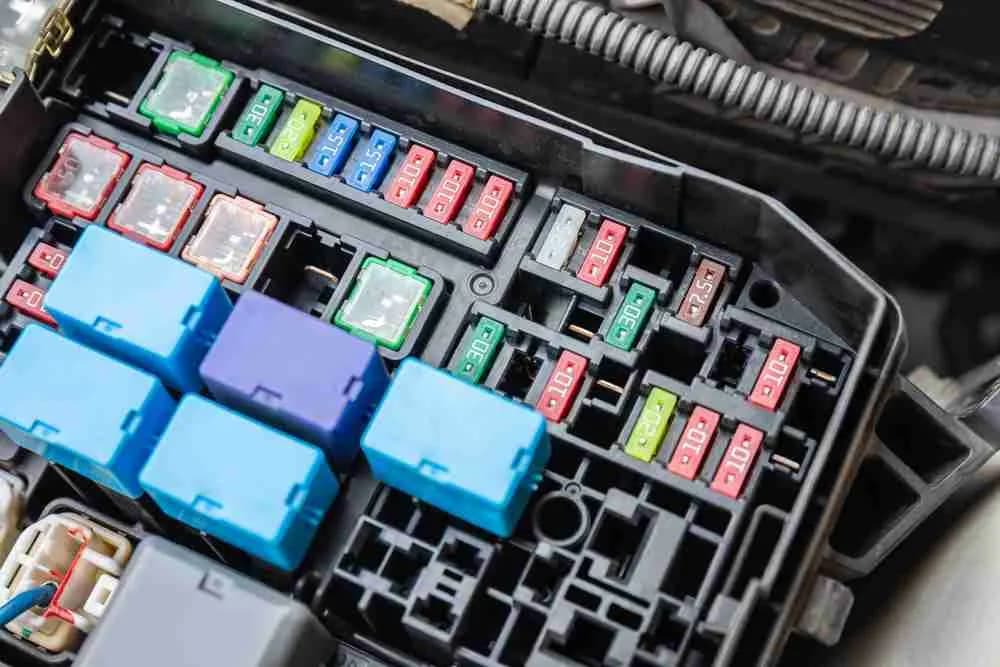
We confirm each fuse matches the rating printed on the box diagram.
Step 2: Test in place
We check both sides of each fuse and measure voltage drop under load.
Step 3: Find the drain
With the car asleep, we read drop across fuses to spot circuits drawing current.
Step 4: Trace the fault
We follow the circuit to the component, connector or wire causing the draw or short.
What's included in electrical system fuse testing
Included on the work order
- 01Fuse rating check against the box diagram
- 02In-place fuse test on both sides
- 03Voltage drop measurement across suspect fuses
- 04Parasitic drain check with modules asleep
- 05Circuit trace to the faulty component or wire
- 06Written findings with repair options
What do we treat as urgent?
Need now: call
- A fuse that blows repeatedly on a lighting, fuel or cooling circuit
- An oversized fuse installed in place of the correct one
- A drain that leaves you unable to start
Need later: book
- A small drain that only matters if the car sits a week or more
- A blown fuse on a non-essential accessory like a rear power outlet
How pricing and timing work
Testing starts with the diagnostic fee stated at the counter, which applies to approved related repair. Drain tests need the car to sit long enough for modules to sleep, so some vehicles stay a few hours or overnight. Intermittent shorts take more time, and we check with you before adding diagnostic time. The written estimate lists the repair once the cause is found.
After the repair
Keep a few spare fuses of the correct ratings in the car. If a fuse blows again, note what was switched on. Related pages: fuse box repair for damaged sockets, battery load testing if repeated drains hurt the battery, and our electrical services hub for the full list.
Frequently asked questions
Why does my fuse keep blowing?
A correct fuse only blows when current goes above its rating. That usually means a short to ground, a chafed wire or a failing motor. We trace the circuit to find which one.
Can I use a bigger fuse to stop it blowing?
No. A bigger fuse lets the wire overheat before the fuse opens, which can start a fire. Put the correct rating back and have the circuit checked.
How do you find what drains my battery?
Once the car's modules fall asleep, we measure tiny voltage drops across each fuse. The fuse showing current flow leads us to the circuit causing the drain.