
On this page
Heavy crust on your battery is a warning sign, and Route 66 Auto Repair in Upland treats it that way. We neutralize the acid residue, clean the terminals, tray and hold-down, and then find out why it formed. Corrosion that keeps coming back often points to an overcharging alternator, a leaking post seal or a battery that is venting. Cleaning alone only buys time.
What does the color of the corrosion tell you?
- White or grayish powder on the negative side often comes from lead sulfate and venting
- Blue-green crust usually means copper in the cable or clamp is corroding
- Buildup mainly on the positive side can point to overcharging
- Wet residue around the post suggests a leaking post seal
- Crust spreading onto the tray or fender means acid has been escaping for a while
What can corrosion damage beyond the terminal?
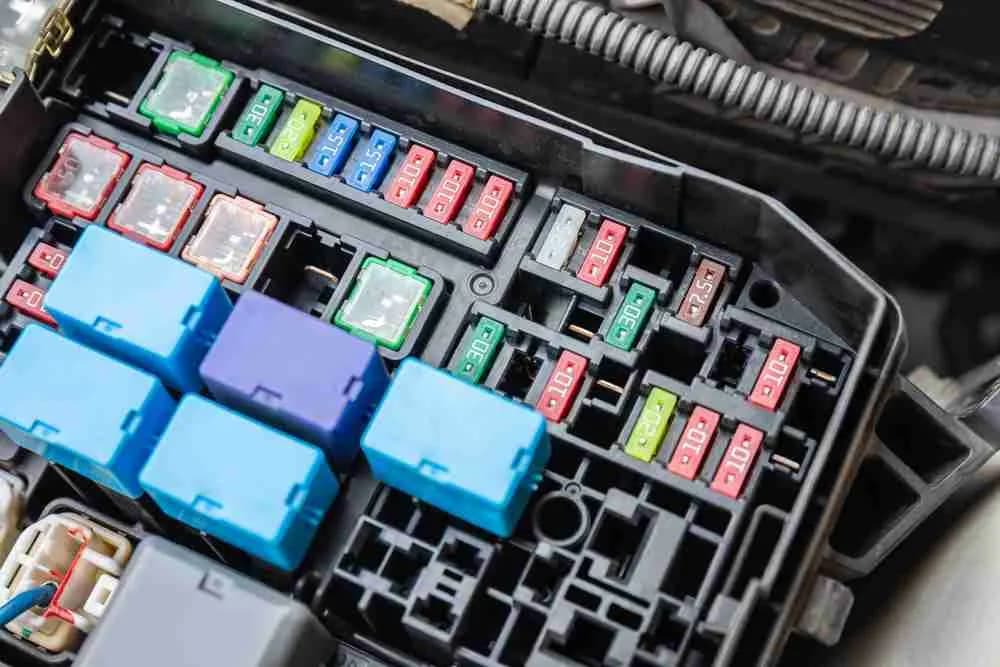
Acid does not stay put. It eats the metal battery tray, the hold-down bracket and the paint on nearby panels. It creeps into wiring harnesses and fuse boxes mounted near the battery. We look under the tray and along nearby wires, and we photograph any damage so you can see it before deciding.
If the clamp or cable is already eaten through, cleaning will not save it, and we will quote terminal replacement or a cable instead.
Our corrosion cleaning process
Step 1: Protect and remove
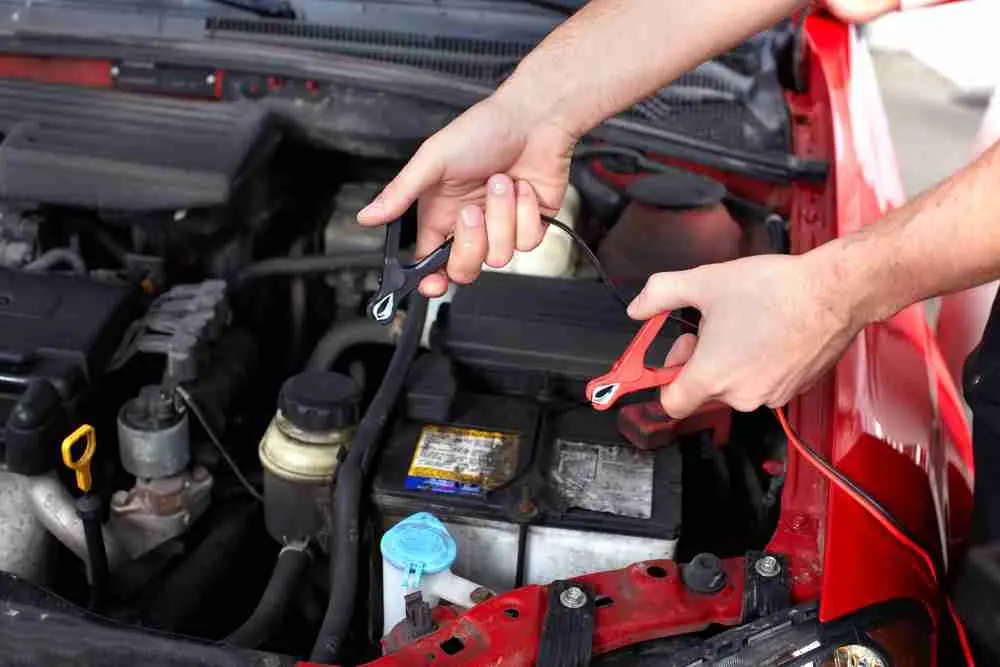
We protect nearby paint, disconnect the battery and lift it out when the tray needs cleaning.
Step 2: Neutralize
A baking-soda solution or neutralizer stops the acid, then the area is rinsed.
Step 3: Clean and treat
Terminals are brushed bright, the tray and hold-down are cleaned, and bare metal is treated against rust.
Step 4: Find the cause
We test the battery and check charging voltage for overcharging.
What's included
Included on the work order
- 01Acid neutralizing and rinse
- 02Terminal, tray and hold-down cleaning
- 03Inspection of nearby wiring and fuse box
- 04Battery health test
- 05Charging voltage check
- 06Protectant on reinstalled terminals
Why does corrosion keep coming back?
A battery that is overcharged boils off acid vapor. That usually traces to a voltage regulator problem. An aging battery vents more as it wears. A cracked case or loose post seeps. For light, routine buildup, simple battery terminal cleaning is enough.
Now or later?
Need now: call
- Crust thick enough to cause starting trouble
- Wet acid or a leaking case
- Corrosion reaching harnesses or the fuse box
Need later: book
- Light surface powder with good starts
How pricing and timing work
Aftercare
Check the battery area at each fill-up for a few weeks. Quick return of crust means we should look again.
Frequently asked questions
Is battery corrosion dangerous to touch?
It can irritate skin and eyes because it holds acid residue. Use gloves and eye protection, and do not wipe it with bare hands.
Can corrosion drain my battery?
It can create a small leakage path across the top of a dirty battery and adds resistance at the terminals, both of which make starting harder.
Do I need a new battery if it is corroded?
Not always. We clean first, then test. A healthy battery goes back in. A leaking or failing one should be replaced.