
On this page
Route 66 Auto Repair in Upland runs on ASE-certified technicians, and a certificate by itself is not what makes a repair right. This page explains what ASE certification actually tests, what it does not promise about your car, and the shop practices that turn a credential into work you can check: testing before replacing, a written estimate, repair to spec and a road test.
What does ASE certification mean?
ASE, the National Institute for Automotive Service Excellence, tests technicians in specific areas such as brakes, electrical systems, engine performance and heating and air conditioning. To earn a certification, a technician must pass the exam and show hands-on work experience, and certifications must be renewed. You can read the details at ASE (opens in a new tab).
What it does not mean: a certificate on the wall is not a promise about any single repair. That is why we pair it with testing before replacing, written findings and a road test. Our certifications and awards page lists the credentials we hold.
What should you look for beyond the certificate?
A certificate tells you that someone passed a test. It does not tell you how a shop behaves when your car is on the lift and the news is bad. Ask about that part. Here the diagnostic fee is stated at the counter before testing and applies to the approved related repair, the written estimate lands before any extra work, and if the job grows we stop and ask again.
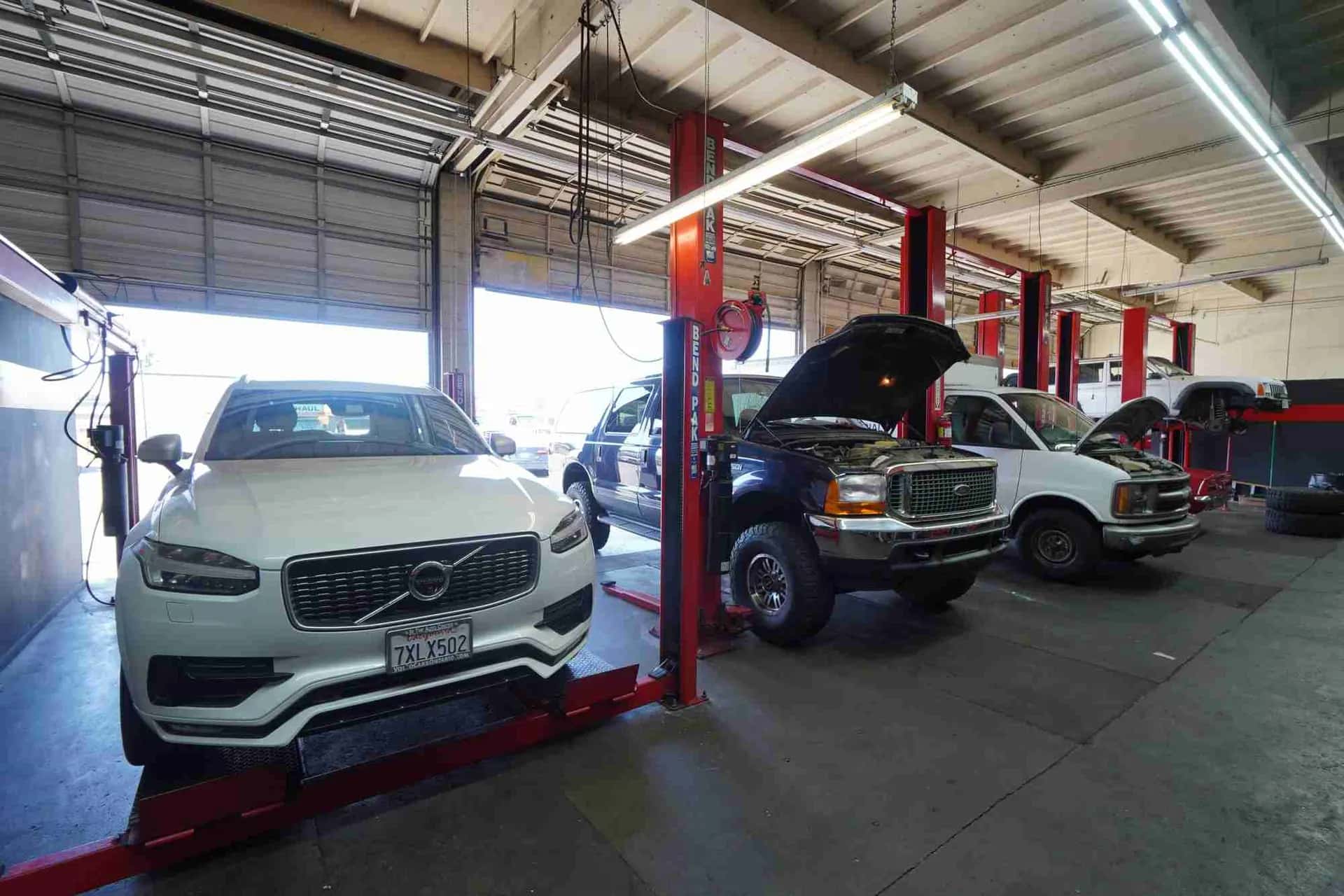
Ask about the record too. We have been on the same corner of Foothill Blvd in Upland for more than 35 years, and we run a U-Haul Neighborhood Dealer counter off the same lot. Then ask what you get to see: a photo of the failed part, the old part itself at pickup, and every estimate line marked need now or need later.
How certified work shows up on your repair
Step 1: Right test for the system
The technician uses the test procedure that fits the fault instead of swapping parts.
Step 2: Repair to spec
Torque values, fluid types and procedures follow the manufacturer.
Step 3: Second check
Another person reviews the work before the car leaves.
Step 4: Road test
The car is driven to confirm the fix under real conditions.
What's included with certified service
Included on the work order
- 01ASE-certified technicians
- 02Manufacturer procedures and specs
- 03Written findings and estimate
- 04Quality check and road test
Certified judgment on urgency
Need now: call
- Faults a trained technician can measure as unsafe
- Failures likely to damage other parts soon
Need later: book
- Items within spec but trending toward the limit
- Upgrades that are optional rather than required
How pricing and timing work
Certification does not add a separate charge. You pay for parts and book labor, shown on the written estimate, and the diagnostic fee is stated before testing. Timing depends on the board and parts availability. Our trusted auto repair page covers the day-to-day habits behind the credentials.
Aftercare
Keep your invoice; it lists the warranty terms for your repair. If something is wrong, comebacks go to the front of the line and the root cause is written down.
Frequently asked questions
Are all of your technicians ASE-certified?
Our technicians are ASE-certified. If you want to know which areas apply to a specific repair, ask the service writer when you drop off the car.
Does certification mean the repair can never fail?
No shop can promise that. Certification means trained people using proper procedures. If a repair does come back, it goes to the front of the line and the root cause is written on the repair order.
Do certified technicians cost more per hour?
No. Labor follows book time for your vehicle, so the price comes from the job rather than from who holds which certificate. The diagnostic fee is stated at the counter before testing, and the written estimate lists parts and labor line by line.