
On this page
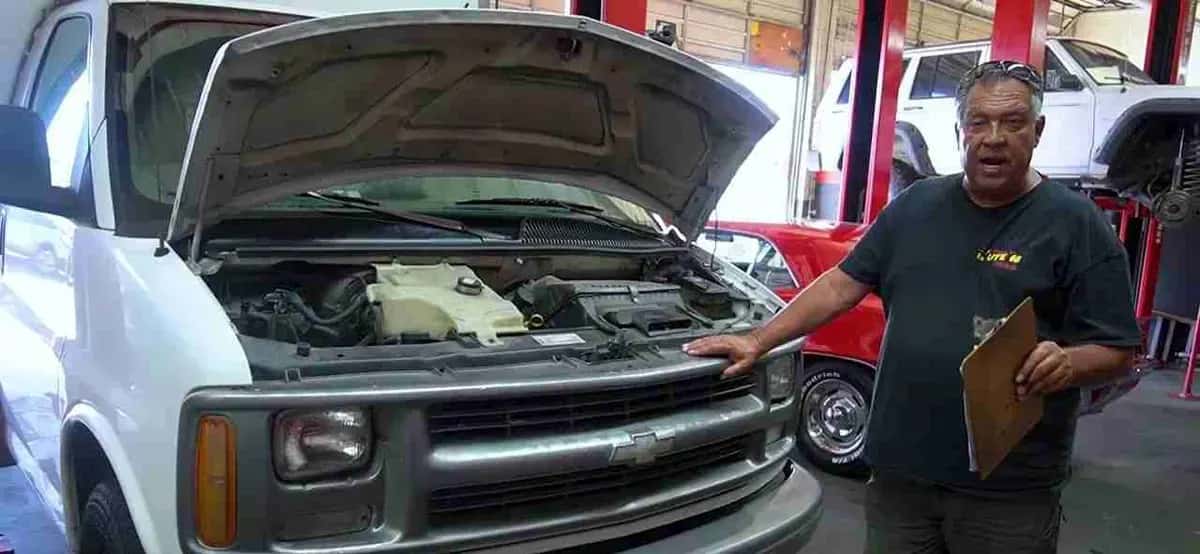
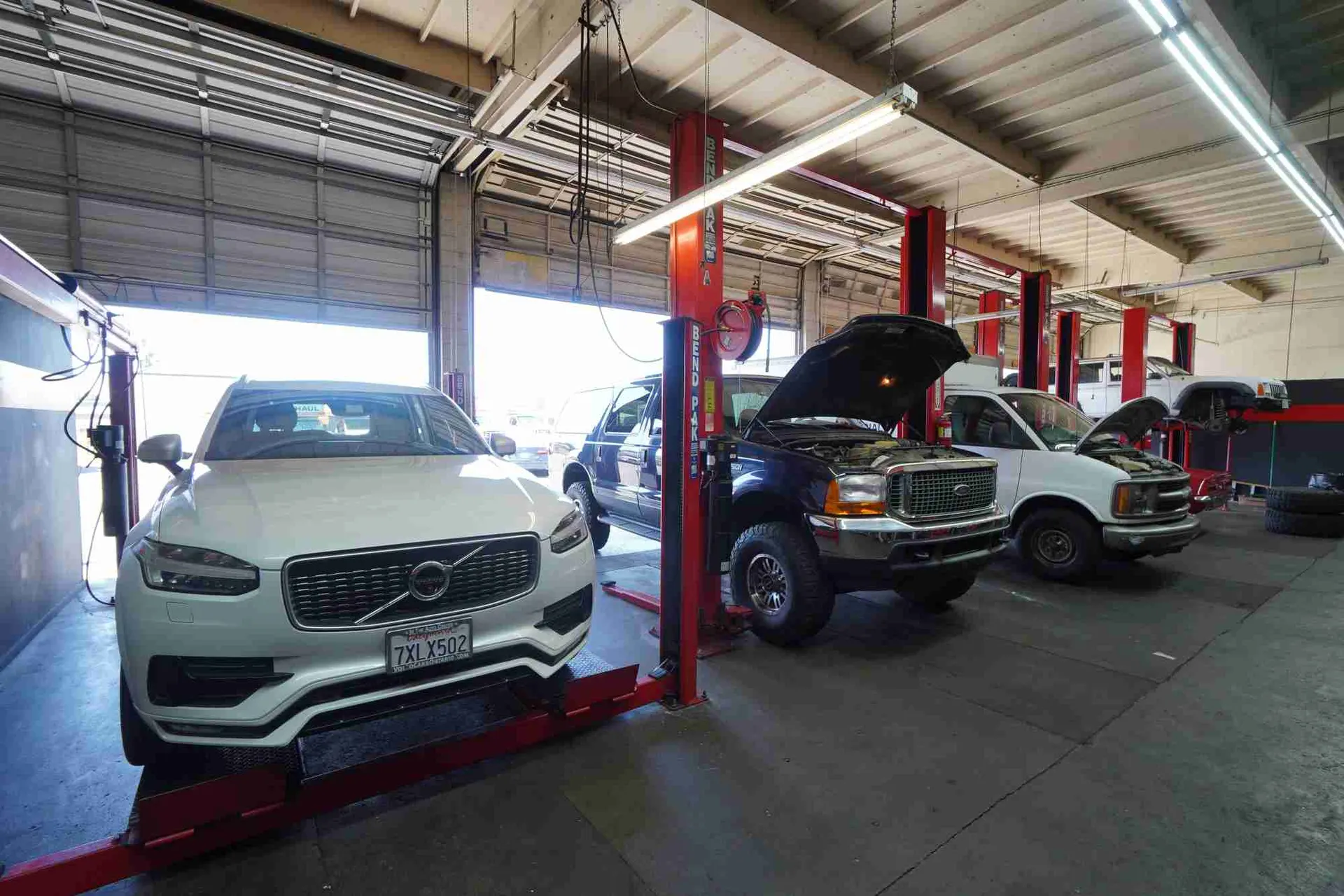
Route 66 Auto Repair in Upland keeps work vans, pickups and fleet units moving. Every invoice carries the unit number, preventive maintenance runs on A, B and C intervals, and fleet units get priority when the board allows. Diesels are welcome. Payment is by card or cash when the vehicle is picked up.
Why commercial repair is different
A work vehicle in the bay is a job not getting done. Fleet vans idle for long stretches, carry heavy loads and pile on stop-and-go miles around Upland and the I-10 corridor. That wears brakes, cooling systems and batteries faster than a commuter car. Our approach aims at less downtime: planned maintenance, clear records per unit and honest timing.
How do A, B and C preventive maintenance intervals work?
We set the intervals with you based on each unit's manufacturer schedule and duty cycle.
- A service: the lighter, most frequent visit, such as oil, filter, fluid levels, tires and lights.
- B service: the A items plus deeper checks of brakes, belts, hoses, battery and suspension.
- C service: the most complete visit, adding scheduled fluid replacements and components the manufacturer lists at longer intervals.
- Each visit is recorded against the unit number so you can track history per vehicle.
Our commercial vehicle process
Step 1: Set up the unit
We record the unit number and agree on its A, B and C schedule.
Step 2: Book or drop
Units arrive by appointment, drop-off or the after-hours key drop.
Step 3: Test and estimate
The diagnostic fee is stated, then you get a written estimate with urgency labels.
Step 4: Priority repair
Fleet units move up when the board allows, and we text if timing slips.
Step 5: Invoice by unit
The invoice shows the unit number, work done and next interval.
What's included for commercial customers
Included on the work order
- 01Unit number on every invoice
- 02A, B and C preventive maintenance intervals
- 03Priority when the board allows
- 04Diesel units welcome
- 05Written estimate before extra work
- 06Card or cash payment at pickup
Need-now or need-later for a working vehicle
Need now: call
- Brake wear on a loaded van
- Cooling faults on units that idle
- Charging problems that could strand a driver mid-route
Need later: book
- Interior and body wear
- Items that can ride until the next A, B or C visit
How pricing and timing work
Aftercare
Each invoice notes the next interval for that unit. Driver-reported problems between visits should be called in early, before they become roadside failures.
Videos from the shop
Frequently asked questions
Can you put our unit numbers on invoices?
Yes. Every invoice for a commercial customer shows the unit number, so your records match each vehicle.
Do you offer house accounts for fleets?
No. We do not run charge accounts. Payment is by card or cash when each vehicle is picked up.
Do fleet units get faster service?
Fleet units get priority when the board allows. We only promise what the schedule can hold, and we text you if a window slips.
Do you work on diesel work trucks?
Yes. Diesels are welcome, and our diesel engine services cover common diesel work alongside regular maintenance.