
On this page
Emergency brake repair starts with one question: why is it not doing its job? Route 66 Auto Repair in Upland diagnoses emergency brakes that will not hold, will not release, or throw a warning, and traces the cause across the lever, cables, shoes, calipers and electronic motors. The emergency brake is your backup if the main hydraulic brakes fail, so we treat it as a safety system. You get the diagnosis in writing before repairs begin.
What emergency brake problems do we see most?
- The car rolls with the emergency brake fully set
- The brake will not release, or releases on one side only
- An electronic parking brake fault message or flashing light
- Grinding from the rear when the brake is applied
- The brake stopped working after rear brake work elsewhere
How do we find the cause?
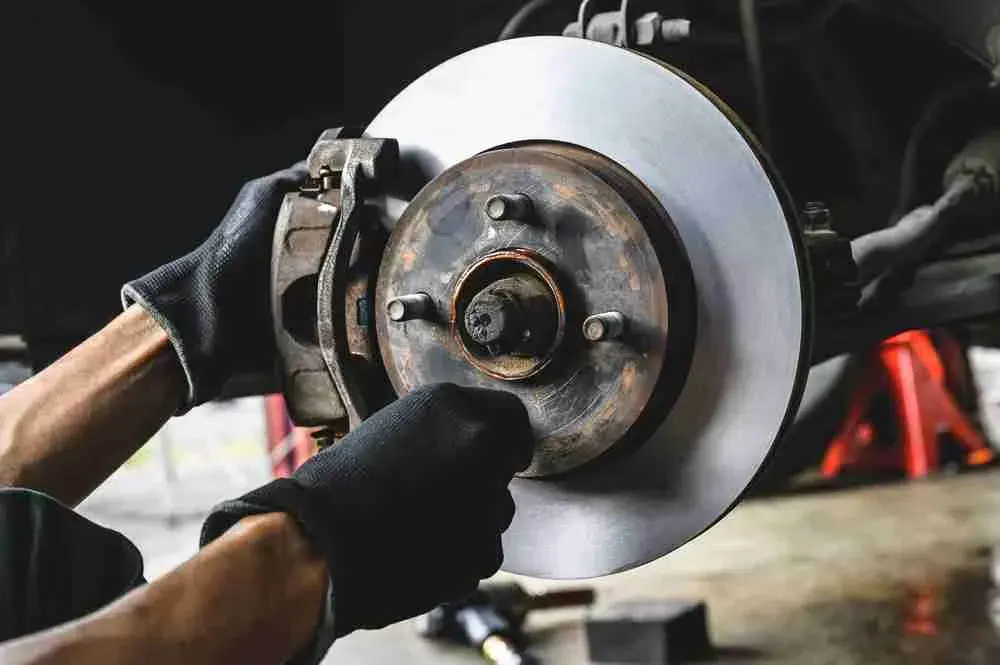
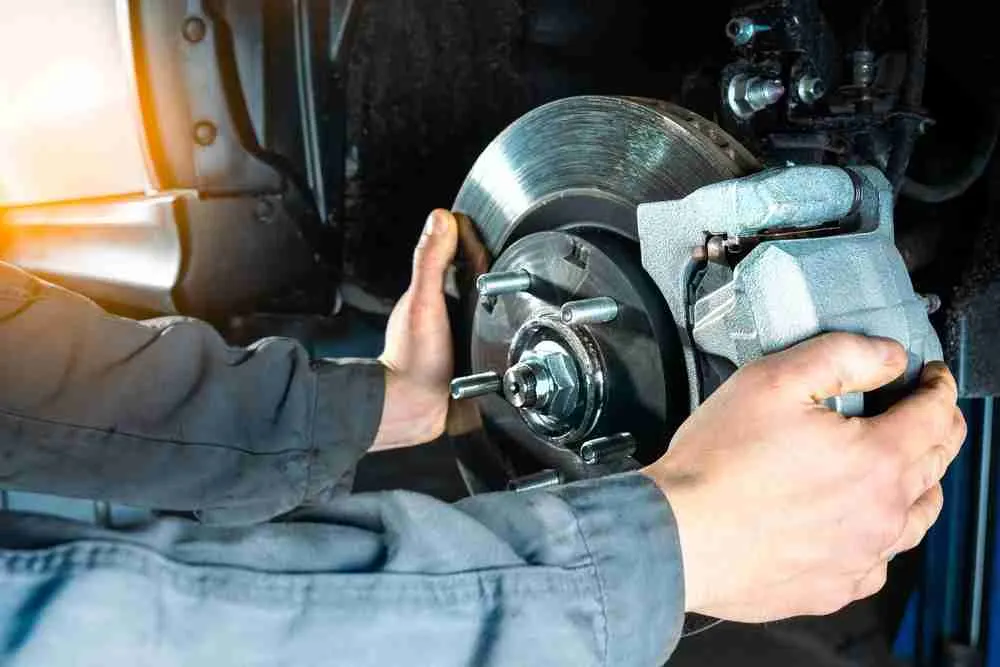
We split the system into sections. At the wheel, we check the small drum-in-hat shoes or the caliper parking mechanism. In the middle, we test cable movement. Inside the car, we check the lever or pedal. For electronic systems, we read codes, test motor current, and check the switch and wiring.
Each finding is written down with photos where the part is the point. That way you see whether the fix is shoes, a cable, a lever or an electrical part, not a guess. Wiring faults may lead us into electrical diagnostics.
Our emergency brake repair process
Step 1: Reproduce the problem
We test hold on an incline and check release at each rear wheel.
Step 2: Scan and inspect
Codes are read on electronic systems, and mechanical parts are inspected section by section.
Step 3: Estimate the fix
You get a written estimate with each item labeled need-now or need-later.
Step 4: Repair and prove it
After repair, we test hold, release and drag, then road-test.
What's included
Included on the work order
- 01Hold and release test
- 02Code scan and motor test on electronic systems
- 03Rear shoe or caliper mechanism inspection
- 04Cable and lever check
- 05Photos of failed parts
- 06Road test after repair
Need-now or need-later?
Need now: call
- Brake stuck on and overheating
- No hold at all on a vehicle parked on slopes
Need later: book
- Weak hold on flat ground only, with scheduled parking brake adjustment
- An intermittent electronic warning with the brake still working
How pricing and timing work
Aftercare
Test the hold now and then on a gentle slope with your foot ready on the brake pedal. If the hold weakens, bring it back before it fails completely. For shoe wear inside the rotor, see emergency brake shoe replacement.
Frequently asked questions
Is the emergency brake the same as the parking brake?
Yes, it is the same system with two names. It holds the parked car and gives you a backup way to slow down if the main brakes fail. It works on the rear wheels only, so it stops the car much more slowly.
My electronic parking brake will not release. What should I do?
Check the owner's manual for a release procedure, which often needs the engine running and your foot on the brake. If it still will not release, do not force it. Have it towed, and we will read the codes.
Why does my emergency brake grind?
Worn or broken shoes inside the rear rotor hat can grind, as can rust on the drum surface. We look at the shoes and the drum surface before recommending a fix.