
On this page
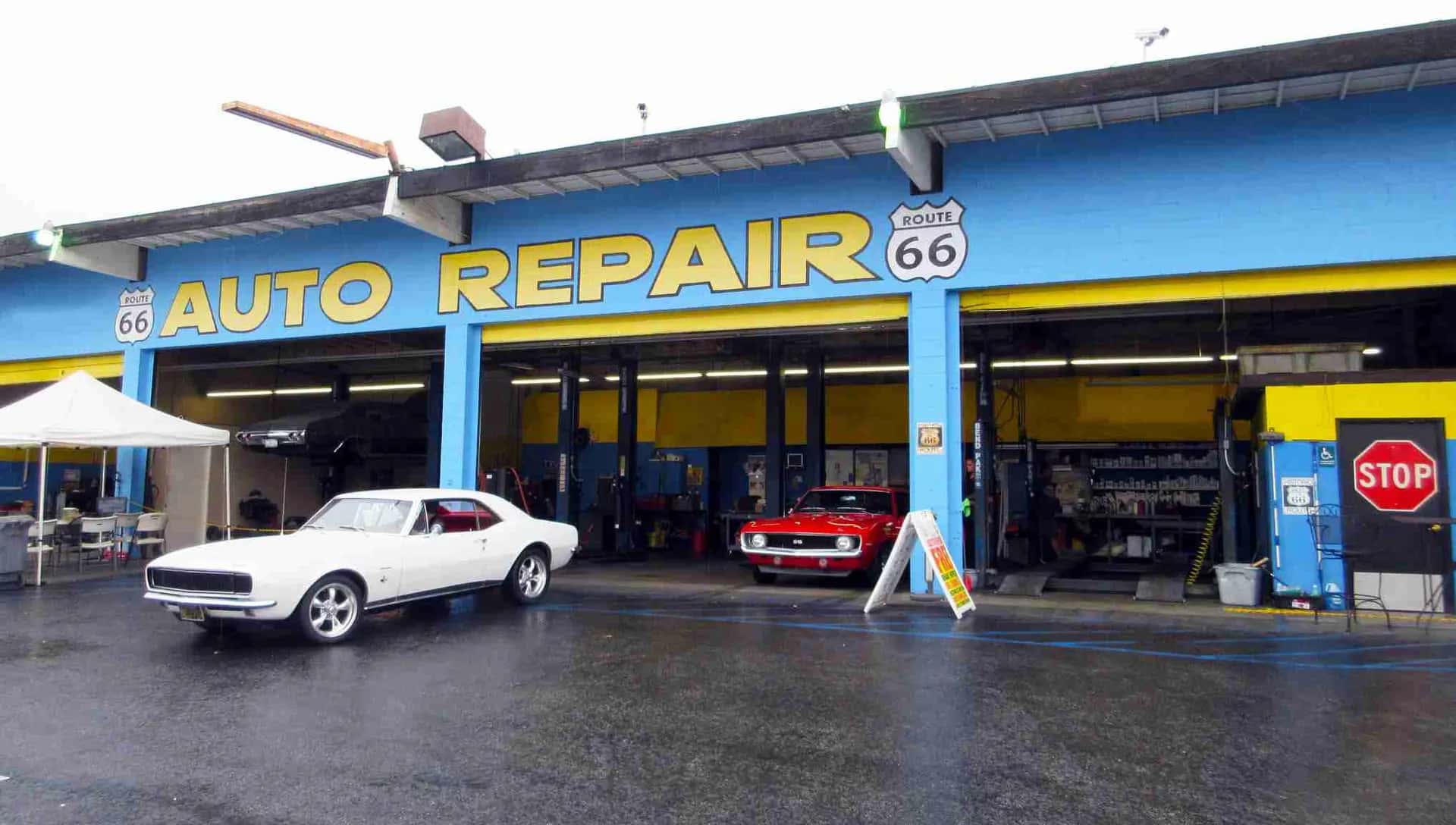
Engine oil pump replacement restores the pump that pushes oil through the bearings, cam and lifters. Route 66 Auto Repair in Upland handles it after we prove the pump is at fault with a mechanical gauge, since a bad sensor or low oil level trips the same warning light. When the pump is truly weak, running the engine is a risk, so we explain what to do next before you drive anywhere. The written estimate lists the pump, pickup screen and gaskets.
What are the signs of a failing oil pump?
- The red oil pressure light flickers at idle once the engine is hot
- A pressure gauge that reads lower than usual in stop-and-go traffic
- Valve train ticking that starts after the warning light appears
- Knocking from the bottom end in severe cases
The oil light came on. What should you do?
Pull over when safe and shut the engine off. Check the dipstick. If the level is low, add the correct oil and watch the light. If the level is full and the light stays on, do not keep driving. Call (909) 646-4111; we accept tow-ins during business hours and have an after-hours key drop.
At the shop, a gauge on the sender port tells us the real number. If pressure is fine, the fault is likely a sensor, covered on our oil pressure sensor repair page.
Our oil pump replacement process
Step 1: Test real pressure
A mechanical gauge reads pressure hot and cold, at idle and at higher rpm.
Step 2: Inspect the oil
We look for metal, sludge or coolant that would explain a starving pump.
Step 3: Drop the pan
The pan comes off so we can see the pickup screen and bearing condition.
Step 4: Install the pump
The new pump, pickup gasket and any drive parts go in and are torqued to spec.
Step 5: Prime and verify
We prime the system, start the engine, and confirm pressure on the gauge before a road test.
What's included in an engine oil pump replacement
Included on the work order
- 01Mechanical oil pressure test before and after
- 02Oil condition check for metal or contamination
- 03New oil pump and pickup tube seal
- 04Pickup screen cleaning or replacement as listed
- 05Oil pan gasket or sealer
- 06New oil, filter and a road test
Is an oil pump replacement need-now or need-later?
Need now: call
- Confirmed low pressure with a full oil level
- Warning light on at idle with a new knock
Need later: book
- Pressure within spec but a flickering light, which points to a sensor
- Slightly low hot-idle reading on a high-mileage engine, logged and rechecked at the next service
How pricing and timing work
After a new oil pump
Watch the gauge or light for the first week and keep the oil full. If you notice ticking or the light returns, stop driving and call. That goes to the front of the line.
Frequently asked questions
Can I drive with the oil pressure light on?
We advise against it. Without oil pressure, bearings can fail within minutes. Shut the engine off, check the level, and have it towed if the light stays on.
Why test pressure before replacing the pump?
Because a faulty sensor, a clogged pickup or low oil can cause the same light. The gauge test separates those causes, so you only pay for a pump when the pump is weak.
Should the bearings be checked too?
If the engine ran with low pressure, yes. We look at the bearing surfaces we can see with the pan off and tell you what we find before you decide on more work.