
On this page
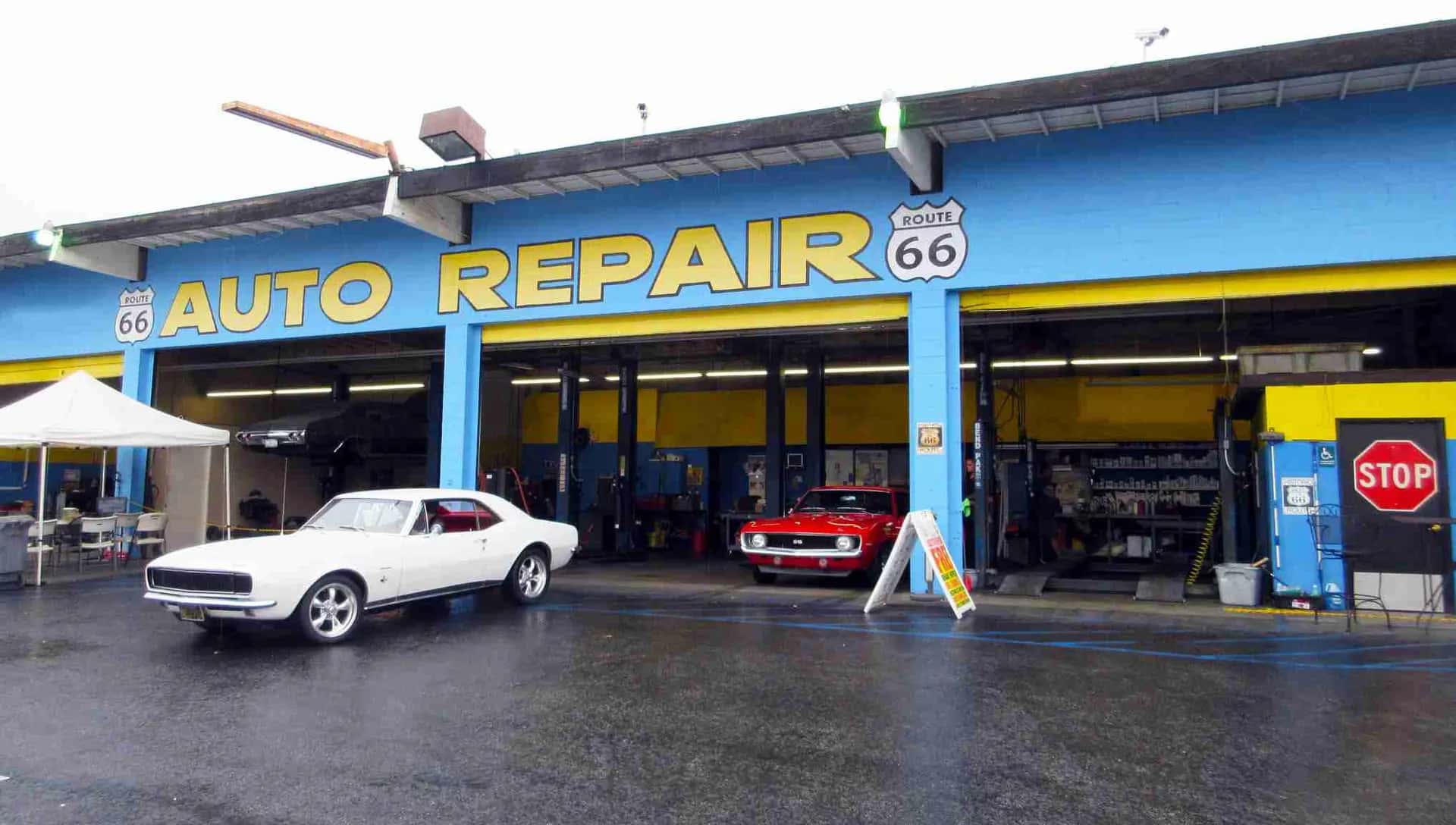
Engine oil pump seal repair stops leaks from the pump housing on engines where the pump sits at the front of the crankshaft. On those engines the pump body holds the front crank seal and its own O-rings, so oil tends to spray behind the lower pulley. Route 66 Auto Repair in Upland dye-tests the area to tell a pump seal from a timing cover or valve cover leak. Our written estimate names the exact seal before any work begins.
How do you spot an oil pump seal leak?
- Oil slung in a ring around the inside of the lower engine cover
- Drips from the front of the oil pan with a dry rear main area
- A wet crank pulley or harmonic balancer
- A belt that slips or squeals after getting oily
- Oil smell after short trips with no visible smoke
Why is the front of the engine so hard to diagnose?
Oil runs downhill and wind spreads it backward. A leak from the valve cover can end up on the pump housing, and a pump seal leak can look like a pan gasket leak. Guessing leads to paying for the wrong seal.
We clean the area, add dye, and inspect under UV light after a drive. The photo shows the true source. If the leak sits higher, the fix may be a timing cover gasket or a valve cover gasket instead.
Our oil pump seal repair process
Step 1: Clean and dye
We degrease the front of the engine and add tracer dye to the oil.
Step 2: Find the source
After a drive, UV inspection shows where fresh oil is leaving.
Step 3: Remove the pulley
Belts and the crank pulley come off, and we check the pulley sealing surface for a groove.
Step 4: Replace seals
The front seal and any pump housing O-rings are replaced; the housing is resealed if the estimate lists it.
Step 5: Recheck
We refit parts, set belt tension, and recheck for leaks after a road test.
What's included in an oil pump seal repair
Included on the work order
- 01Front-of-engine degrease and dye test
- 02UV leak photo for your records
- 03Crank pulley removal and surface check
- 04Front seal and pump housing seals as listed
- 05Belt inspection and tension check
- 06Oil top-off and follow-up leak check
Is an oil pump seal leak need-now or need-later?
Need now: call
- Oil soaking the drive belt
- A leak fast enough to drop the dipstick level between fill-ups
Need later: book
- Light seepage with a dry belt
- A slight film you can monitor at each oil change
How pricing and timing work
After the repair
A little dye residue may remain visible under the engine. Drive normally, then look under the front of the car after a week. Any fresh drip means a recheck at the front of the line.
Frequently asked questions
Is an oil pump seal the same as a front main seal?
On many engines the front main seal sits in the oil pump body, so the terms overlap. On others the seal is in the timing cover. We confirm which design you have before quoting.
Does a leaking pump seal mean the pump is failing?
Not usually. Seals harden with age and heat. Pump failure shows up as low pressure, which we can test separately.
Can oil on the belt cause other problems?
Yes. An oily belt can slip, squeal and wear faster, and it can affect the alternator or water pump drive. We inspect the belt as part of the job.