
On this page
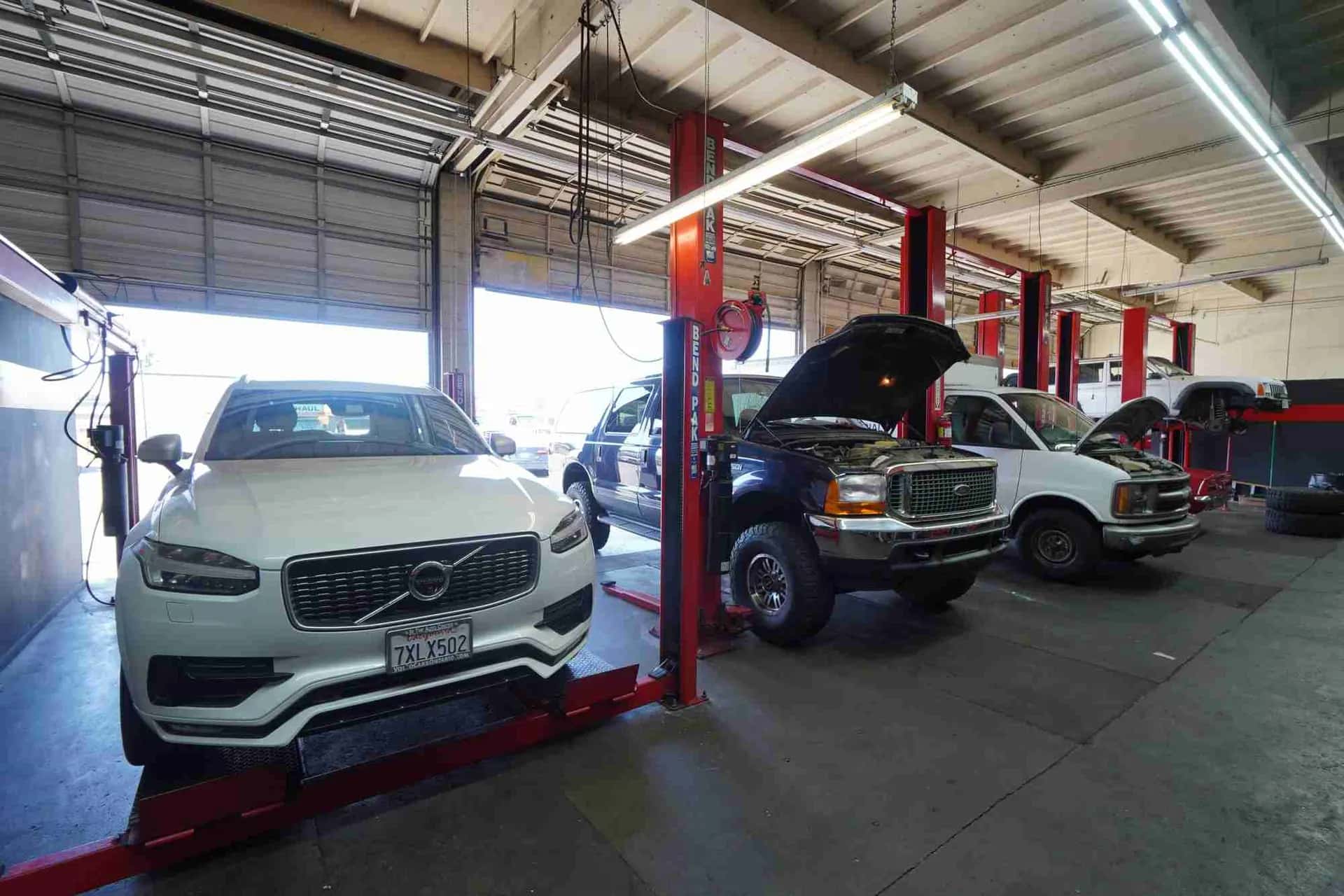
Route 66 Auto Repair in Upland finds and fixes engine oil leaks, from a loose drain plug to a rear main seal. Oil runs downhill and spreads with airflow, so the drip on your driveway is rarely where the leak starts. Our ASE-certified technicians clean the engine, add UV dye when needed, and trace the oil back to its source. You see photos of the wet spot, and your written estimate lists each leak separately so you can decide what gets done now.
What are the signs of an engine oil leak?
- Brown or black spots under the front of the car after it sits
- A burning oil smell after climbing the 210 or sitting in traffic
- Blue-gray smoke from under the hood at a stop
- Oil level dropping between changes with no smoke from the tailpipe
- Oily grime coating the underside of the engine and transmission
Where do engine oil leaks usually come from?
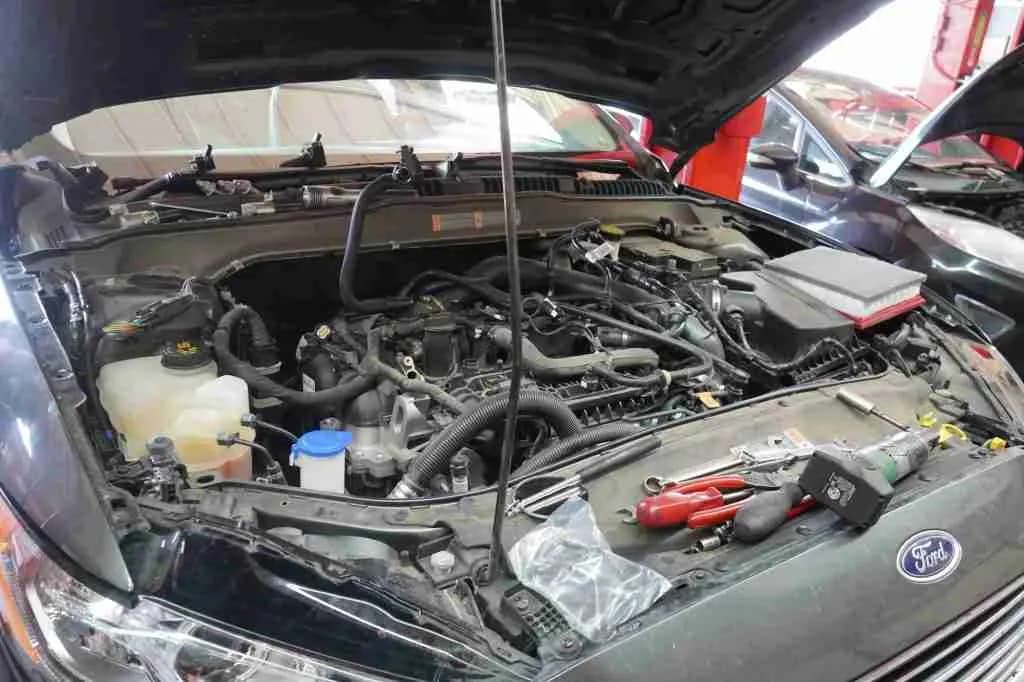
The usual suspects are the valve cover gasket, the oil pan gasket, the drain plug washer, the filter housing or adapter, the timing cover and the front and rear crankshaft seals. Heat hardens rubber, and Inland Empire summers do that faster.
Some leaks are cheap. A drain plug replacement takes minutes. Others, like a rear main seal, mean pulling the transmission. That is why finding the true source matters before anyone quotes. Top leaks often get fixed with valve cover gasket repair, and bottom leaks often lead to oil pan gasket replacement.
Our oil leak repair process
Step 1: Inspect and photograph
We lift the vehicle and document every wet area before cleaning.
Step 2: Clean and trace
The engine is degreased, UV dye is added if needed, and the vehicle is driven so the fresh leak shows up under a light.
Step 3: Estimate by leak
Each leak gets its own line, marked need-now or can-schedule.
Step 4: Repair and road test
Approved gaskets and seals are replaced to spec, then we road-test and recheck for fresh oil.
What's included in an engine oil leak repair
Included on the work order
- 01Lift inspection with photos of each leak
- 02Engine degreasing and UV dye trace when needed
- 03Written estimate with each leak listed separately
- 04Approved gaskets, seals and fasteners
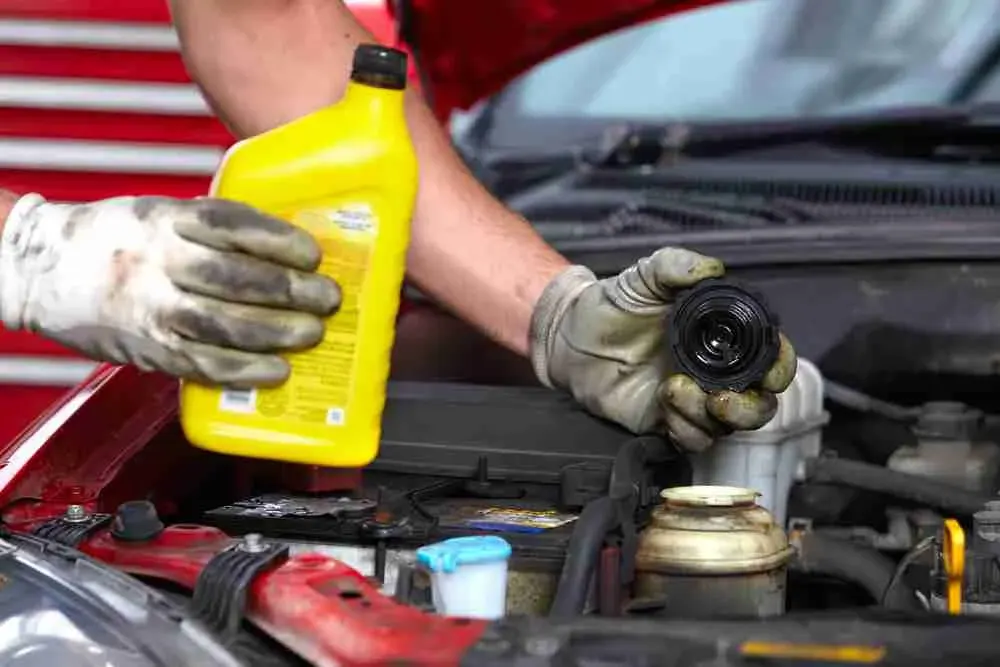
- 05Oil top-off or change as the repair requires
- 06Road test and post-repair leak check
Is it a need-now or need-later repair?
Need now: call
- Oil dripping onto the exhaust or a drive belt
- A leak fast enough to drop the level between fill-ups
- Oil soaking a rubber engine mount or coolant hose
Need later: book
- Dry seepage with no drips
- A damp gasket that holds its level from change to change
How pricing and timing work
Frequently asked questions
Is a small oil leak a big deal?
Not always. A dry seep can often wait and be watched. A leak that drips on hot exhaust or drops your oil level should be fixed soon. We mark each one clearly so you can plan.
Can oil leak additives fix it?
Seal conditioners sometimes slow a seep from a hardened gasket, but they do not fix torn seals or loose parts. We will tell you if your leak is the kind an additive might help.
Why does my car only leak after long drives?
Oil thins and expands when hot, and pressure is higher at speed. Leaks that stay hidden on short trips often show after a freeway run. That is why we drive the car during the trace.