
On this page
Route 66 Auto Repair in Upland replaces worn clutch plates on manual cars, pickups and work trucks. Clutch plate is the everyday name for the friction plate, the part that grips between the flywheel and the pressure plate. It wears every time you slip the clutch. This page focuses on why plates wear fast in Inland Empire driving and what helps a new one last, alongside how we do the replacement.
Why do clutch plates wear fast around Upland?
Stop-and-go on Foothill Blvd means dozens of launches every trip. Each one slips the plate a little, and slipping is wear. Hill starts in the foothill neighborhoods and on steep driveways add heat. Loaded work trucks and trailers ask the plate to carry more torque from a stop, and summer heat makes the whole assembly run hotter.
Fleet vehicles with several drivers wear plates unevenly, because each driver slips the clutch a different amount. If you manage a fleet, noting who drives which unit helps explain wear patterns. Our fleet managers page covers unit numbers on invoices.
What habits make a new clutch plate last?
- Keep your foot off the pedal while cruising, even lightly
- Shift to neutral at long lights instead of holding the pedal down
- Use the parking brake on hill starts instead of slipping the clutch to hold the car
- Launch with modest revs, especially with a load
- Start in first gear, not second, when pulling away
Our clutch plate replacement process
Step 1: Confirm wear
A hold test and a pedal check confirm the plate is slipping rather than a hydraulic fault.
Step 2: Remove the transmission
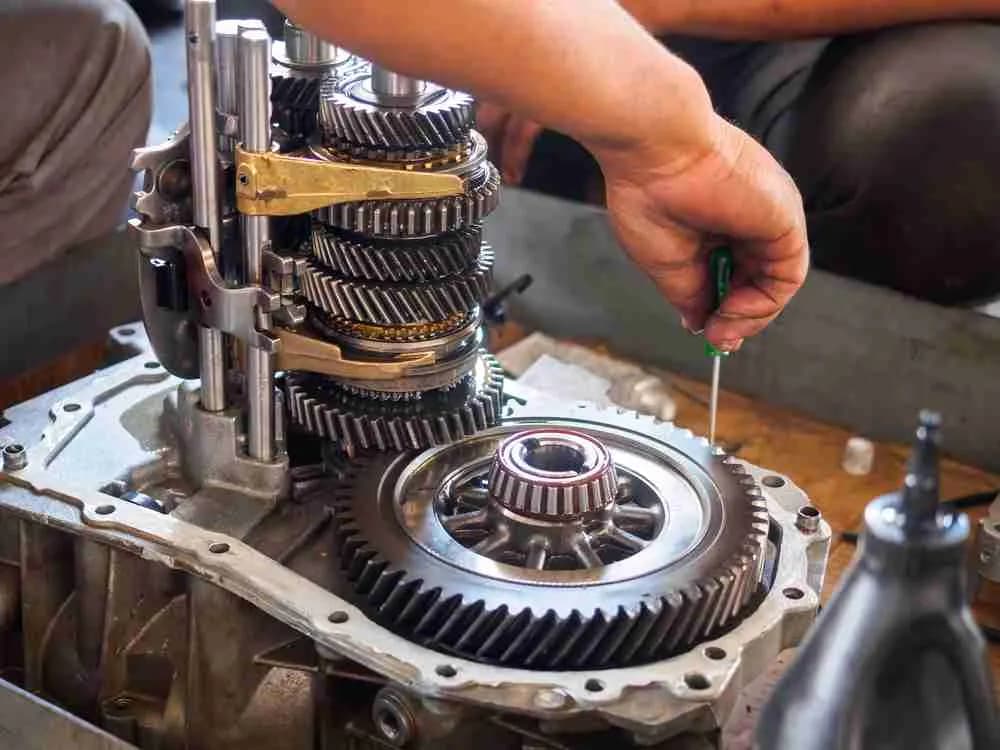
The gearbox comes out to expose the clutch assembly.
Step 3: Replace the set
The plate is replaced with a matched pressure plate and release bearing, and the flywheel is inspected.
Step 4: Align and install
The plate is centered with an alignment tool, bolts are torqued in sequence, and the gearbox is reinstalled.
Step 5: Road test
We check engagement, hill starts and every gear.
What's included in clutch plate replacement
Included on the work order
- 01New clutch plate
- 02Matched pressure plate and release bearing
- 03Flywheel inspection
- 04Pilot bearing check where fitted
- 05Hydraulic bleed if the system was opened
- 06Road test
Need-now or need-later?
Need now: call
- Slipping under load or on grades
- A truck that cannot pull its usual load
Need later: book
- A slowly rising engagement point with no slipping yet
How pricing and timing work
Most of the cost is removing and reinstalling the transmission. Heavy-duty plates for work trucks cost more than standard parts. If the flywheel needs attention, it is listed as a separate line, as explained on our flywheel resurfacing page. Phone quotes are ranges until we inspect.
Aftercare
Bed in the new plate with a few hundred miles of gentle driving before towing or hard launches. If anything feels different from what we described at pickup, call us. Our clutch repair page covers other symptoms to watch for.
Frequently asked questions
Is a clutch plate the same as a clutch disc?
In everyday use, yes. People say clutch plate for the friction disc. Some also use it for the pressure plate, so we confirm which part is meant on your estimate.
Should I replace only the plate?
We recommend replacing the plate, pressure plate and release bearing together, since the transmission is already out. Doing the plate alone risks paying for removal twice.
Does towing void anything on a new clutch?
Coverage depends on the part and the repair and is written on your invoice. Towing within your vehicle's rating after the break-in period is normal use.