
On this page
Pressure plate alignment is the installation detail that decides whether a new clutch works smoothly, and Route 66 Auto Repair in Upland treats it as a step of its own. The disc must be centered, the pressure plate must sit on its dowel pins, and the bolts must be tightened evenly. Skip any of that and you can get chatter, a clutch that will not release, or a damaged input shaft. We also correct alignment problems left by earlier installs.
What does clutch alignment involve?
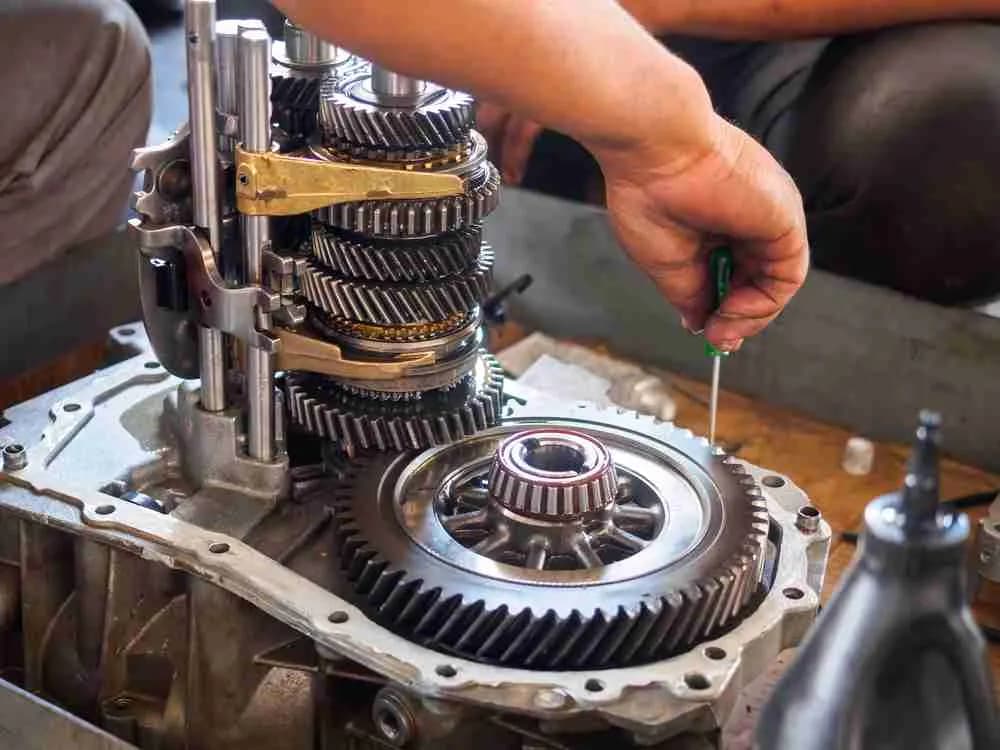
The clutch disc floats between the flywheel and the pressure plate until the plate is bolted down. An alignment tool slides through the disc hub into the pilot bearing to hold it centered while we tighten the plate. If the disc is off-center, the transmission input shaft will not slide in, and forcing it can bend the disc hub or damage the pilot bearing.
The pressure plate itself locates on dowel pins in the flywheel. If a dowel is missing or the plate is not fully seated, it runs off-center and causes vibration. Bolts are tightened a little at a time in a crisscross pattern so the plate is pulled down evenly and the diaphragm spring is not distorted.
What are the signs of a poorly aligned clutch?
- Chatter or shudder from a stop right after a clutch job
- Vibration that follows engine speed and was not there before
- Grinding into gear because the clutch does not fully release
- Noise from the pilot bearing area
- A pedal that feels uneven through its travel
Our clutch installation and alignment steps
Step 1: Clean mating surfaces
Flywheel and plate faces are cleaned so nothing contaminates the new disc.
Step 2: Check dowels and pilot bearing
Dowel pins are confirmed and the pilot bearing is inspected or replaced.
Step 3: Center the disc
The disc is fitted facing the right way and held centered with an alignment tool.
Step 4: Torque in sequence
Bolts are tightened in stages in a crisscross pattern to spec.
Step 5: Install and verify
The transmission slides in without force, and engagement is checked on a road test.
What's included in pressure plate alignment
Included on the work order
- 01Surface cleaning
- 02Dowel pin and pilot bearing check
- 03Disc centering with an alignment tool
- 04Staged, crisscross bolt torque
- 05Road test for chatter and release
Need-now or need-later?
Need now: call
- A clutch that will not release after a recent install
- Strong vibration after clutch work
Need later: book
- Mild chatter that appeared after a clutch job, checked at your convenience
How pricing and timing work
On our own clutch jobs, alignment is part of the installation. Correcting an earlier install means removing the transmission, and the price depends on what we find, such as a damaged pilot bearing or disc. Your written estimate shows every step. The pressure plate repair page covers parts damaged by poor installs.
Aftercare
Drive normally and note any vibration or chatter in the first week. A well-aligned clutch should feel smooth from the first drive. For other clutch concerns, start with our clutch repair page or a clutch system inspection.
Frequently asked questions
Can a misaligned clutch damage the transmission?
Forcing a transmission onto an off-center disc can damage the input shaft, disc hub and pilot bearing. That is why it should slide in without force.
My new clutch chatters. Is it alignment?
It can be. Oil contamination, a flywheel that needed resurfacing, and worn mounts are also common causes. We check each before removing the transmission.
Do you fix clutches installed elsewhere?
Yes. We inspect the work, explain what we find, and give you a written estimate. Customer-supplied parts are inspected, carry no parts warranty, and labor is charged at book time.