
On this page
Route 66 Auto Repair in Upland repairs worn synchronizers, the brass or carbon rings that match gear speeds so a manual transmission shifts without grinding. The usual complaint is a crunch going into one gear, often second or third, especially on a quick shift. We confirm the clutch releases fully and the gear oil is correct before the gearbox comes apart, then give you a written estimate.
What does a synchronizer do?
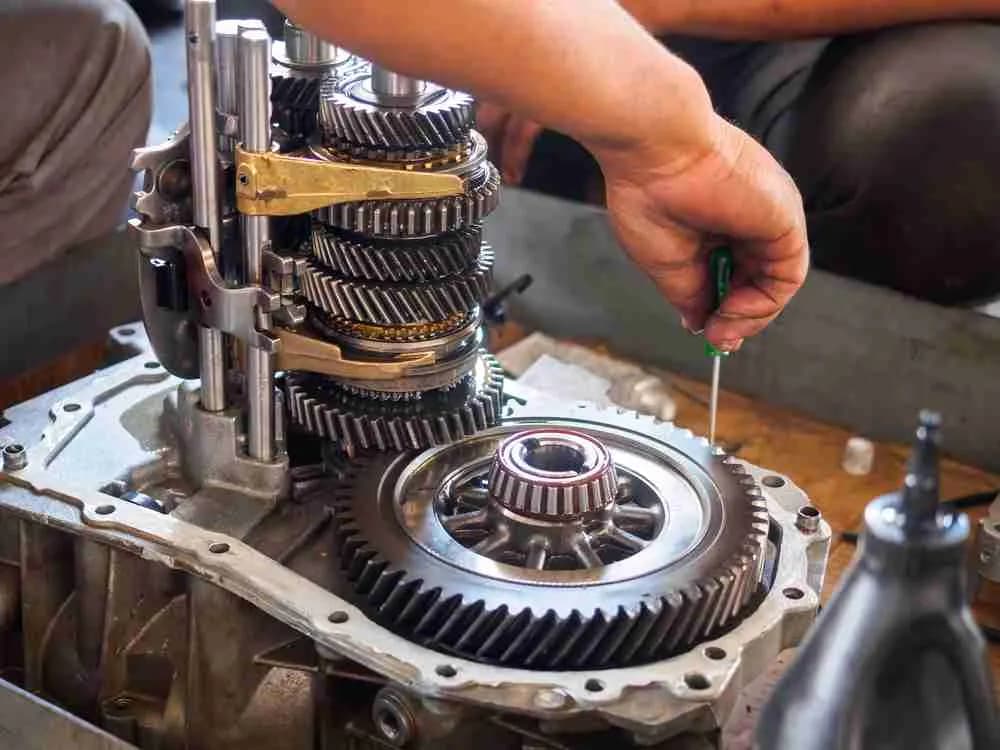
When you move the shifter, a sleeve slides toward the gear you picked. Before it can lock on, a synchronizer ring presses against a cone on the gear and uses friction to bring both to the same speed. Then the sleeve slides over smoothly. When the ring's friction surface wears down, speeds do not match in time and the teeth clash. That clash is the grind you hear and feel through the shifter.
Is it the synchronizer or the clutch?
- One gear grinds, others are fine: points to that gear's synchronizer.
- Grinds only on fast shifts, fine when slow: early synchronizer wear.
- Every gear grinds, including reverse from a stop: the clutch is not releasing. Check the hydraulic clutch service page.
- Grinding started after a fluid change: the wrong gear oil can change synchronizer friction. A drain and refill with the specified oil may help.
- Double-clutching makes it go away: strongly suggests synchronizer wear.
Our synchronizer repair process
Step 1: Test clutch release
We confirm pedal travel and release so the clutch is not the cause.
Step 2: Check the gear oil
Type and level are compared with the maker's specification.
Step 3: Remove and disassemble
The affected gear set is taken apart and rings, sleeves and cones are inspected.
Step 4: Replace and reassemble
Worn rings and any damaged sleeves or hubs are replaced, then the gearbox is refilled and road tested.
What's included in synchronizer repair
Included on the work order
- 01Clutch release and linkage check
- 02Gear oil inspection
- 03Gearbox removal and teardown
- 04Synchronizer rings and worn related parts
- 05Seals disturbed during the job
- 06Road test through each gear
Need-now or need-later?
Need now: call
- Grinding that makes a gear hard to get into on the road
- A gear that pops out after grinding
Need later: book
- A light crunch only on quick shifts, which a slower shift can manage for now
How pricing and timing work
The work is mostly removal and teardown. If we find worn bearings too, a full gearbox overhaul can be better value, and we call before changing the plan. Phone quotes are ranges until the gearbox is inspected.
Aftercare
New rings need a short break-in. Shift deliberately for the first few hundred miles. If you notice grinding return, bring it back. Keeping the specified gear oil in the box is the easiest way to protect the new parts, and our fluid level inspection can check it.
Frequently asked questions
Can I keep driving with a grinding gear?
Often yes, if you shift slowly or skip that gear. Each grind wears the teeth a little more, so plan the repair before the gear starts popping out.
Will thicker oil stop the grinding?
It might mask it for a while, but the wrong oil can make synchronizers work worse. We recommend the oil your maker specifies.
Why does it only grind when cold?
Cold gear oil is thicker and slows the synchronizer's work. Mild cold-only grinding is often early wear worth monitoring.