
On this page
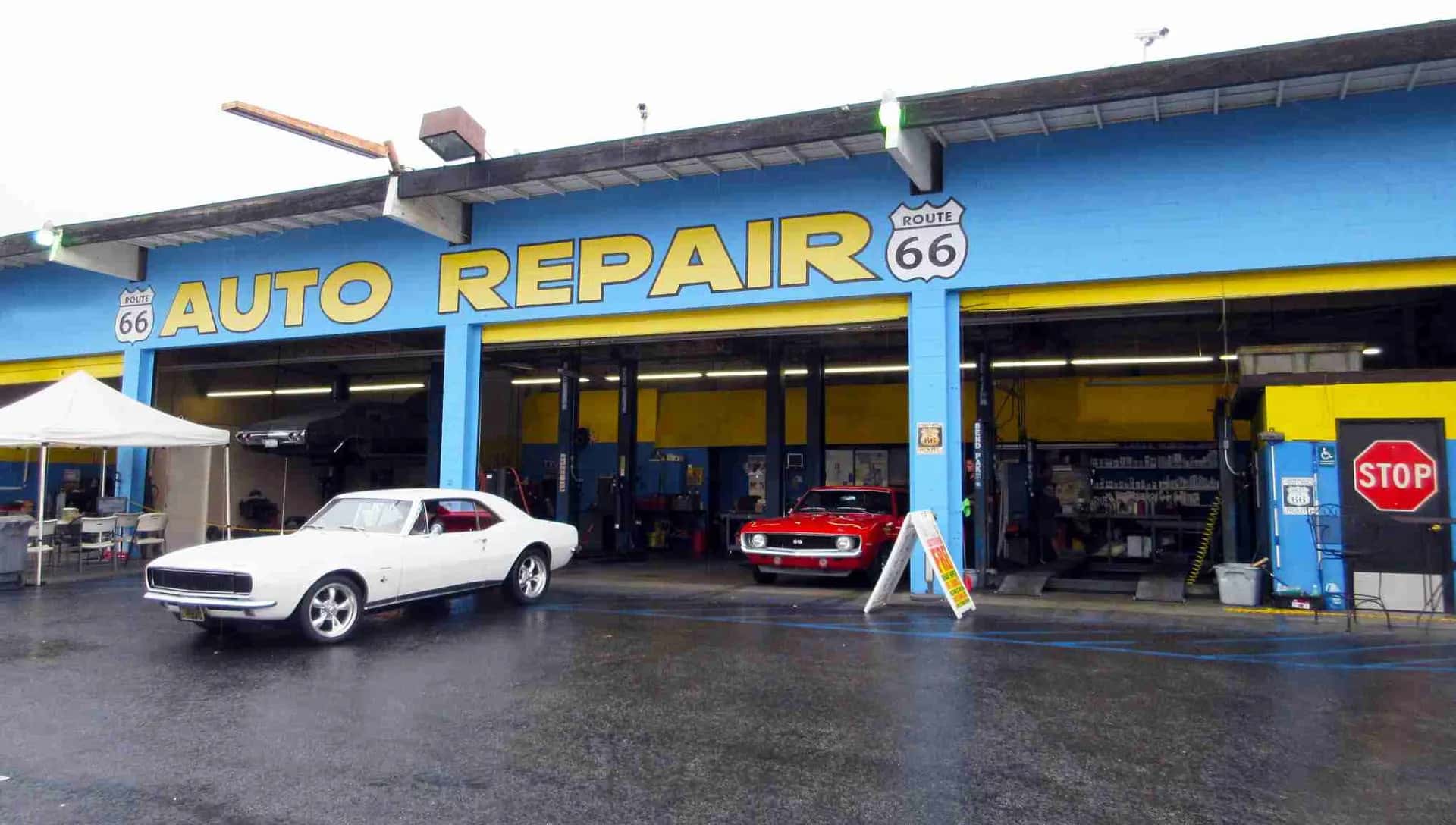
After a crash, the hardest part is not knowing how bad it is. Route 66 Auto Repair in Upland puts the car on a lift and looks past the visible dent: mounts, cooling parts, lights, steering and suspension. Our ASE-certified technicians photograph what they find and give you a written list, sorted by what we repair in-house, what goes to a collision shop, and what can wait. The assessment fee is stated at the counter first.
Why get an assessment before a repair quote?
A body quote based on what you can see often grows once the bumper comes off. An assessment finds the hidden items first, so you and your insurer see the fuller picture sooner. It also tells you whether it is safe to keep driving while you sort out the claim.
We scan for stored fault codes with an OBD-II scan, check the cooling system for leaks and inspect the underbody. Structural concerns are noted with photos and referred. Mechanical items we can repair are priced in the same estimate.
Our crash damage assessment process
Step 1: Intake
We note how the crash happened, the impact point and any warning lights.
Step 2: Lift and scan
The car goes on a lift, and we scan the modules for stored faults.
Step 3: Photograph findings
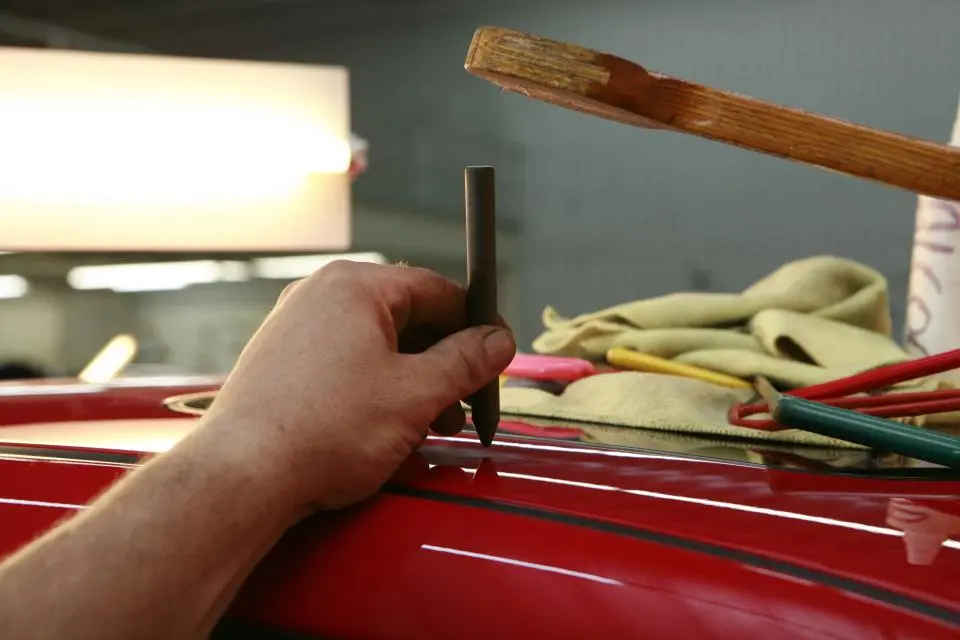
Damaged parts are photographed where the part is the point.
Step 4: Written report
You get a list sorted by in-house repair, collision shop referral and can-wait items.
What's included in a crash damage assessment
Included on the work order
- 01Lift inspection of the impact area and underbody
- 02Module scan for stored fault codes
- 03Cooling and AC leak check near the impact
- 04Steering, suspension and wheel check
- 05Photos of damaged parts
- 06Written, sorted repair list
What does the assessment usually flag as need-now?
Need now: call
- Fluid leaks from the radiator, condenser or engine area
- Steering or suspension parts that bent
- Lighting that no longer works
Need later: book
- Cosmetic cover damage with sound mounts
- Scuffed trim that is still secure
How is the assessment priced?
The assessment fee is stated at the counter before testing and applies to approved related repair. Most assessments fit in a visit when the board allows; tow-ins are welcome. Mechanical findings are then handled through crash damage repair.
What to do with the report
Share the photos and list with your insurer if you are filing a claim. Book the need-now items first, and keep the report for when referral work is done.
Frequently asked questions
Is my car safe to drive after a minor accident?
Not always. Leaks, bent steering parts and broken lamps can make it unsafe even when the body looks fine. An assessment answers that before you commute on it.
Will you give me photos for my insurance?
Yes. We photograph damaged parts and provide a written list. How your insurer uses them is up to the insurer.
Is the assessment free?
No. The fee is stated at the counter before we start, and it applies to approved related repair.