
On this page
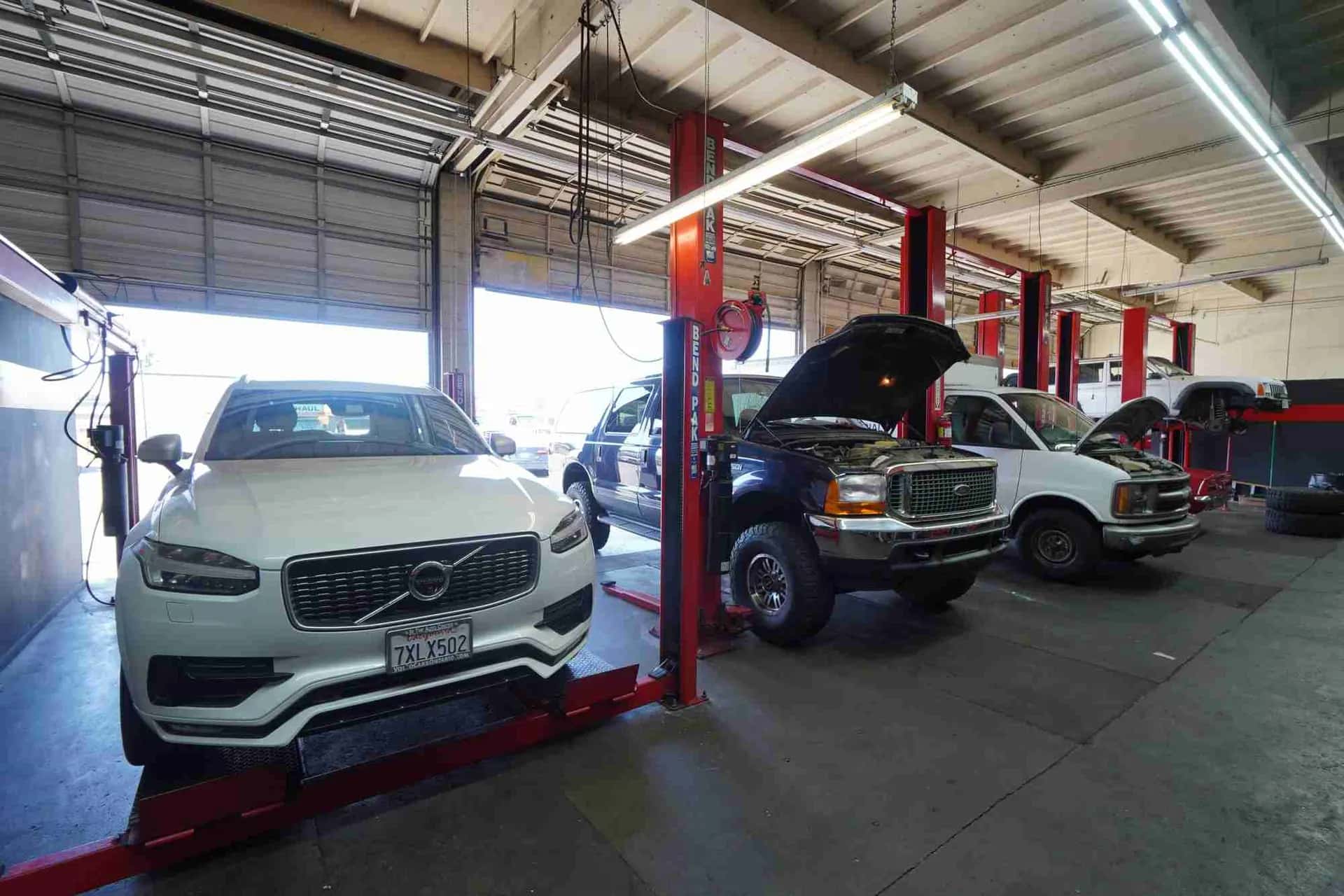
Route 66 Auto Repair in Upland repairs a wide range of vehicles: daily-driver sedans, family SUVs, half-ton pickups, work vans, diesels and classic cars. The testing and paperwork stay the same for all of them, but intake questions change with the vehicle. This page explains what we need to know about your type of vehicle before a technician starts.
Which vehicles do we repair, and what should you mention?
- Sedans and hatchbacks: mention commute distance and recent maintenance.
- SUVs and crossovers: tell us if you tow or carry heavy loads; it changes brake and cooling wear. AWD (all-wheel drive) systems need matched tires.
- Pickups and work vans: mention payload, towing and idle time. Commercial units can get unit numbers on invoices.
- Diesels: welcome. Our diesel engine services hub covers the specifics.
- Hybrids: tell us it is a hybrid at intake and we will explain what we can take on. See hybrid vehicle owners.
- Classic cars: bring any records; older systems reward patient testing. See classic car owners.
Why the rules are the same for every vehicle
A pickup and a compact car have different parts, but the risk of guessing is identical. So every vehicle gets the same sequence: the diagnostic fee stated first, testing, written findings, a written estimate with urgency labels and a road test after the repair. If a heavy component needs two technicians, we say so before the clock starts. Light body and glass damage can be handled in-house; for major structural damage, we assess it and explain your options.
Our vehicle repair process
Step 1: Vehicle-specific intake
We ask the questions that matter for your type of vehicle.
Step 2: Testing
The technician uses the procedure and specs your manufacturer sets.
Step 3: Estimate
You approve a written estimate with need-now and need-later lines.
Step 4: Repair and road test
Work is checked and driven, loaded if the complaint only happens under load.
What's included in vehicle repair
Included on the work order
- 01Intake questions matched to vehicle type
- 02Manufacturer specs and procedures
- 03Written estimate before extra work
- 04Two-technician jobs explained in advance
- 05Road test suited to how the vehicle is used
Urgency differs by how you use the vehicle
Need now: call
- Brake or tire wear on a vehicle that tows or hauls
- Cooling faults on a van that idles for hours
Need later: book
- Interior wear items on a commuter car
- Minor lighting issues that do not affect visibility
How pricing and timing work
Aftercare
If your vehicle tows or hauls, ask whether the repair needs a lighter first few days. Keep the invoice with the vehicle's records.
Frequently asked questions
Do you work on hybrid vehicles?
Tell us it is a hybrid at intake and we will explain what we can take on for your specific vehicle. Many conventional systems on hybrids, such as brakes and suspension, are familiar work.
Can you repair a lifted or modified truck?
Tell us about the modifications at intake. Aftermarket parts can change how testing is done, and the service writer will explain any limits before work starts.
Do you handle collision damage?
Light body and glass work is done in-house. For major structural damage, we assess the vehicle and explain your options honestly.