
On this page
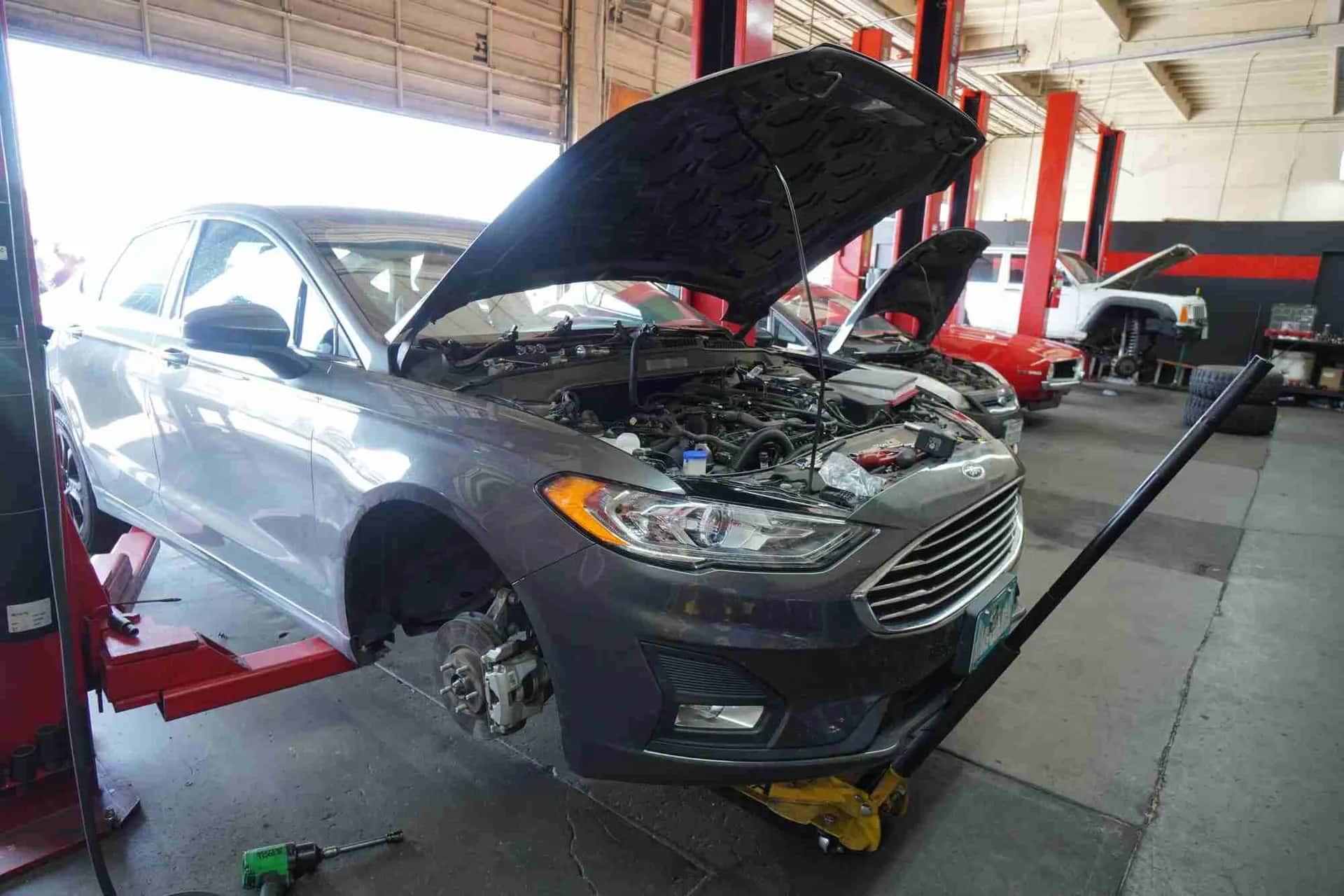
Brake fluid leak detection means finding exactly where fluid is escaping before anyone replaces parts. Route 66 Auto Repair in Upland traces leaks from the reservoir to each wheel, photographs the wet spot, and writes the source on your repair order. A brake leak is never just a nuisance drip: less fluid means less stopping power. Our ASE-certified technicians find the cause and give you a written estimate for the fix before any work begins.
How do you know brake fluid is leaking?
- A clear to amber, slightly slick puddle near a wheel
- Reservoir level dropping between checks
- The red brake warning light on the dash
- A wet inner tire sidewall or streaks on the wheel
- Damp paint under the master cylinder, since brake fluid lifts paint
- A pedal that feels lower than it used to
Is that puddle brake fluid or something else?
Brake fluid is usually clear to light brown and feels slippery, a bit thinner than engine oil. Coolant is often green, orange or pink and smells sweet. Engine oil is darker and thicker. Water from the AC drain is plain and collects near the front passenger footwell area.
Location helps too. A spot inside a wheel points to a caliper, wheel cylinder or hose. A spot behind the engine on the driver side can be the master cylinder. If you are unsure, a photo of the puddle helps the counter. An engine oil leak is a different visit.
Our leak detection process
Step 1: Clean and pressurize
Suspect areas are cleaned so fresh wetness stands out, then the pedal is applied.
Step 2: Trace each corner
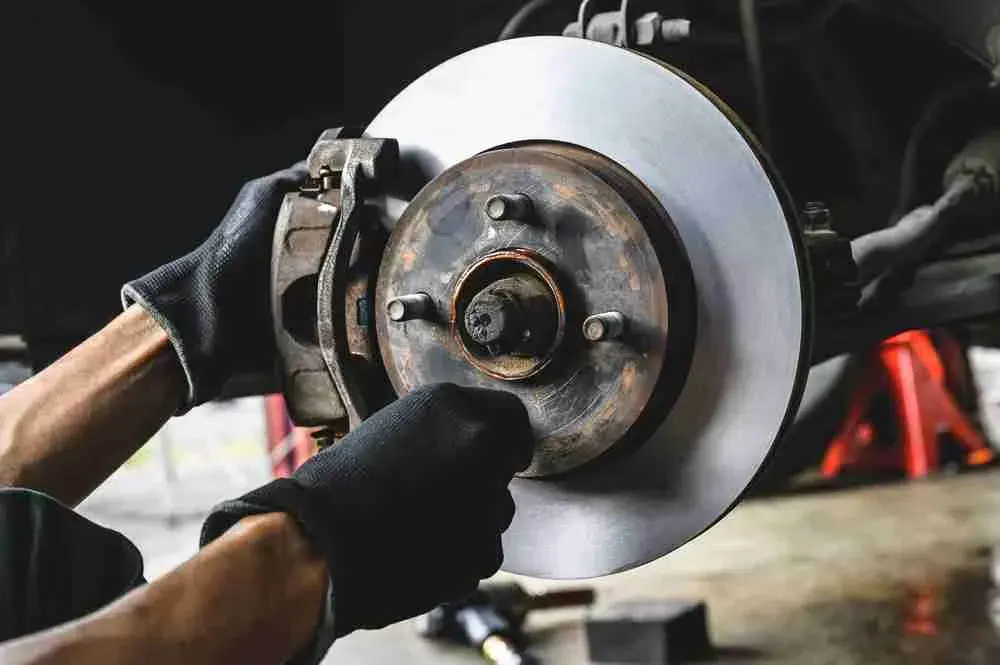
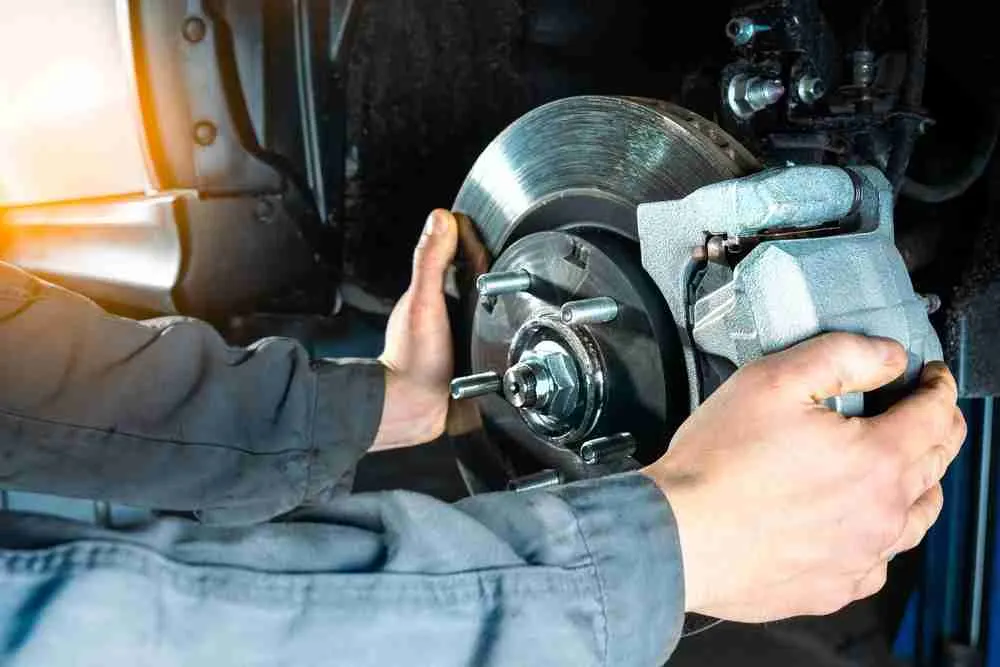
We check calipers, wheel cylinders behind drums, hoses, lines and fittings.
Step 3: Check the master cylinder
The rear seal can leak into the brake booster, so we look there as well.
Step 4: Photograph and quote
The leak point is photographed and a written estimate covers the repair.
What's included
Included on the work order
- 01Reservoir level and cap check
- 02Inspection of all four wheel ends, including drums where fitted
- 03Line, hose and fitting trace
- 04Master cylinder and booster check
- 05Photos of the leak source
- 06Written estimate with need-now and need-later labels
Need-now or need-later?
Need now: call
- Any active brake fluid leak
- A warning light with a low reservoir
- Fluid on pads or shoes, which reduces grip
Need later: book
- A level that dropped only from normal pad wear, with no wetness
- An old dried stain with no fresh fluid
How pricing and timing work
Aftercare
Check the reservoir weekly for the first month after the repair. A stable level confirms the fix. Brake fluid that soaked pads or shoes means those parts should be replaced, and we note that on your estimate.
Frequently asked questions
Why is my brake fluid low if I cannot see a leak?
As pads wear, the caliper pistons move out and the level drops a little. That is normal. A bigger drop without a puddle can mean the master cylinder is leaking into the booster, which hides the fluid. We check both.
Can I drive with a brake fluid leak?
We advise against it. Every stop pushes more fluid out and air can get in. If the pedal is soft or the warning light is on, have it towed in.
Will you replace parts before finding the leak?
No. We find and photograph the source first. Then you get a written estimate for that repair. If more work is needed later, we stop and ask again.