
On this page
Brake hardware is the set of small clips, shims, springs and rubber boots that hold pads and shoes in position. Route 66 Auto Repair in Upland replaces worn hardware that causes rattles, squeals and pads that wear on a slant. These parts cost little but decide how quiet and even a brake job stays. We show you the old pieces next to the new ones and list every item on a written estimate.
What counts as brake hardware?
On disc brakes and drum brakes, hardware includes:
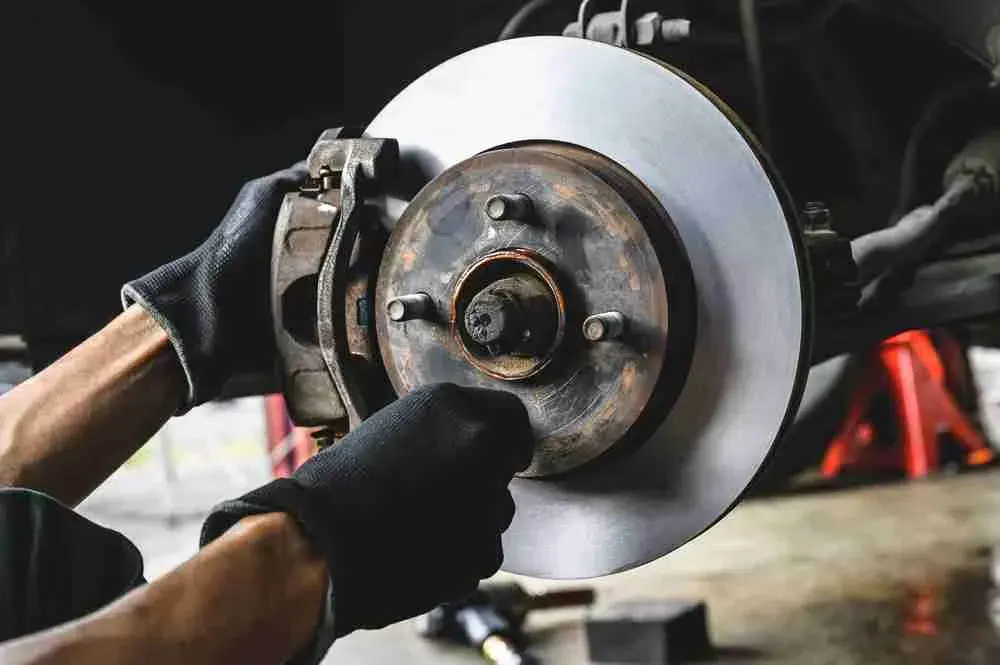
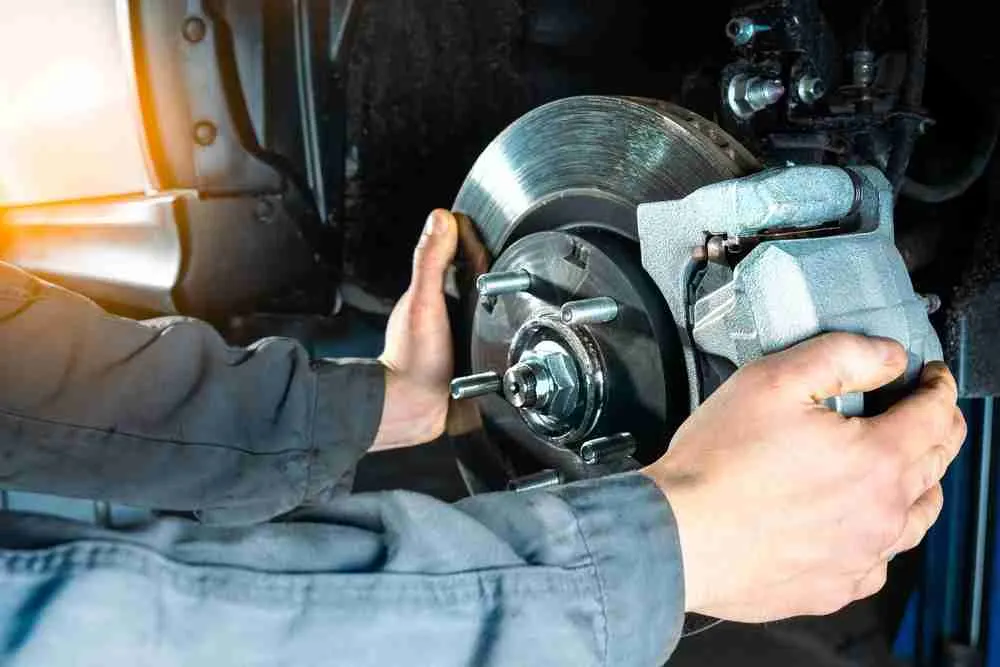
- Abutment clips: the stainless slides the pad ears ride on inside the caliper bracket
- Shims: thin layered plates on the back of each pad that damp vibration
- Anti-rattle springs and wear clips that keep pads from chattering
- Slide pin boots: rubber covers that keep water and dust off the guide pins
- Drum brake return springs, hold-down pins and adjuster springs
How does hardware wear out?
Heat is the main enemy. Clips lose their spring tension after years of hot and cold cycles on Foothill Blvd in July. Rust builds up under clips on the bracket, which pinches the pad so it cannot slide back. A pad that cannot slide wears on one end, drags and runs hot.
Boots crack and let grit into the slide pins. Once that happens, the caliper stops floating evenly, and one pad wears much faster than the other. The bolts and guide pins themselves are a separate topic covered on our caliper bolt replacement page.
Our brake hardware repair process
Step 1: Read the wear pattern
Tapered or uneven pads tell us which part is binding before we unbolt anything.
Step 2: Strip the bracket
Old clips come off and the bracket is cleaned down to bare metal where the pads slide.
Step 3: Fit new hardware
New clips, shims, springs and boots go on, with the right high-temperature lubricant only where it belongs.
Step 4: Check the slide
Each pad must move freely by hand in its bracket before the caliper goes back on.
Step 5: Road-test
We drive the car over rough pavement to listen for rattles and brake to check for noise.
What's included in brake hardware repair
Included on the work order
- 01Pad and shoe wear pattern review
- 02Bracket rust removed at the abutments
- 03New abutment clips and anti-rattle springs
- 04Shims fitted or renewed
- 05Slide pin boots replaced where torn
- 06Correct lubricant at each contact point
Need-now or need-later?
Need now: call
- A pad stuck in its bracket and dragging
- A missing clip or spring letting a pad shift
- A drum return spring broken inside the drum
Need later: book
- A light rattle over bumps with even pad wear
- A boot starting to crack but still sealed
How pricing and timing work
Aftercare
The brakes should be quiet over bumps and pads should wear evenly from now on. At your next tire rotation, ask us to look at pad wear on both sides; a slant coming back early points to a slide or bracket issue. If a squeal starts, our brake pad alignment page explains what we check.
Frequently asked questions
Can I reuse the old clips when I change pads?
You can, but it is a common reason a new brake job squeals or wears unevenly. Old clips have lost tension and often have rust behind them. We recommend new hardware with every pad change.
Why do my brakes rattle over bumps but not when I stop?
When you brake, the pads are clamped and cannot move. Over bumps, they are free, so loose or missing anti-rattle springs and worn clips let them knock inside the bracket.
Where should brake grease go?
Only on sliding contact points, using high-temperature brake lubricant. It must never touch pads, shoes or the rotor face.