
On this page
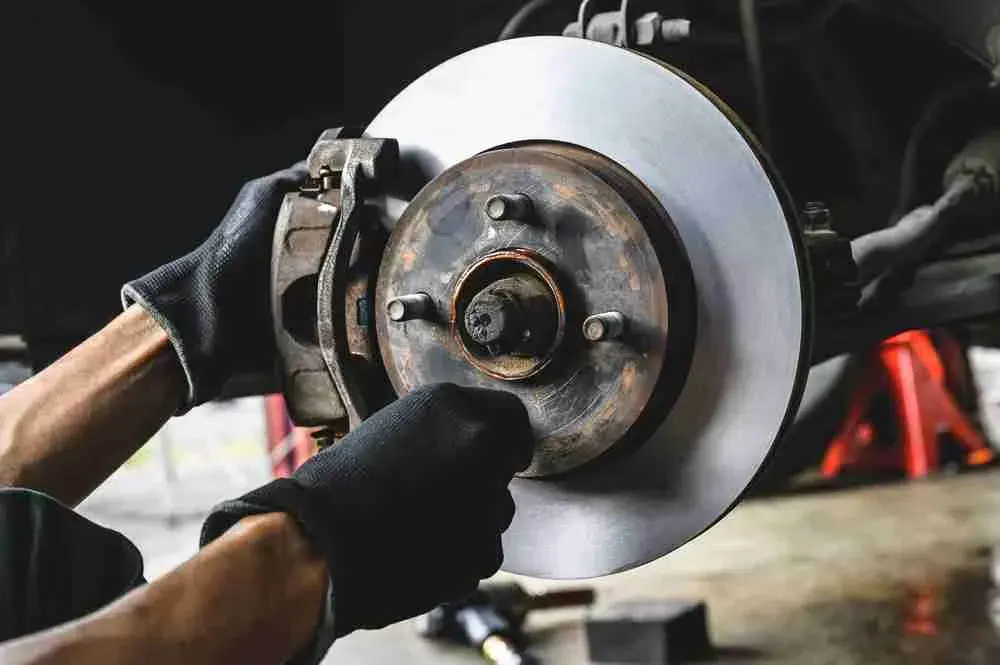
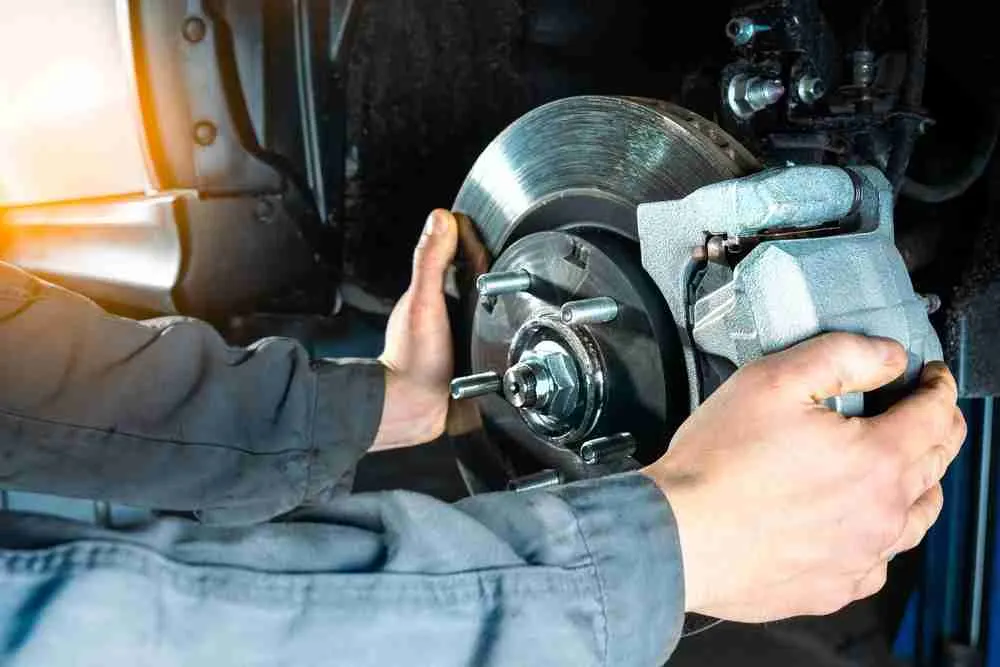
Brake pad alignment means the pad sits square to the rotor and meets it across its whole face. Route 66 Auto Repair in Upland corrects pads that wear on a slant, touch only at one edge, or were installed with the wrong fit. This is about the brake itself, not a wheel alignment. We read the wear, find what is holding the pad crooked, fix it and seat the pads so they stop quietly.
What does a misaligned pad look like?
Pull a worn pad and look at it from the side. A healthy pad is the same thickness from end to end. A tapered pad is thick at one end and thin at the other, like a wedge. A pad can also wear thin across its top edge only, which means it is riding high on the rotor.
Taper usually means something is holding the pad at an angle: a caliper that does not float, a sticky clip, a bent bracket, or a pad from the wrong application. A lot of it shortens pad life and can cause a pull.
What symptoms point to a pad fit problem?
- Squeal right after new pads went on
- Pads worn out much faster on one wheel
- A pull to one side under light braking
- A shiny band on only part of the rotor face
Our pad alignment process
Step 1: Measure both ends
We measure each pad at the leading and trailing ends to put a number on the taper.
Step 2: Compare the parts
The pad shape is checked against the bracket and rotor to confirm it is the right part.
Step 3: Free the caliper
Slides, clips and pistons are checked so the caliper centers itself over the rotor.
Step 4: Check the bracket
We look for a bent or worn bracket and for rust scale that tilts the pad.
Step 5: Seat and bed
Pads are refitted or replaced, then bedded with a series of controlled stops.
What's included in brake pad alignment
Included on the work order
- 01Taper measurement on each pad
- 02Part number check against your vehicle
- 03Caliper slide and piston movement check
- 04Bracket inspection for wear or bending
- 05Contact pattern review on the rotor
- 06Pad bedding and road test
Need-now or need-later?
Need now: call
- A pad worn to metal at one end
- A pull that makes the car change lanes when you brake
- A wrong pad that sits partly off the rotor
Need later: book
- Slight taper within the maker's allowance
- A light squeal with even, healthy pads
How pricing and timing work
Aftercare
Give the pads a gentle first week. If a pull remains after the brakes check out, it may be tires or suspension. We inspect tire wear and suspension, and when a wheel alignment is needed, we arrange it and road-test the result.
Frequently asked questions
Is brake pad alignment the same as a wheel alignment?
No. Brake pad alignment is about how the pad sits against the rotor. A wheel alignment sets the angles of the tires. Both can cause a pull, so we check the brakes first and tell you if tires or suspension are involved.
How much taper is normal?
Makers allow a small difference between the two ends of a pad. The exact figure varies. We measure and compare with your vehicle's service information rather than guessing by eye.
Why do new pads need bedding?
Bedding lays a thin, even layer of pad material on the rotor. Without it, pads can grab in spots, squeal or create uneven deposits that feel like a warped rotor.