
On this page
Brake lines are the steel tubes that carry fluid from the master cylinder to each wheel. When one leaks, rusts or gets crushed, Route 66 Auto Repair in Upland replaces the damaged run with proper brake tubing and correctly formed flares, bleeds the system and checks for leaks under pressure. A leaking line is a stop-driving problem, and we will say so plainly.
How do you know a brake line is failing?
- A pedal that sinks or sits much lower than normal
- Wet spots of clear to amber fluid near a wheel or along the frame
- The level in the brake fluid reservoir dropping
- A red brake warning light for low fluid
- Flaking, swollen rust on the lines when you look underneath
Why do brake lines fail?
Steel lines rust from the outside. That happens more slowly here than in snow country, but cars brought in from colder states, cars kept near the coast, and cars that sit for long periods can still rot. Lines also corrode from the inside when old brake fluid holds water. Our brake line corrosion repair page goes deeper on rust.
Physical damage is the other cause: a line pinched by a floor jack, bent on a curb or speed bump, or rubbed through where a clip broke. Lines near the fuel tank and the rear axle are common trouble spots.
How do we repair a brake line?
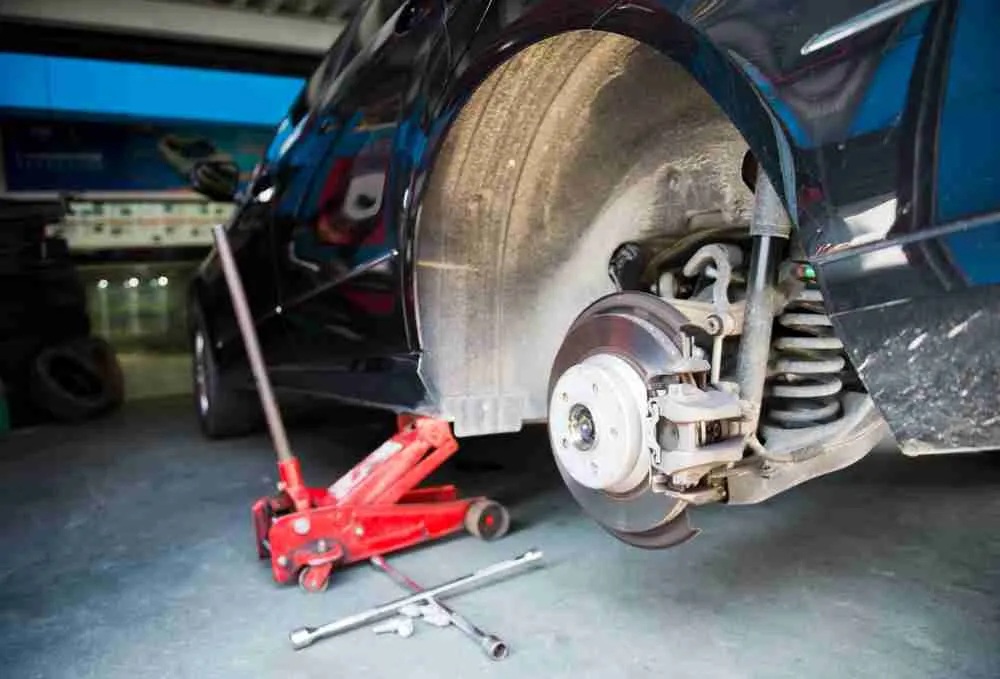
We replace the damaged run from fitting to fitting when we can, or a longer section when the rest of that line is also rusty. New tubing is bent to follow the factory path and clipped so it cannot vibrate. The flares at each end are formed in the style your vehicle uses, since double flares and bubble flares are not interchangeable. Your written estimate shows every step.
If one line has rusted through, we look hard at the others and at each rubber brake hose. We point out anything close to failing, with photos, and you decide whether to handle it now or later.
Our brake line repair process
Step 1: Locate the leak
We trace the wet area to the exact line or fitting and inspect the other lines.
Step 2: Replace the run
The damaged section is removed and new tubing is bent, flared and fitted.
Step 3: Secure
Lines are clipped on the factory path, away from exhaust heat and moving parts.
Step 4: Bleed and pressure check
The system is bled and held under pedal pressure while we watch every new joint. Our brake line pressure testing page explains that check.
Step 5: Road test
We confirm a firm pedal and straight, even stops.
What's included in brake line repair
Included on the work order
- 01Leak trace and inspection of all lines
- 02New brake tubing with correct flares
- 03Clips and routing on the factory path
- 04Brake bleed with the fluid your vehicle specifies
- 05Leak check under pressure
- 06Road test
Can you drive with a leaking brake line?
Need now: call
- Any active fluid leak from a line or fitting
- A pedal that sinks toward the floor
Need later: book
- Surface rust on lines that are still solid
- A loose clip that has not yet let a line rub
What affects the price of brake line repair?
Frequently asked questions
Why is there fluid near my back wheel?
It could be a brake line, a wheel cylinder, a caliper or an axle seal. Brake fluid is usually clear to amber and slick. If your pedal feels different, do not drive far; call us or arrange a tow.
Can you fix just the bad part of the line?
Often, yes, from one fitting to the next. If the rest of that line is also rusty, a longer section makes more sense. We show you the condition and let you choose.
Is a soft pedal always a brake line?
No. Air in the fluid, a leaking hose or caliper, or a worn master cylinder can do it too. A leak check and a look at the fluid level usually narrow it down quickly.