
On this page
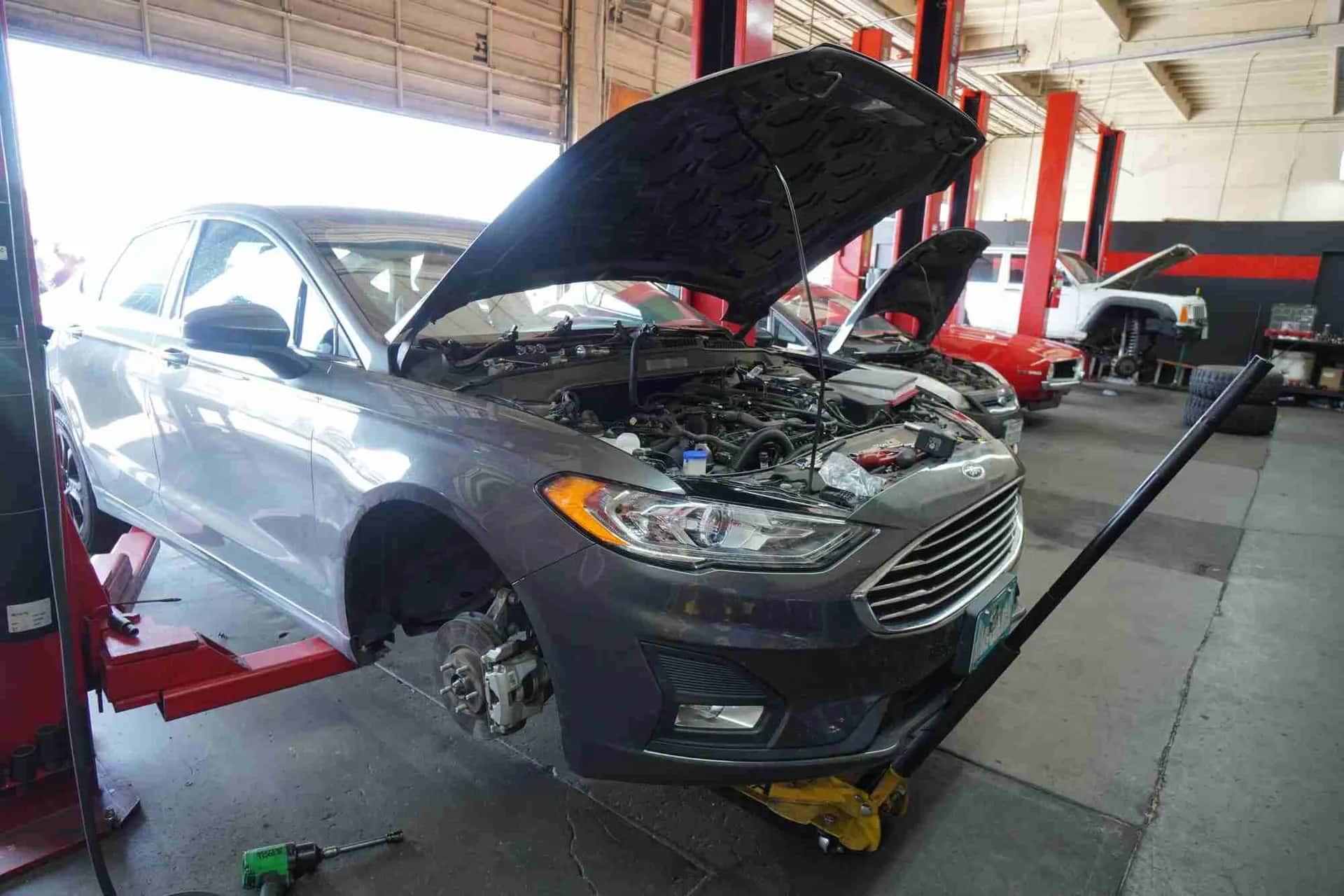
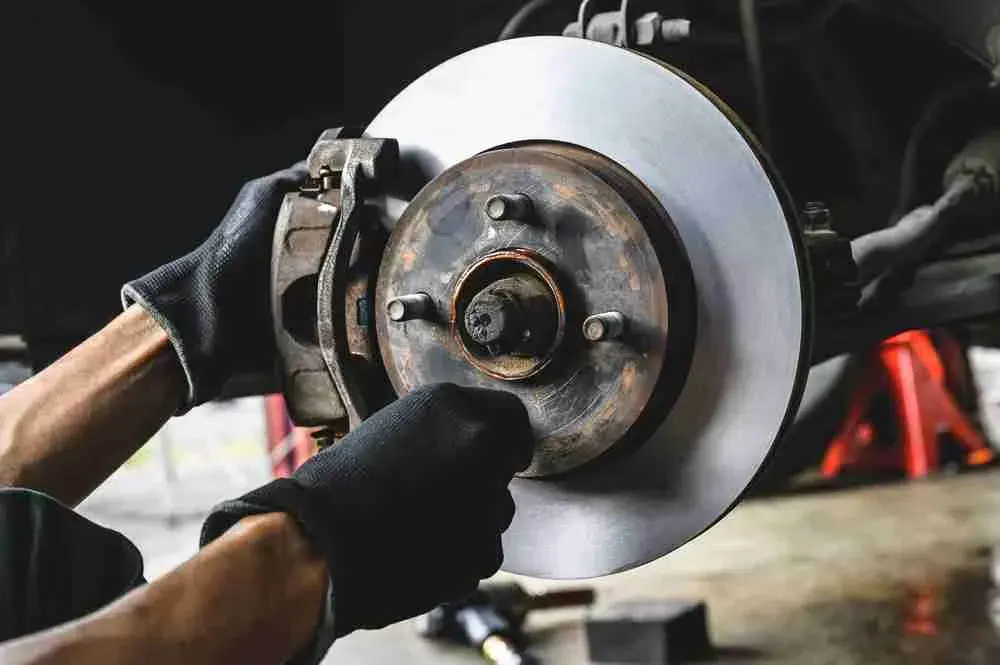
Rusted steel brake lines can burst under a hard stop with little warning. Route 66 Auto Repair in Upland inspects corroded lines, photographs the worst spots, and replaces the damaged runs with properly flared new tubing as part of our brake line repair work. Our dry climate is kind to metal, but many cars here came from snow or coastal states, and those undercarriages carry the rust with them. You see the photos and a written estimate before a single fitting is loosened.
How do you know brake lines are corroding?
- Flaky or swollen scale on lines along the frame rail
- A wet spot or fluid trail near a rusty section
- The brake warning light comes on with a low reservoir
- The car was registered in a snow-belt or coastal state before California
- A shop noted rust on a previous brake system inspection
Should you patch a section or replace the whole line?
Surface rust on a line that still has solid wall can be left and watched. Scale that flakes away to pits, or a line swollen under its clips, is losing wall thickness and should come out. If the rust is limited to one spot, a new section joined with correct fittings can be fine.
When the whole run is pitted end to end, splicing only moves the failure point. In that case we quote the full run, and the estimate shows both choices with the reason we lean one way.
Our corrosion repair process
Step 1: Lift and photograph
We raise the car and take photos of each corroded area, clips and fittings included.
Step 2: Map the damage
Every line is traced from the master cylinder to the wheels and marked good, watch or replace.
Step 3: Form new tubing
Replacement line is bent to follow the original route and flared to match the fittings.
Step 4: Bleed and test
The system is bled, checked for leaks under pressure and road-tested.
What's included in brake line corrosion repair
Included on the work order
- 01Underbody photos of corroded lines
- 02Replacement line with matching flare type
- 03New clips or grommets where old ones rusted away
- 04Fittings replaced where the nut would not release
- 05System bleed and leak check
- 06Road test and quality check
Need-now or need-later?
Need now: call
- Any line that is wet, weeping or pitted through
- Heavy scale on lines near the fuel tank or rear axle
Need later: book
- Light surface rust with a clean, firm wall
- Rusty clips on otherwise sound lines
How pricing and timing work
Aftercare
Look under the car for fresh drips over the first few days. If you have other rusty lines we marked as watch items, we recheck them at your next visit. Recalls sometimes cover line corrosion, so check the NHTSA recall lookup (opens in a new tab) with your VIN.
Frequently asked questions
Can a rusted brake line really burst?
Yes. A line loses wall thickness from the outside in, and a hard stop spikes the pressure inside. The weak spot can split, and you lose part of your braking. Modern cars have split circuits, so you keep some brakes, but stopping distance grows a lot.
Why are you recommending more than the one leaking spot?
If the lines next to the leak are pitted the same way, they are close behind. We show you photos of each area and label them need-now or need-later, so you decide with the evidence in front of you.
Do you use rubber hose to patch a steel line?
No. A steel brake line is repaired with steel or approved tubing and proper flared fittings. Rubber hose is only used where the design calls for a flexible brake hose, at the wheels and axle.