
On this page
Heater core hoses carry hot coolant from the engine to the heater core and back, and when one leaks, the puddle usually shows up near the back of the engine. Route 66 Auto Repair in Upland pressure tests the system, finds the failing hose, clamp or plastic fitting, and replaces it before a small drip turns into an overheated engine on the 210. Your written estimate names the exact piece.
What are the signs of a heater hose leak?
- Coolant drip near the rear of the engine or under the windshield area
- Sweet smell outside the car after a drive, with dry carpet inside
- Steam rising from the back of the hood at a stop
- Coolant reservoir dropping a little each week
- A hose that feels soft, swollen or crunchy when squeezed cold
What actually fails on a heater hose?
Hoses break down from the inside, so one can look fine and still weep at the ends. Many newer engines also use plastic elbows and quick-connect fittings at the firewall. Heat cycles make that plastic brittle, and a fitting can crack when someone bumps it during other work. Spring clamps lose tension over time, too.
This is a different repair from a leaking core. If the carpet is wet or the windows fog with a greasy film, the core itself is the suspect, and our heater core service page covers that test.
Our heater hose repair process
Step 1: Pressure test
The cooling system is pressurized cold so we can watch every hose and fitting for seepage.
Step 2: Check the neighbors
Both heater hoses, clamps, the valve if equipped and the firewall fittings are inspected together.
Step 3: Replace and secure
Failed hoses or fittings are replaced with new clamps and routed away from heat and sharp edges.
Step 4: Refill and bleed
The coolant your engine specifies is added, air is purged, and heat output is confirmed.
What's included in heater core hose repair
Included on the work order
- 01Cooling system pressure test
- 02Inspection of both heater hoses and firewall fittings
- 03Replacement hose, elbow or quick-connect as quoted
- 04New clamps at the repaired joint
- 05Coolant top-off and air bleed
- 06Heat output and leak recheck
Should you fix it now?
Need now: call
- Visible drip or steam, or a reservoir that drops fast
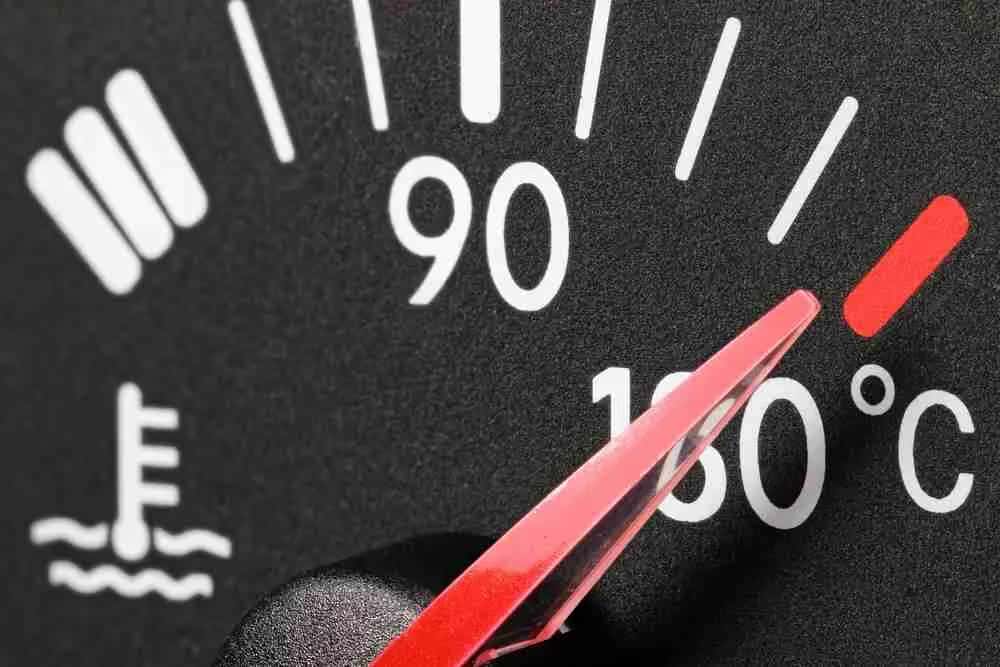
- Temperature gauge climbing above normal
- A cracked plastic fitting that could separate
Need later: book
- Hose that is aging but dry under pressure
- Clamps with light crust but no seepage
What does the repair involve in time and cost?
A hose reachable from the top is a short job. Some engines tuck the heater connections under the intake manifold or behind the cowl, and that adds labor. Molded hoses from the maker can cost more than generic ones, and the estimate shows the choice when there is one. Coolant is its own line. If a heater control valve sits in the same hose and is leaking too, it is quoted separately. Many hose repairs finish the same day when the board allows. A tired hose often has tired neighbors, so we may also point to radiator hose replacement as a later item.
After the repair
Check the reservoir cold each morning for a few days, since trapped air can work its way out and lower the level. Watch the temperature gauge on the first long climb. If the level keeps dropping, call (909) 646-4111 and we will recheck it at the front of the line.
Frequently asked questions
Can I use a universal hose from the parts store?
Sometimes. Tight bends near the firewall often need a molded hose, because a bent straight hose can kink and cut heater flow. We tell you which your engine needs.
Will stop-leak fix a heater hose?
No. Stop-leak is meant for pinholes in metal and does nothing for a split hose or a cracked fitting. It can also clog the heater core, which is a much bigger repair.
Is it safe to drive with a small heater hose leak?
For a short distance if the level stays up and the gauge stays normal. Never open a hot cap, and fix it before a long drive or a steep grade.