
On this page
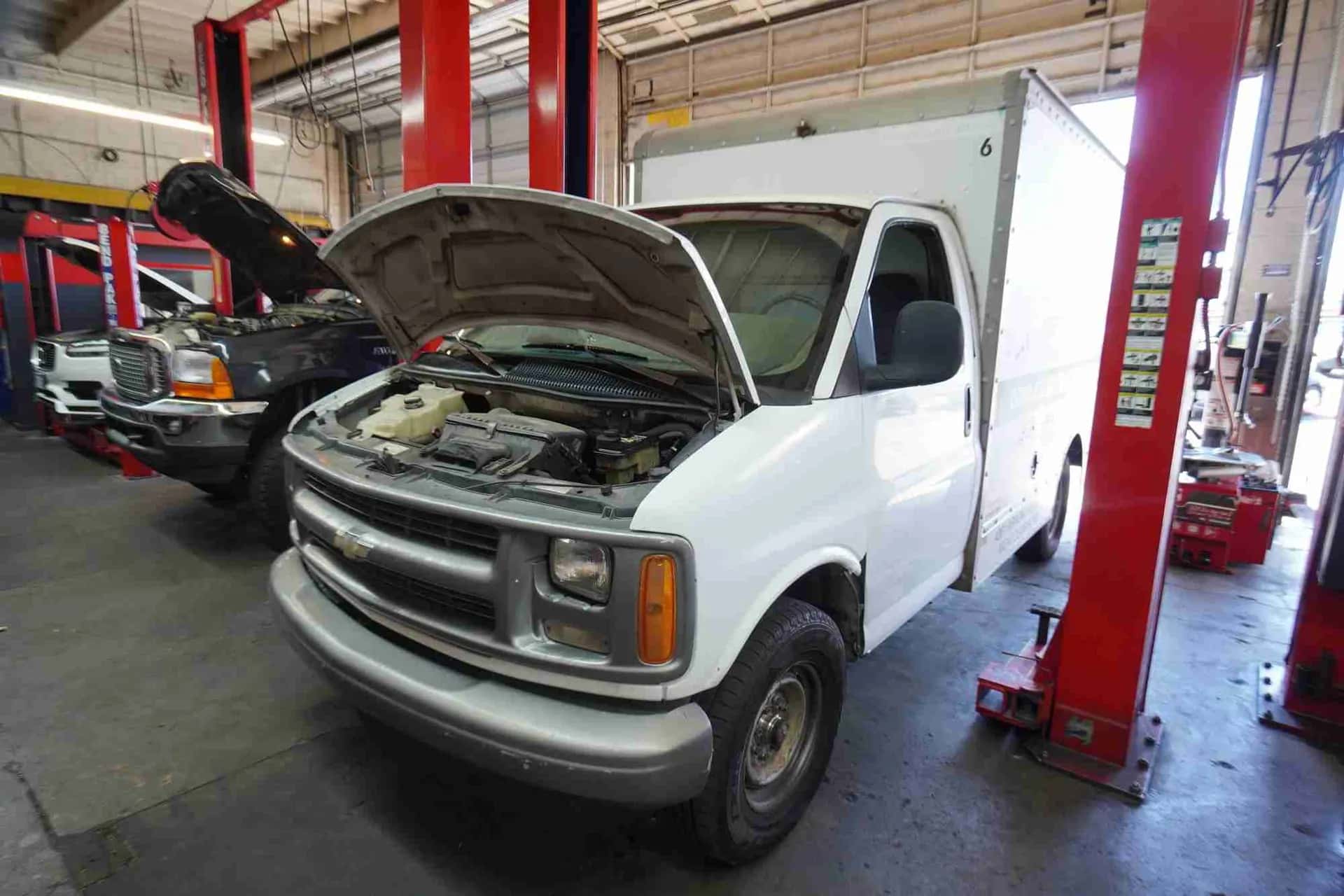
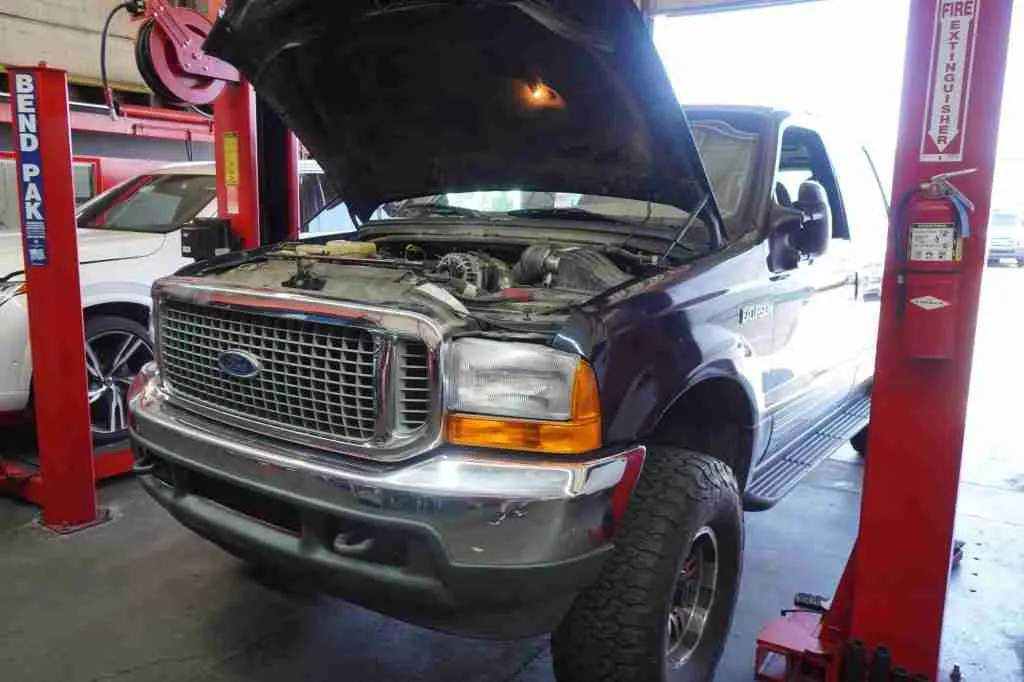
Diesel fuel system bleeding removes trapped air from the filters, lines and pump so the engine can build injection pressure again. Route 66 Auto Repair in Upland handles it for diesel pickups and vans that quit after running dry or after a filter change. We accept tow-ins, bleed the system the way the manufacturer lays out, then find the loose fitting that let air in.
When does a diesel need its fuel system bled?
- The tank ran dry on the freeway and the engine will crank but not fire
- A fuel filter was changed at home and the truck now stalls or will not start
- A fuel line, injector line or pump was disconnected for another repair
- Foamy fuel visible in a clear filter bowl or water separator
Why does a little air stop a diesel?
Diesel injection depends on fuel that cannot be compressed. Air can. A bubble in the high-pressure side lets the pump spin without building the pressure the injectors need, so the engine cranks and nothing happens.
Many newer trucks have an electric lift pump that primes itself when you cycle the key. Older ones use a hand primer or bleed screws. Long cranking to force air out is hard on the starter and batteries, so we bleed it in the right order instead.
Our diesel fuel bleeding process
Step 1: Confirm it is air
We check fuel level, filter condition and supply pressure so we are not bleeding a system that has a failed pump.
Step 2: Bleed in order
Air is purged from the tank side forward: separator, filters, pump, then the injector side if the procedure calls for it.
Step 3: Start and stabilize
The engine is started and held at idle until it runs smooth with no misses.
Step 4: Hunt the entry point
Fittings, filter seals and suction lines are inspected, because air gets in where fuel may not leak out.
What's included in diesel fuel system bleeding
Included on the work order
- 01Fuel level and supply pressure check
- 02Water separator drain and inspection
- 03Bleeding per the manufacturer procedure
- 04Idle and rev check for misses
- 05Inspection of suction-side fittings and filter seals
Is it a need-now or need-later repair?
Need now: call
- No-start or stalling in traffic
- Air returning after every bleed, which points to a suction leak
Need later: book
- A filter that is due soon but the truck runs clean
- A weeping filter housing seal with no air symptoms yet
How pricing and timing work
A straight bleed on a self-priming truck is quick. Systems with bleed screws at each stage take longer, and a truck that keeps pulling air needs diagnosis time. We state the diagnostic fee at the counter before testing and write an estimate before any parts go in. If the bleed turns up a leaking line, see our diesel fuel system leak repair page.
Aftercare
Keep the tank above a quarter and watch the first few cold starts. A crank that gets longer each day means air is still getting in, so bring it back. Fresh diesel fuel filter replacement seals are the first thing we recheck.
Frequently asked questions
Is bleeding the same as priming?
They overlap. Priming fills the system with fuel; bleeding pushes out the air. On many trucks one procedure does both. Our diesel fuel system priming page covers the priming side and when a lift pump is the real issue.
Can I bleed my diesel myself?
On some trucks, yes, using the owner's manual steps. If it still will not start after two tries, stop cranking. A hot starter and dead batteries turn a simple job into a bigger one.
Could running out of fuel damage my injection pump?
It can. Diesel fuel lubricates the pump, and running dry can score it. We check pump output while bleeding and tell you if anything looks wrong, with details on the diesel fuel pump repair page.