
On this page
Route 66 Auto Repair in Upland offers a vehicle safety inspection for the moments before a real drive: a trip over the Cajon Pass, a move with a loaded trailer, or a summer run to the desert. ASE-certified technicians check the systems that fail under heat and load, including brakes, tires, wheel bearings, driveshaft, belts, fluids and lights. You get a written list of what is ready, what needs attention before you leave, and what can wait until you are back.
When is a pre-trip safety inspection worth it?
- Before a desert or mountain drive in summer heat
- Before towing a trailer, boat or U-Haul equipment
- After buying a used car, before its first long drive
- Before a work van or truck goes on a long route
What fails on long, hot drives?
Long climbs load the cooling system and the transmission. Long descents load the brakes. Freeway speed in triple-digit heat is hard on tires that are underinflated or old, even when the tread looks fine. A wheel bearing that hums around town can overheat at sustained speed, and a dry U-joint can let go under a trailer load.
This inspection focuses on those failure points. For a full written report of every system on the vehicle, see the vehicle safety inspection report in our diagnostics section. If you are buying a car, the pre-purchase vehicle inspection is the right choice.
Our pre-trip inspection process
Step 1: Ask about the trip
The service writer notes where you are going, the load, and whether you will tow.
Step 2: Road test
A technician drives the car and listens for bearing hum, driveline vibration and brake pulsation.
Step 3: Lift check
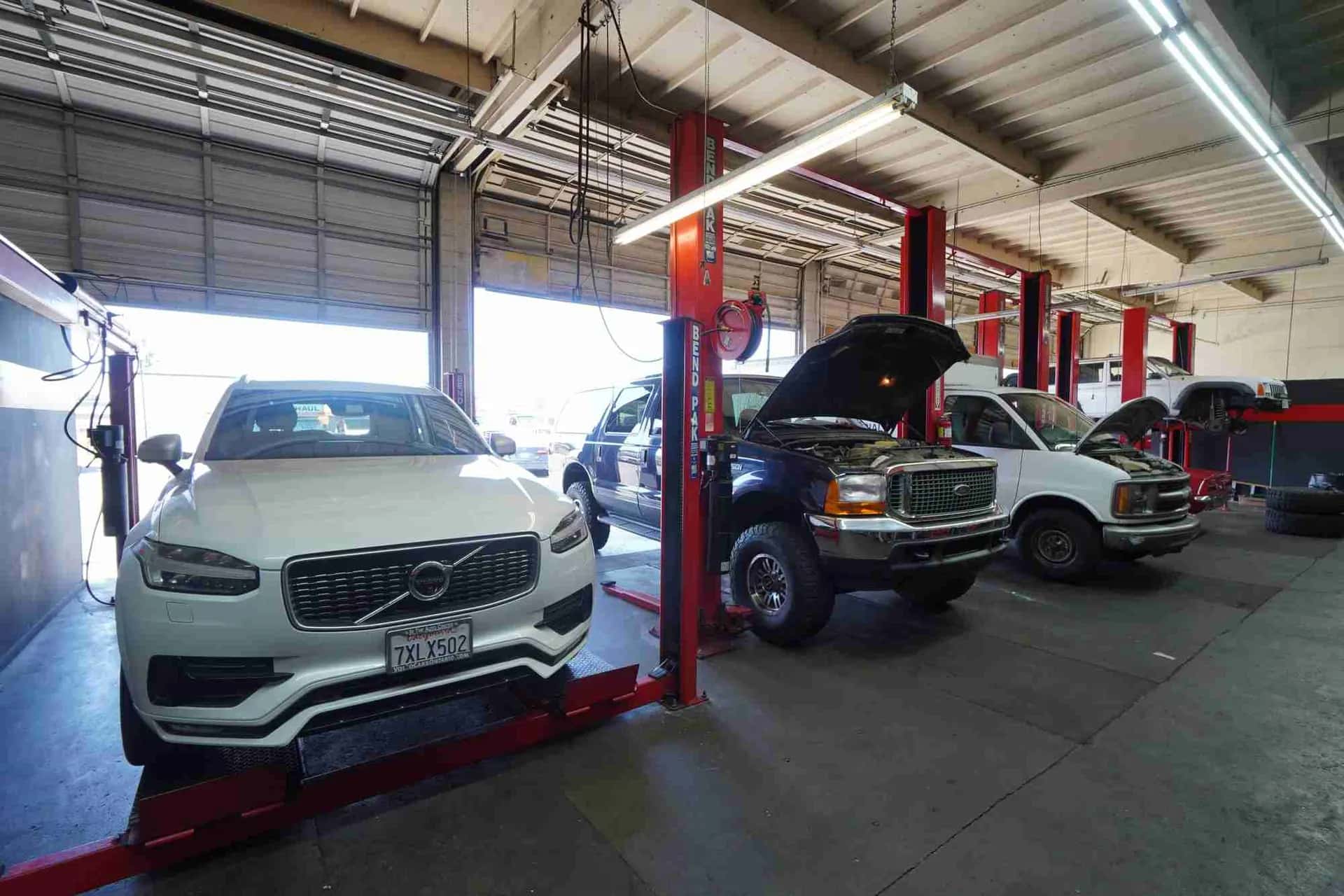
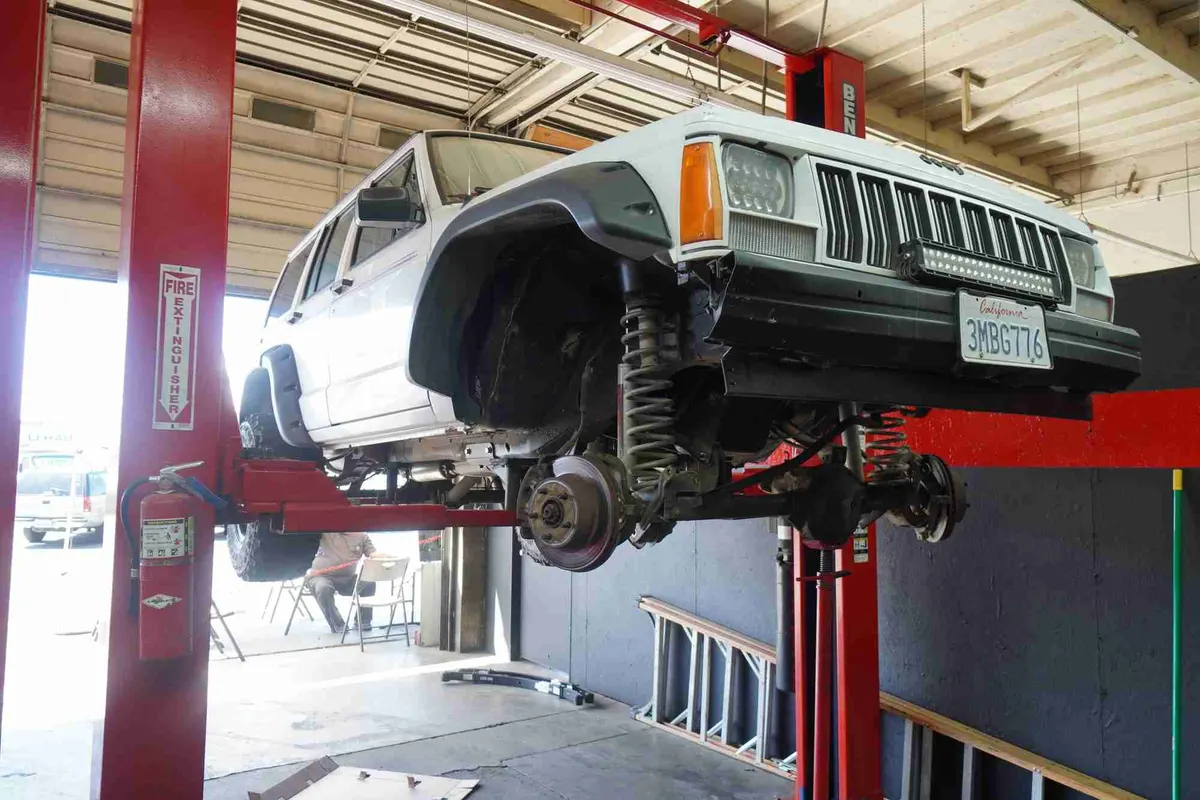
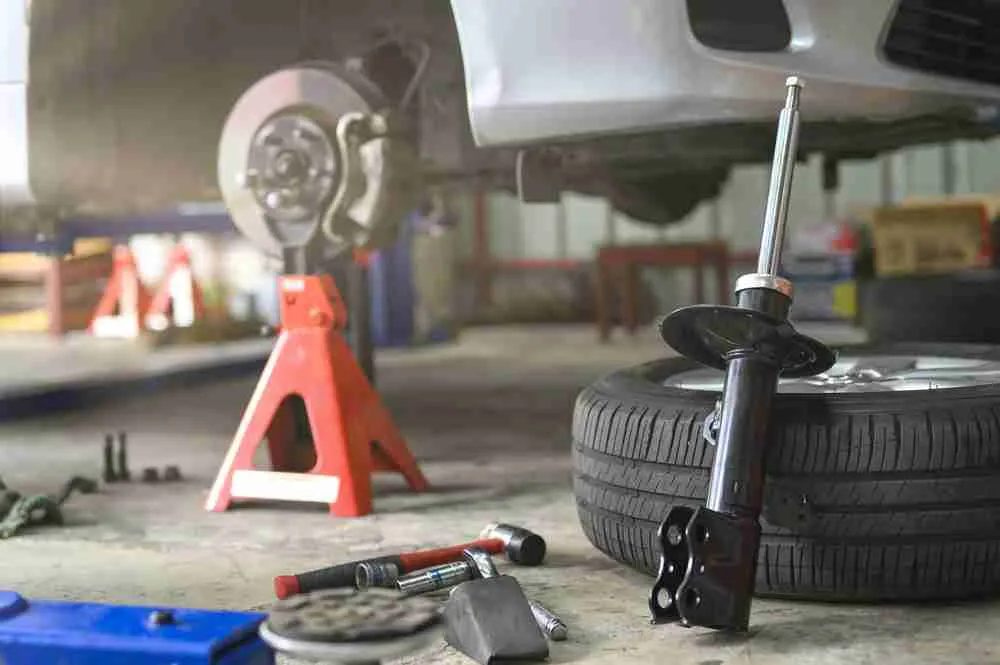
We check brakes, tires, including date codes, bearings, the driveshaft, CV boots, suspension and leaks.
Step 4: Under the hood
We check belts, hoses, the battery, fluid levels and the cooling system for obvious weak points.
Step 5: Written list
You get each item marked ready, fix before leaving, or can wait, with photos when the part is the point.
What's included in a pre-trip safety inspection
Included on the work order
- 01Road test for noise, vibration and braking
- 02Brake pad, rotor and hose check
- 03Tire tread, pressure, age and sidewall check, including the spare
- 04Wheel bearing and driveshaft play check
- 05Belt, hose, battery and fluid level check
- 06Lights, wipers and horn check
- 07Written ready-or-not list with need-now and need-later lines
Which findings are need-now?
Need now: call
- Brakes at or near minimum thickness before a mountain drive
- Tires with cords showing, bulges or cracked sidewalls
- Bearing play, a loose driveshaft or a cracked belt
- Coolant leaks or a weak radiator cap before desert heat
Need later: book
- Filters due soon
- Minor seepage with levels still full
How pricing and timing work
On the road after your inspection
Check tire pressure cold on the morning you leave, and watch the temperature gauge on long climbs. If you are towing U-Haul equipment, our free towing inspection checks the hookup itself. Keep your written list; declined items stay on the repair order so we can follow up when you are home.
Frequently asked questions
Is this a state inspection?
No. It is a shop inspection that tells you whether your vehicle is ready for the trip you described. It is not a government certificate and does not replace any required program for your vehicle.
How far ahead should I book before a trip?
A few days ahead is best. That leaves time to order parts if we find a need-now item. If you are short on time, call first and we will tell you honestly what the board can hold.
Does this cover my tow vehicle for a U-Haul trailer?
Yes. This paid inspection covers your own vehicle's brakes, tires, cooling and transmission. The free towing inspection is separate and checks the hookup: coupler and ball size, the pin, crossed safety chains, lights, and tongue weight against U-Haul requirements.