
On this page
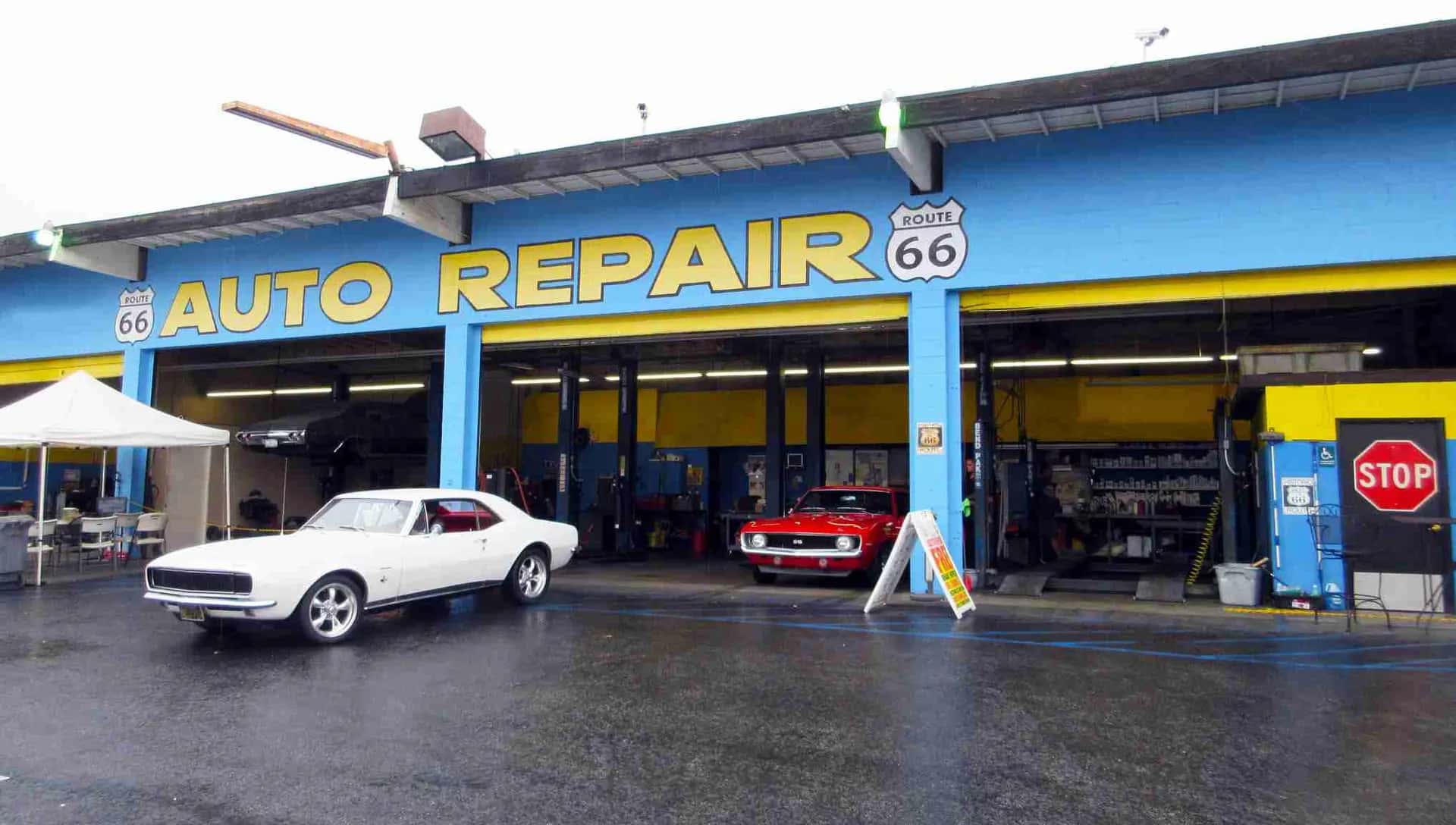
A clogged fuel filter starves the engine when it needs the most fuel, like pulling a loaded car up the 210 toward Glendora. Route 66 Auto Repair in Upland tests fuel pressure and volume first, because a weak pump feels the same. We also tell you where your filter sits. Some are inline under the car, and many newer ones live inside the tank with the pump. The quote is written before work starts.
What does a clogged fuel filter feel like?
- Stumbling or bucking when you accelerate hard or climb
- Engine that starts, then dies after a few seconds
- Power that fades at freeway speed and returns when you lift
- Lean codes on the check engine light
- A pump that sounds louder than it used to
Where is the fuel filter on your vehicle?
Older cars and many trucks carry an inline filter on the frame rail or near the engine. Those are a routine service item. Many newer cars moved the filter inside the tank as part of the pump module, and the maker lists no change interval. On those, a filter change often means dropping or opening the tank, which our fuel pump replacement page describes.
Diesels use a different filter setup with water separation. See diesel fuel filter replacement for that job.
Our fuel filter replacement process
Step 1: Test pressure and volume
We connect a gauge and measure pressure at idle and under load, and on some systems we measure flow volume.
Step 2: Relieve pressure safely
The system is depressurized before any line is opened, with the battery handled per the service procedure.
Step 3: Replace and inspect
The new filter goes in facing the right direction, and we check the old one for rust, water or debris.
Step 4: Leak check and road test
We prime the system, check every fitting for leaks, and road test under load.
What's included in fuel filter replacement
Included on the work order
- 01Fuel pressure test before and after
- 02New fuel filter matched to your vehicle
- 03Fitting and clip inspection
- 04Check of the old filter for contamination
- 05Leak check with the system pressurized
- 06Road test under load
Need-now or need-later?
Need now: call
- Stalling or loss of power on the freeway
- Any raw fuel smell or wet fitting
Need later: book
- An inline filter past its listed interval with no symptoms
- Slightly low pressure that still meets spec
How pricing and timing work
Aftercare
The first start may take an extra second while the system fills. If the old filter was full of rust or water, the tank itself may need attention, and our fuel tank service page explains the next step. Buying fuel from busy stations helps keep contamination down.
Frequently asked questions
How often should a fuel filter be changed?
Follow your owner's manual for inline filters. For in-tank filters with no interval, we change them when testing shows low pressure or flow, not on a guess. We check fuel delivery during fuel system inspections.
Can a clogged fuel filter damage the fuel pump?
Yes. A pump pushing against a blocked filter works harder and runs hotter, which shortens its life. That is one reason we test before replacing either part.
Is a fuel filter the same as a fuel injector cleaning?
No. The filter catches debris before it reaches the injectors. Injector cleaning removes deposits that already formed on the injector tips. Both can help drivability, but they fix different problems.