
On this page
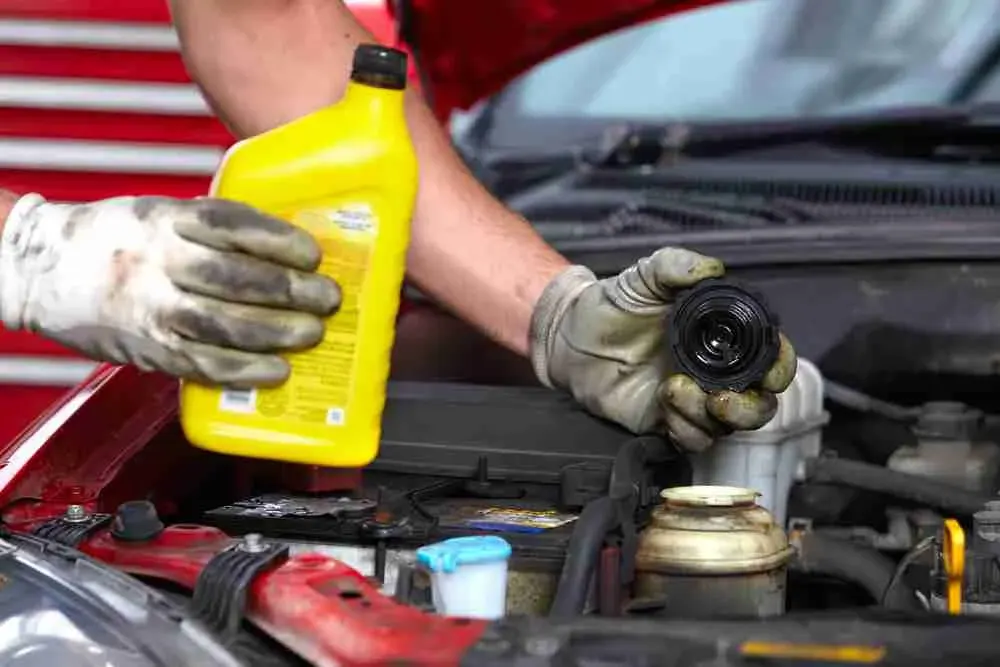
Engine oil analysis at Route 66 Auto Repair in Upland means drawing a clean sample of your used oil during a change and sending it to an oil testing lab. The report lists wear metals, dirt, coolant markers, fuel dilution and how much the oil has thinned. It is a useful second opinion on an engine you cannot see inside, especially for fleets, high-mileage vehicles and owners with a nagging question.
What can an oil analysis show?
- Wear metals such as iron, aluminum, copper and lead, which hint at which parts are wearing
- Silicon, which usually means dirt is getting past the air filter
- Sodium and potassium, common markers of coolant in the oil
- Fuel dilution from short trips or an injector fault
- Viscosity change, showing whether the oil thinned or thickened
- Remaining additive levels compared with new oil
What can oil analysis not tell you?
It cannot see a crack, measure a bearing clearance or promise an engine will not fail. One sample is a snapshot. The real value comes from a trend across several changes, where a sudden jump in one metal stands out. We treat a report as one piece of evidence next to a pressure test, a scan and what the engine sounds like.
It also helps to know how forgiving the published limits are. A lab reports wear metals in parts per million, where a trend matters far more than any single figure, and several vehicle makers publish oil consumption allowances as generous as a quart every 1,000 to 2,000 miles before they consider consumption abnormal. A driver adding oil between changes is often inside the maker's own limit. We compare your report with the figures your vehicle maker publishes rather than with a general rule.
Who benefits from an oil analysis?
Fleet owners use it to set drain intervals by data instead of habit and to catch a failing unit early. Owners of high-mileage engines and tow vehicles use it to see whether the engine is holding up after years of summer grades on the 15.
It is also a sensible follow-up when the drain oil looked odd during an oil change, such as a sweet smell or a milky tint. If coolant markers show up, the usual next step is a cooling system pressure test through our diagnostics and inspections team.
How the oil sample is handled
Step 1: Plan the sample
We record the miles on the oil and the oil type so the lab compares against the right baseline.
Step 2: Draw mid-stream
The sample is caught from the middle of the drain flow in a clean bottle so it reflects the whole sump.
Step 3: Label and send
Vehicle, engine and oil details go on the form, and the sample goes to the lab.
Step 4: Read the report
When results return, we walk through each flag with you and suggest what, if anything, to test next.
What's included in an oil analysis
Included on the work order
- 01Clean sample kit and a mid-drain sample
- 02Mileage and oil details recorded for the lab
- 03Lab report covering metals, contaminants and viscosity
- 04Plain-language explanation of each flag
- 05Recommendation for follow-up tests, if any
Which report flags need action now?
Need now: call
- Coolant markers along with a falling coolant level
- A sharp rise in bearing metals together with a new noise
Need later: book
- Moderate fuel dilution from short-trip driving
- Silicon that suggests an air filter or intake check
How pricing and timing work
Frequently asked questions
Is oil analysis worth it on a regular commuter?
For most commuters with no symptoms, regular changes and inspections are enough. Analysis earns its cost when you want a trend on a high-mileage engine or a fleet unit, or when something about the oil looked wrong.
Can the report tell me which part is failing?
It can point in a direction, such as bearing metals versus piston metals, but it cannot name a part by itself. We combine it with hands-on testing before recommending any repair.
How many samples should I take?
One gives you a baseline. Two or three at regular intervals show a trend, which is where the report becomes most useful. Taking each sample at a similar mileage on the oil keeps the comparison fair.