
On this page
A high-mileage oil change at Route 66 Auto Repair in Upland uses oil made for older engines, with seal conditioners and extra detergent. We pair it with a close leak inspection and a written note of your oil level at drop-off, so over time we can tell you whether the engine is using oil and how fast. It helps many aging engines, and we are honest about where it stops helping.
What does high-mileage oil actually do?
High-mileage oils add seal conditioners that help rubber seals stay soft and swell slightly, which can slow minor seepage at the crankshaft and valve stem seals. Many carry extra detergent and anti-wear additives, and some run a little thicker within the same grade. That can quiet a lifter or cut the brief blue haze at startup on a tired engine.
They cannot rebuild a torn gasket, reseal a cracked pan or fix worn piston rings. If oil is dripping, it needs a repair, starting with finding the leak. If oil is disappearing with no drip, the engine may be burning it, and that is a separate conversation.
How do we track oil use on an older engine?
At check-in we read the dipstick before draining. If the level is low, we write down how low. At the next visit we compare. Across two or three intervals, that record tells you in plain terms whether consumption is steady, climbing or not really there. For commuters who have put years of miles on the 10 and the 210, that record often says more than any single inspection. Pair it with an engine oil analysis if you want to see wear metals too.
Signs your engine may want high-mileage oil
- A light oil film on the pan or rear of the engine with no drip
- Adding oil between changes
- A brief tick at cold start that fades
- A puff of blue smoke after sitting overnight
- A car that sat for years and is back on the road
Our high-mileage oil change process
Step 1: Record the level
We read and write down the oil level before anything is drained.
Step 2: Drain and look
The oil drains warm while we note sludge, fuel smell or metal.
Step 3: Fill with the right grade
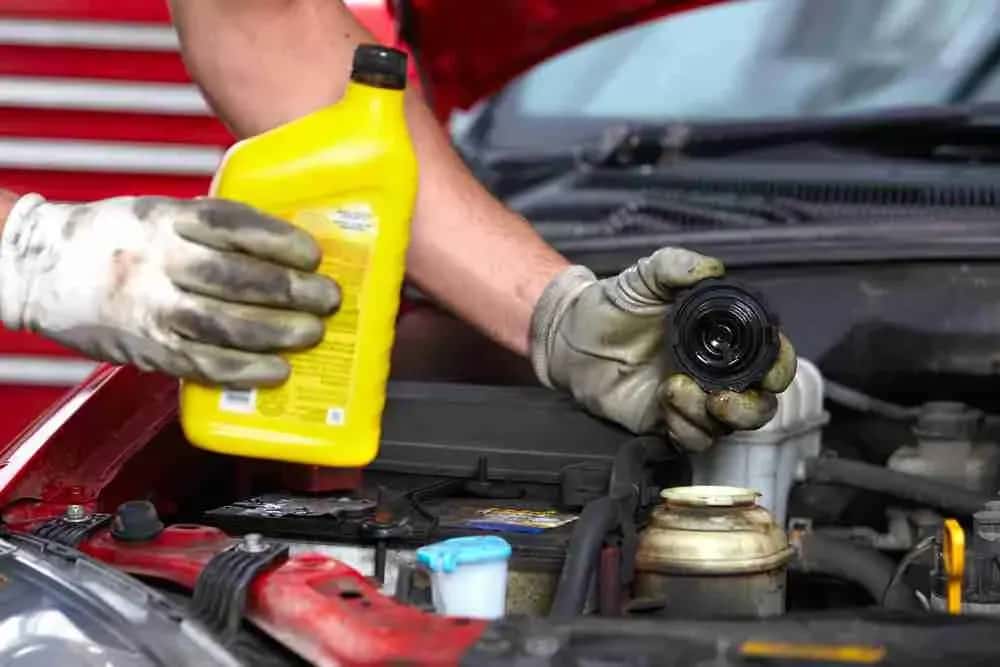
High-mileage oil in your manual's viscosity goes in with a new filter.
Step 4: Inspect the seals
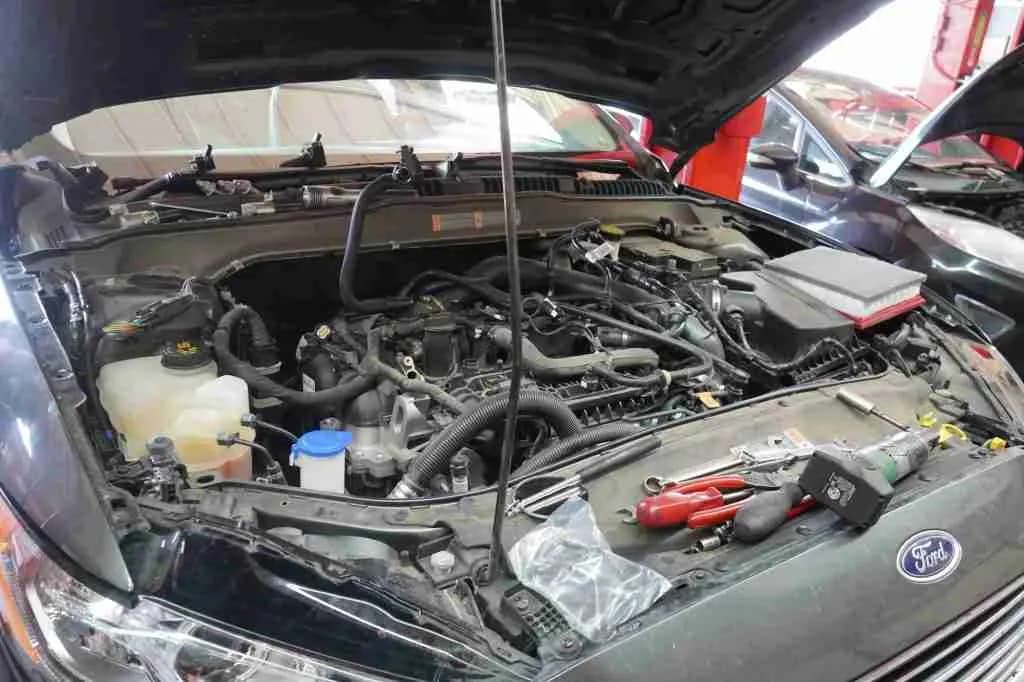
Pan edges, the rear main area, valve cover and timing cover are checked for fresh oil.
Step 5: Report the trend
You get the level record and findings in writing, with any leak marked need-now or need-later.
What's included
Included on the work order
- 01High-mileage oil in your manual's viscosity grade
- 02New oil filter
- 03Arrival oil level recorded on the repair order
- 04Seal and gasket leak inspection
- 05Drain plug thread and seal check
- 06Written trend note for the next visit
Which older-engine findings cannot wait?
Need now: call
- Oil dripping onto the exhaust or a belt
- An oil light that flickers at hot idle
- A level so low it no longer reaches the dipstick
Need later: book
- Dry seepage we will watch at the next change
- Oil use that is steady and modest
Pricing and timing
Frequently asked questions
At what mileage should I switch to high-mileage oil?
Most bottles name a mileage, but the engine's condition matters more than the odometer. If yours is dry and uses no oil, there is no rush. If it seeps or uses oil, the switch is worth trying.
Will high-mileage oil stop my oil leak?
It can slow a light seep from a hardened seal. It will not stop a drip from a failed gasket, a loose pan bolt or a damaged drain plug. We show you where the oil is coming from before you spend money either way.
Is it safe for an engine that requires synthetic?
Only if the high-mileage oil carries the same approval your manual requires. Many full synthetic high-mileage oils do. We check the label against the manual before using it. If the approval is missing, we use the required synthetic instead.